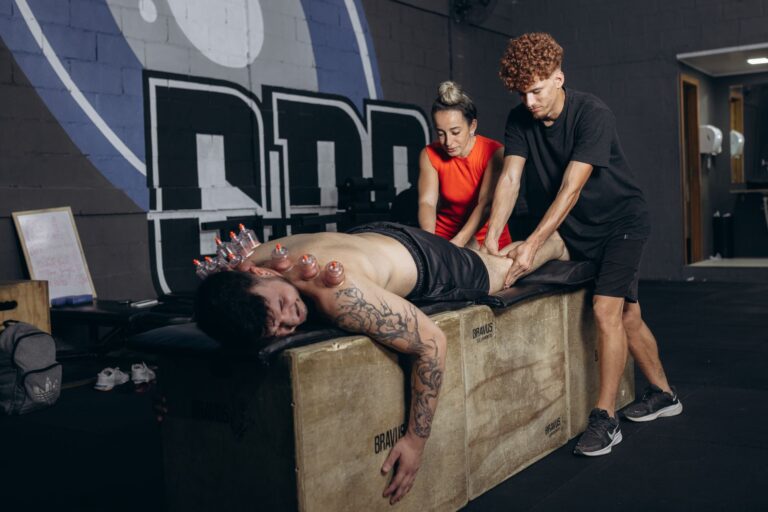
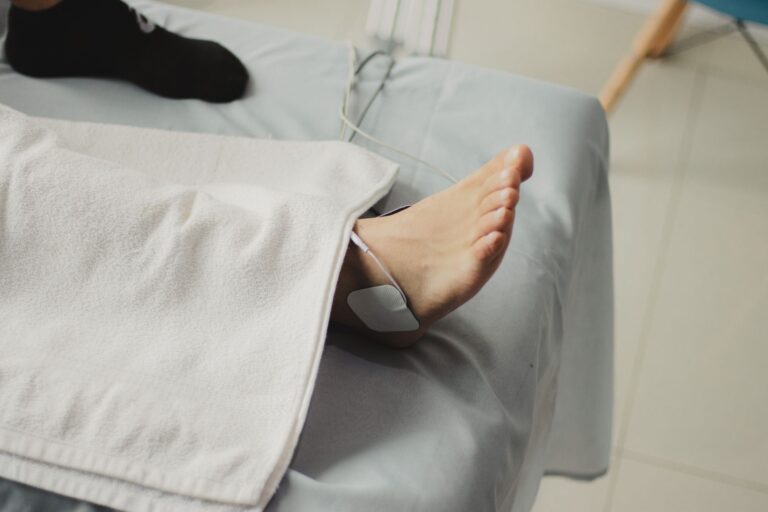
Whether you’re recovering from an intense rolling session, a tough workout, or an injury, you’ve probably heard someone at the gym swear by compression therapy. But does compression therapy actually work for recovery, or is it just another wellness trend? The short answer: yes, when used strategically, it can meaningfully accelerate your body’s ability to bounce back—especially for athletes and martial artists who push their bodies hard day after day.
Compression therapy works by applying controlled pressure to your muscles and tissues, which increases blood flow, reduces inflammation, and helps flush out metabolic waste that builds up during intense training. For Brazilian Jiu-Jitsu practitioners, this matters more than most: BJJ demands explosive power, deep stretches, and repeated stress on joints and soft tissue. Recovery isn’t optional—it’s what separates practitioners who stay healthy and improve from those who burn out or get sidelined by injury.
At Trein Club in Houston, compression therapy is part of our intentional approach to recovery, sitting alongside infrared sauna, cold plunge contrast therapy, and massage. We treat recovery as equal to training itself because that’s when your body actually adapts and grows stronger.
Does Compression Therapy Actually Work for Recovery? The Short Answer
Yes — compression therapy works, though not in the miraculous way marketing sometimes implies. Evidence points to meaningful reductions in perceived soreness, a quicker return of muscle strength and power after hard sessions, and athletes feeling fresher between training days. Where it disappoints is in dramatically shifting inflammatory biomarkers or standing in for the fundamentals of sleep, nutrition, and mobility work. For a Brazilian Jiu-Jitsu athlete rolling four to six times a week, a runner piling on mileage, or a busy professional squeezing in strength sessions after work, compression is a legitimate tool — worth using strategically, not blindly. This guide breaks down how it actually works, what the science supports, who benefits most, and how to combine it with other modalities for real returns.
What Is Compression Therapy? (Types Explained)
Compression therapy is the application of controlled external pressure to the limbs — usually the legs, sometimes the arms — to influence blood flow, lymphatic drainage, and muscle mechanics. In the athletic and medical world it shows up in three broad forms, and understanding the differences matters because the science, cost, and use cases are not interchangeable.
Static Compression Garments (Sleeves, Socks, Tights)
Static garments are the entry point: calf sleeves, knee-high socks, full tights, and arm sleeves woven from elastic fabrics that apply constant graduated pressure. “Graduated” means the pressure peaks at the ankle and tapers as it moves up the leg, encouraging venous return toward the heart. Athletes wear them during training, on long flights, or in the hours after a hard session. They’re affordable, portable, and easy to layer into a routine — the trade-off being that the pressure they generate is modest and unchanging.
Pneumatic Compression Devices (Compression Boots like NormaTec)
Pneumatic compression uses inflatable sleeves connected to a pump that sequentially fills and releases chambers along the limb. Brands like NormaTec, Hyperice, and Therabody’s RecoveryAir dominate the athletic market. The pressure is dynamic — it pulses, moves distal-to-proximal, and can be tuned from gentle to intense. This mimics the natural muscle pump and produces a stronger physiological effect than static garments in a shorter window, typically 20 to 45 minutes per session.
Medical-Grade vs. Athletic Compression: Key Differences
Medical-grade compression is prescribed for conditions like deep vein thrombosis prevention, chronic venous insufficiency, lymphedema, and post-surgical swelling. It’s precisely calibrated in mmHg (millimeters of mercury), fitted by clinicians, and often reimbursed by insurance. Athletic compression is looser in specification, marketed for performance and recovery, and generally applies lower pressures (15–25 mmHg for garments, variable for pneumatic devices). Both rely on the same underlying principles, but the goals, pressures, and regulatory oversight differ significantly.
The Science Behind How Compression Therapy Works
Improving Blood Flow and Venous Return
External pressure narrows the diameter of superficial veins, which increases the velocity of blood moving back to the heart. Better venous return means used blood — carrying metabolic byproducts like lactate and hydrogen ions — clears faster from working muscle, while fresh, oxygenated blood arrives more efficiently. This is the mechanism most often cited in marketing, and it’s real, though its magnitude in healthy athletes is smaller than in patients with venous dysfunction.
Reducing Muscle Oscillation and Micro-Damage During Exercise
When you land a jump, sprint, or absorb a hard takedown, soft tissue oscillates — the muscle wobbles microscopically on impact. Repeated across thousands of foot strikes or rounds, that oscillation contributes to micro-damage and delayed soreness. Compression garments worn during activity dampen this movement, and studies in runners and jumpers suggest the effect translates to lower muscle damage markers and faster performance recovery over the following 24 to 72 hours.
Accelerating Lymphatic Drainage and Reducing Swelling
The lymphatic system has no pump of its own; it relies on muscle contraction and external pressure to move fluid. Pneumatic compression, in particular, mechanically drives lymph through its channels, easing interstitial swelling after intense training or injury. That’s why compression is a first-line tool in post-surgical care and lymphedema management — the same mechanism helps athletes flush swollen legs after long runs or leg-heavy strength days.
Lowering Perceived Muscle Soreness (DOMS)
One of the most consistent findings in the literature is that compression reduces the subjective experience of soreness. Whether that stems from genuine reductions in inflammation, altered pain signaling, or a placebo-adjacent perceptual effect, athletes who use it consistently report feeling less beat up. In a sport like BJJ, where soreness accumulates over weeks, feeling less sore translates into showing up more often — which, ultimately, is what drives adaptation.
What the Research Actually Shows: Benefits Backed by Evidence
Muscle Strength and Power Recovery After Exercise
Multiple meta-analyses have found that compression garments worn after resistance training or eccentric exercise accelerate the recovery of maximal strength and power output. Effect sizes are small to moderate — think 5 to 10 percent better performance at 24 and 48 hours post-exercise compared to no compression — but for athletes stacking sessions, that margin is meaningful.
Reduction in Delayed Onset Muscle Soreness (DOMS)
DOMS reduction is the most robust finding across studies. Both static garments worn for 12 to 24 hours post-exercise and pneumatic boot sessions of 20 to 30 minutes reliably lower soreness scores compared to passive recovery. The pattern holds across running, strength training, and combat sport protocols.
Performance Maintenance Between Training Sessions
When workouts are stacked closely — two-a-days, tournament weekends, training camps — compression appears to help athletes maintain output in the second session. That’s where practical value is highest: it doesn’t necessarily make you stronger overall, but it protects the quality of the next effort.
Where the Evidence Is Weak or Inconclusive
The picture is less impressive for direct markers of inflammation like creatine kinase and C-reactive protein, where results are mixed. Endurance performance gains during activity from wearing compression are also inconsistent, and claims about faster fat loss, detoxification, or cellulite reduction have no real backing. Compression is a recovery tool, not a metabolic intervention.
Compression Boots (Pneumatic Compression): Do They Work Better Than Garments?
How NormaTec and Similar Devices Differ from Static Compression
Static garments apply a passive, unchanging pressure over hours. Pneumatic boots apply active, pulsing pressure over minutes. The dynamic sequence — inflating at the foot, moving up through the calf, thigh, and hip — physically pushes fluid proximally in a way a sleeve cannot. Higher peak pressures, active pulsing, and directional flow give pneumatic devices a mechanical edge, at the cost of price and portability.
What Studies Say About Pneumatic Compression for Athletes
Research on pneumatic compression points to improvements in flexibility, reduced muscle stiffness, faster clearance of blood lactate, and lower soreness after intense exercise. Effects on raw performance recovery are similar in magnitude to good static garments — modest but real. The advantage is time efficiency: a single 30-minute boot session appears to deliver benefits comparable to wearing tights for many hours.
Real-World Athlete Experiences vs. Lab Results
Ask any competitive Jiu-Jitsu player, marathoner, or CrossFit athlete who has used boots regularly, and the subjective feedback tends to be stronger than lab data suggests. Legs feel lighter, sleep after a session improves, and the next day’s session feels more accessible. Part of that is real physiology; part is the ritual of sitting still for 30 minutes with no phone demands. Both matter. At Trein Club’s recovery lounge, members often pair a boot session with breathwork or a post-training coffee at Caffe & Trein, turning recovery into a habit rather than an afterthought.
Who Benefits Most from Compression Therapy?
Endurance Athletes (Runners, Cyclists, Triathletes)
High-volume aerobic athletes benefit heavily because their sport produces significant lower-limb fatigue, swelling, and micro-damage. Compression tights during long flights before races, boots after long runs, and calf sleeves on recovery days are all high-value uses.
Strength and Power Athletes
Lifters, jumpers, and combat athletes who train explosively benefit from the DOMS reduction and strength recovery effects. For BJJ competitors preparing for tournaments, compression can help sustain training density in the final weeks of a camp when accumulated fatigue is at its highest.
Post-Surgery and Medical Recovery Patients
This is where compression’s evidence is strongest. Post-op patients use it to prevent blood clots and reduce swelling. Rehab from ACL surgery, meniscus repair, or joint replacement almost always includes some form of compression protocol.
People with Chronic Venous Insufficiency or Lymphedema
For individuals with venous insufficiency, varicose veins, or lymphedema, medical-grade compression isn’t optional — it’s foundational treatment that improves quality of life and prevents progression.
How to Use Compression Therapy Effectively
Best Timing: During Exercise, Immediately After, or Hours Later?
For DOMS reduction, pulling static garments on right after exercise and keeping them on for several hours (or overnight) shows the best results. For pneumatic boots, sessions within an hour or two of training appear most effective, though sessions the following morning still deliver benefits. During-exercise compression is more useful for high-impact activities like running than for grappling or lifting.
Recommended Duration and Pressure Levels
Static garments should feel snug but never numbing — 15–25 mmHg is typical for athletic recovery. Pneumatic boot sessions of 20 to 45 minutes at moderate pressure (roughly 60–80 mmHg peak, depending on tolerance) hit the sweet spot. Longer is not necessarily better; going past 60 minutes rarely adds benefit and can leave the limb feeling stiff.
Combining Compression with Other Recovery Modalities (Ice, Elevation, Sleep)
Compression stacks well with other tools. Pairing it with contrast therapy using sauna and cold plunge gives you thermal and mechanical recovery in a single session. Following boots with an infrared sauna session can extend the parasympathetic wind-down. Adding targeted mobility work keeps tissue quality high alongside circulatory recovery. And none of it substitutes for the two most powerful recovery levers of all: seven to nine hours of sleep and adequate protein intake.
Potential Risks and Who Should Avoid Compression Therapy
Compression is broadly safe, but it isn’t for everyone. People with deep vein thrombosis (DVT), severe peripheral artery disease, uncontrolled congestive heart failure, active skin infections, or open wounds on the limb should not use compression without medical clearance — pushing fluid or restricting flow in these conditions can cause serious harm. Diabetics with neuropathy should proceed carefully and monitor skin closely, since they may not feel pressure damage. Pregnant women should consult their provider before using pneumatic devices, though graduated maternity garments are generally recommended. And anyone experiencing numbness, sharp pain, or color changes during use should stop immediately and reassess the fit or pressure.
Compression Therapy vs. Other Recovery Methods: How Does It Stack Up?
Ranked honestly against other modalities, compression sits in the upper-middle tier of recovery tools. Sleep, nutrition, and load management dominate everything else — nothing replaces them. Below that, active recovery (light movement, walking, mobility flows) and consistent mobility training remain foundational for tissue quality and joint health. Cold plunge, sauna, and contrast therapy have strong evidence for perceived recovery and cardiovascular conditioning benefits. Compression garments and pneumatic boots compete favorably with massage for DOMS and strength recovery, often at lower cost per session over time. Ice baths on their own are increasingly controversial for strength athletes because they may blunt hypertrophy adaptations when used immediately after lifting — compression carries no such trade-off. Breathwork and mindfulness practices, whether during a boot session or in a dedicated yoga meditation practice, amplify the parasympathetic effect. The best recovery strategy isn’t one modality; it’s a stack built around consistent sleep, movement, and one or two active tools you’ll actually use.
Frequently Asked Questions
Does compression therapy actually speed up muscle recovery?
Yes, modestly. Studies consistently show a faster return of strength and power, reduced soreness, and better performance in subsequent sessions when compression is used after hard training. The magnitude is small to moderate — not transformational — but consistent enough to justify use for athletes training frequently.
How long should you wear compression boots after a workout?
Twenty to forty-five minutes per session is the standard range. Most research and manufacturer protocols land between 20 and 30 minutes at moderate pressure. Beyond an hour, additional benefit is minimal, and some users report stiffness or discomfort.
Are compression garments or compression boots more effective for recovery?
Pneumatic boots produce a stronger acute effect in less time thanks to their dynamic, higher-pressure action. Static garments deliver comparable benefits over longer wear windows and cost far less. For most people, garments for daily use plus occasional boot sessions after the hardest training days is the ideal combination.
Can you sleep in compression garments after exercise?
Yes, and it’s often recommended. Overnight compression (in the 15–20 mmHg range) is associated with reduced next-day soreness. Choose garments designed for this purpose — snug but not restrictive — and remove them if you experience numbness or discomfort during the night.
Is compression therapy worth the cost for recreational athletes?
Static garments almost certainly yes — a good pair of tights or sleeves costs $40 to $120 and lasts a year or more. Personal pneumatic boots ($700 to $1,500) make sense for high-volume trainers or those with recovery-limited schedules. For occasional users, access through a gym or wellness club is far more economical.
Does compression therapy help with inflammation or just soreness?
Primarily with perceived soreness and swelling. The evidence for direct reductions in inflammatory biomarkers is mixed. Compression moves fluid and dampens muscle oscillation — it doesn’t shut down the inflammatory cascade the way anti-inflammatory medications do, nor should it, since inflammation is part of adaptation.
Are NormaTec compression boots actually worth it?
For serious athletes, chronic-fatigue-limited trainers, or anyone who values the ritual of dedicated recovery time, yes. The mechanical effect is real, the subjective benefit is strong, and consistent use tends to translate into more training days per month. For someone training two or three times a week without soreness issues, a good pair of compression tights and better sleep habits will get you 80 percent of the way there at a fraction of the price.