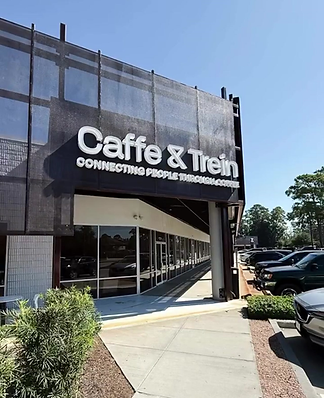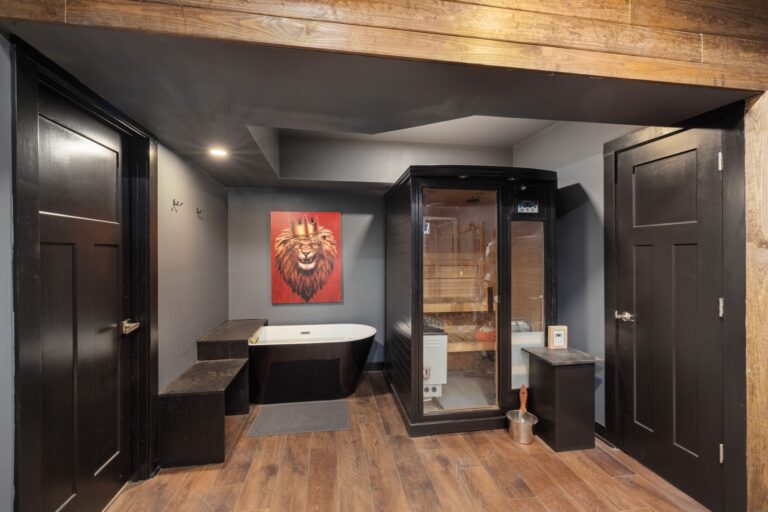
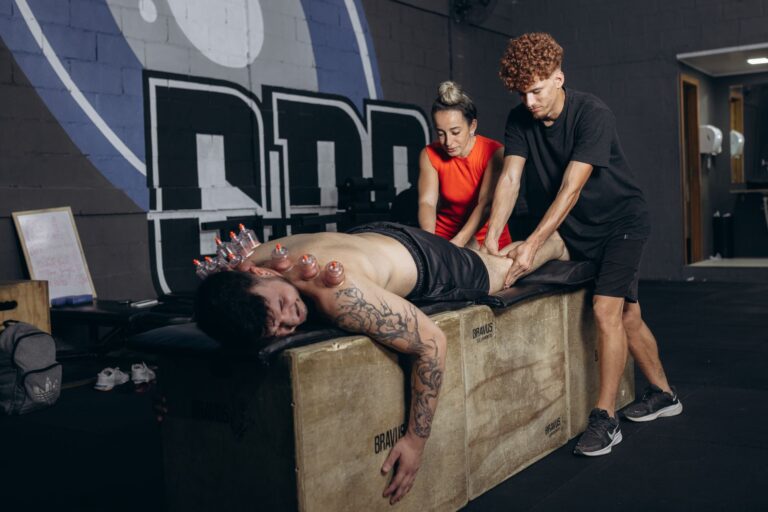
Finding the best recovery and wellness center in Houston for athletes means looking beyond traditional gyms that treat training and recovery as separate priorities. At Trein Club, located in Oak Forest just minutes from Downtown Houston and the Heights, these elements work together seamlessly—elite Brazilian Jiu-Jitsu instruction from a 4x World Champion sits alongside yoga, strength and conditioning, massage therapy, cold plunge, infrared sauna, and breathwork, all under one intentionally designed roof.
Whether you’re a serious competitor, a working professional seeking stress relief and community, or an athlete returning from injury, the 19,000-square-foot facility treats recovery and wellness with the same rigor as training itself. Founded in 2016 by Pedro Araujo and his team of accomplished coaches, Trein Club was built on a simple belief: a training space should be far more than a gym. It should be a place where your body heals, your mind sharpens, and you belong—exactly as you are.
The difference isn’t just in the equipment or the credentials; it’s in how the entire experience is orchestrated to keep you showing up, progressing, and feeling genuinely better.
What Makes the Best Recovery and Wellness Center in Houston for Athletes?
Houston has grown into one of the most competitive markets in the country for athletic recovery, with dozens of studios, clinics, and hybrid gyms promising to cut hours off your soreness and add years to your training career. The catch is that most of them look impressive on Instagram and feel underwhelming in practice. The best recovery and wellness center in Houston for athletes is not the one with the loudest branding or the trendiest ice bath — it is the one that treats recovery as a system rather than a service, and integrates it with training, coaching, and community under one roof.
For serious competitors — whether you roll in Brazilian Jiu-Jitsu, run marathons, lift heavy, or simply push your body hard four to six days per week — a genuine recovery facility should function like an extension of your training program. That means the modalities on offer (cold plunge, infrared sauna, compression, bodywork) need to be backed by protocols, staff who understand loading and adaptation, and a physical environment calm enough to actually trigger a parasympathetic response.
Key Criteria: What Every Elite Athlete Should Look for in a Houston Recovery Center
Before comparing facilities, define your criteria. The places worth your monthly membership check the following boxes:
- Modality depth: at minimum, contrast therapy (cold plunge and sauna), compression, and hands-on bodywork available in the same visit.
- Coaching and context: staff who can explain why and when to use each modality relative to your training block, not just sell sessions.
- Integration with training: a facility that also programs strength, mobility, and skill work — so recovery is not a disconnected errand.
- Environment: clean, quiet, well-lit, and free of the ego-heavy energy that dominates many Houston gyms.
- Consistency: proximity to home or work matters more than any single fancy machine. Recovery only works if you actually show up.
That last point is where most athletes miscalculate. A world-class cryo chamber twenty-five minutes across the loop will lose to a solid cold plunge five minutes away, every single week.
Evidence-Based vs. Trend-Based Recovery: How to Tell the Difference
Recovery is a magnet for pseudoscience. Evidence-based modalities — cold water immersion, heat exposure, sleep optimization, sports massage, compression, and photobiomodulation — have peer-reviewed literature supporting specific use cases. Trend-based add-ons (charged crystals, unregulated peptide “protocols,” aggressive marketing around ozone) do not.
A trustworthy Houston facility will talk about dose (temperature, duration, frequency), timing relative to hard sessions, and realistic outcomes. If a staff member cannot tell you when not to cold plunge — for example, immediately after a hypertrophy-focused lift when you want the inflammatory signal for growth — that is a red flag.
Top Recovery and Wellness Centers in Houston for Athletes (Ranked and Reviewed)
Houston’s recovery landscape stretches from clinical sports performance labs to boutique lounges to full hybrid clubs. The right fit depends on how much you want recovery woven into your actual training.
Athlete Training and Health (ATH): Comprehensive Sports Performance and Recovery
ATH runs multiple Houston-area locations and is built around a sports performance model borrowed from collegiate and professional programs. Its strength lies in structured periodization, return-to-play testing, and coaches who treat recovery as part of the training stimulus rather than a spa add-on. Ideal for competitive athletes rehabbing from injury or preparing for a peaking cycle.
Restore Hyper Wellness Houston: Full-Spectrum Recovery Services for Active Individuals
Restore is the national chain most Houston athletes have tried at least once. Locations across the metro offer cryotherapy, IV drips, red light, compression, and infrared. It is convenient and consistent, though the experience is transactional — you book a modality, you leave. Best used as a supplement, not a home base.
CORE Wellness Lounge: Connection-Centered Recovery for Houston Athletes
CORE positions itself as a community-driven recovery space with contrast therapy, breathwork sessions, and guided practices. The vibe is calmer and more intentional than the chain models, which matters for athletes whose nervous systems are already fried from work and training.
MK Wellness Spa (Cypress, TX): Biohacking and Athletic Recovery Near Houston
For athletes on the northwest side, MK Wellness stacks hyperbaric, red light, infrared, and IV therapy in a single location. The biohacking framing appeals to data-driven trainees who like to track HRV and sleep against interventions.
Villa Sport The Woodlands: Luxury Fitness and Recovery Under One Roof
Villa Sport blends a traditional country-club fitness model with spa-grade recovery — saunas, cold pools, hydrotherapy, and massage. If you want your family club and your recovery membership to be the same thing and you live north, it is a strong package.
The Met Athletic Club Houston: Premier Health, Fitness, and Recovery Amenities
The Met has been a Houston fixture for decades. Extensive amenities, recovery pools, and on-site physical therapy make it a legitimate all-in-one option, particularly for older athletes prioritizing longevity and joint health.
ClassPass-Listed Sports Recovery Studios in Houston: Best On-Demand Options
If you travel often or don’t want to commit to a single membership, ClassPass unlocks single sessions at multiple Houston recovery studios, including compression, infrared, and float rooms. Useful for sampling before choosing a home base.
Worth flagging for athletes searching for a genuinely integrated model: Trein Club, a 19,000-square-foot facility in Oak Forest, brings together championship-led Brazilian Jiu-Jitsu, striking, yoga, strength and conditioning, and a full recovery lounge — cold plunge, infrared sauna, compression, massage, and breathwork — in one space, plus an in-house Brazilian specialty cafe. For athletes who want their training and recovery under one roof instead of driving between three locations, it removes the biggest logistical barrier to consistency.
Essential Recovery Modalities Offered at Houston’s Best Wellness Centers
Understanding what each modality actually does — and doesn’t do — is how you build a routine that produces results instead of just a monthly bill.
Cryotherapy and Cold Water Immersion: Benefits, Protocols, and Where to Find Them in Houston
Cold water immersion (typically 50–59°F for 3–5 minutes) reduces perceived soreness, blunts inflammation, and reliably lifts mood and alertness. Whole-body cryo chambers are faster, but the research base for cold plunge runs deeper. For a full breakdown of how to structure sessions, see our guide on what cold plunge therapy is and how to do contrast therapy correctly.
Key protocol note: avoid ice baths within four to six hours of a hypertrophy-focused workout if muscle growth is the goal. Use them freely after skill sessions, conditioning, or on non-lifting days.
Infrared Sauna and Heat Therapy: Muscle Repair and Inflammation Reduction
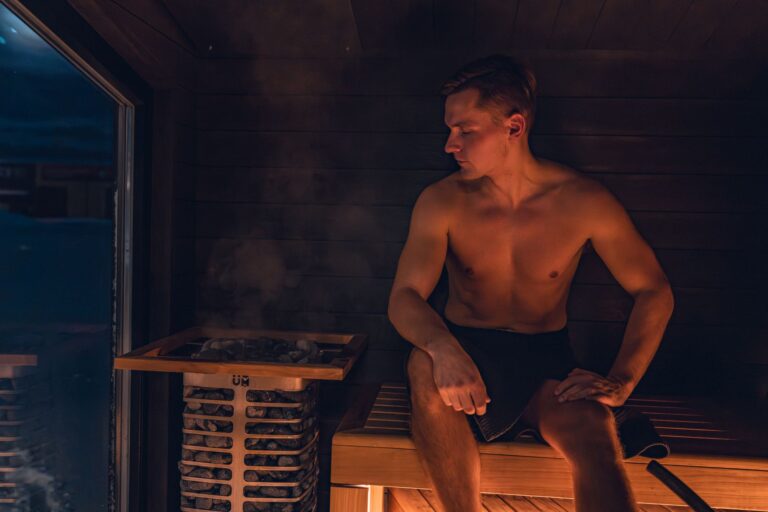
Regular sauna use (three to four sessions per week, 20–30 minutes at 140–160°F for infrared) supports cardiovascular health, improves heat tolerance, and speeds subjective recovery. Learn more about the benefits of infrared sauna and how long it takes to see results. Heat remains one of the most under-used tools among combat athletes and endurance runners alike.
Compression Therapy and Hyperice Technology: Accelerating Circulation and Recovery
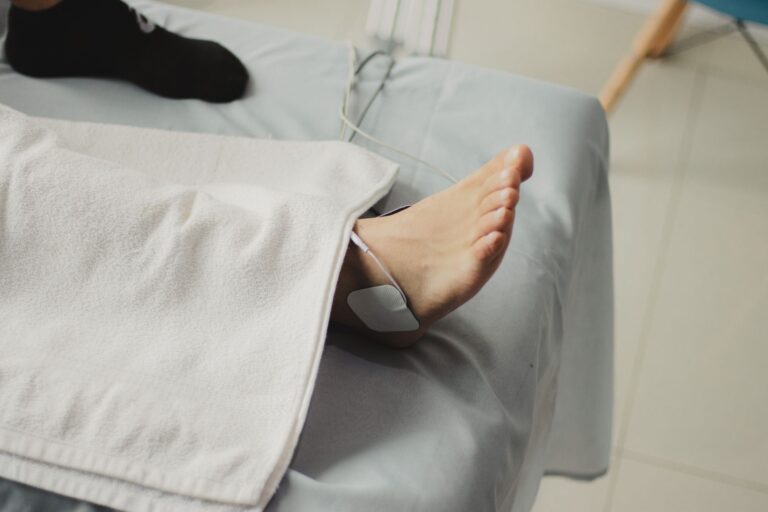
Pneumatic compression boots (NormaTec, Hyperice) improve venous return and reduce next-day heaviness in the legs. They are especially valuable after long-duration efforts — jiu-jitsu opens, long runs, cycling — and pair well with a recovery lounge session where you can also eat, hydrate, and decompress.
IV Therapy and Nutrient Infusions: Rehydration and Performance Optimization
IV drips are legitimate for acute rehydration and correcting deficiencies, but they are oversold as a routine performance tool. Reserve them for post-competition rehydration, illness recovery, or documented micronutrient issues. Skip the “vitamin cocktail for energy” marketing.
Red Light Therapy and Photobiomodulation for Athletic Tissue Recovery
Red and near-infrared light (roughly 630–850 nm) has growing evidence for improved mitochondrial function, tendon recovery, and skin health. Sessions are short (10–20 minutes) and best scheduled around hard training rather than immediately before max-effort work.
Sports Massage, Soft Tissue Work, and Manual Therapy Services in Houston
No machine replaces skilled hands. A licensed massage therapist who understands athletic loading can identify restrictions, release trigger points, and flag issues before they turn into injuries. Aim for one deep session every two to four weeks during heavy training blocks.
Float Therapy and Sensory Deprivation: Mental and Physical Recovery Benefits
Sixty to ninety minutes in an Epsom-salt-saturated float tank drops cortisol, resets the nervous system, and often improves sleep for the following two nights. Athletes carrying high cognitive loads (executives, students, parents managing chaotic schedules) benefit disproportionately.
Injury Prevention and Rehabilitation: Houston Centers That Go Beyond Basic Recovery
Recovery modalities buy you daily readiness. Injury prevention buys you decades of training. The best Houston facilities connect the two.
Physical Therapy and Sports Medicine Integration at Houston Wellness Centers
Look for places that either employ or partner with licensed physical therapists and sports medicine practitioners. Integrated care means your PT understands what your coaches are asking of you, and your coaches modify programming based on assessment findings. The absence of this loop is why so many athletes cycle through the same injury for years.
NIH-Backed Research and Cutting-Edge Shoulder and Joint Injury Protocols (UTHealth Houston)
UTHealth Houston runs NIH-funded research on shoulder and joint injury protocols, and for athletes dealing with rotator cuff issues, labral tears, or persistent joint pain, the academic medical center route offers protocols that most private clinics simply cannot access. Combine clinical care with a recovery membership that supports the daily maintenance work.
Movement Assessments and Biomechanical Screenings Available in Houston
A proper movement screen — FMS, SFMA, or a coach-led equivalent — identifies asymmetries before they become injuries. Pair the assessment with a targeted mobility program. Our resources on incorporating mobility into training and why mobility training matters outline how to translate screening results into weekly practice.
Luxury vs. Functional Recovery Centers in Houston: Which Is Right for Your Athletic Goals?
Not every athlete needs the same tier of facility. The right choice depends on training volume, budget, and how much value you place on environment.
High-End Amenities Worth the Investment for Serious Athletes
If you train hard five to six days per week, compete, or run a business that depends on your physical output, the premium tier pays back. A quiet recovery lounge, on-site cafe, natural light, private treatment rooms, and staff who know your name change the actual biological effect of a session because they lower baseline stress. This is where a facility like Trein Club — pairing yoga and meditation practice with contrast therapy, bodywork, and a Brazilian coffee bar — differs from a strip-mall cryo chain: the environment itself is part of the intervention.
Budget-Friendly and ClassPass-Accessible Recovery Options in Houston
If you train two to four times per week and recovery is a supplement rather than a system, ClassPass single sessions, community sauna clubs, and pay-per-visit compression studios cover the basics. Prioritize consistency of the cheap tools (sleep, hydration, walking, mobility) before spending on premium modalities.
How to Build a Weekly Recovery Routine Using Houston’s Wellness Centers
A recovery routine only works if it fits inside your actual week. Design it around your two or three hardest sessions.
Sample 7-Day Athlete Recovery Schedule Using Houston Facilities
- Monday — Hard training day: 15-minute mobility flow post-session; sauna 20 minutes in the evening.
- Tuesday — Skill or moderate day: compression boots 20 minutes; breathwork or kriya yoga meditation before bed.
- Wednesday — Hard training day: contrast therapy (sauna and cold plunge, 3 rounds) two hours after training.
- Thursday — Active recovery: 60-minute yoga class focused on mobility; light walk.
- Friday — Hard training day: sports massage or manual therapy in the evening.
- Saturday — Competition or long session: immediate compression; sauna and cold plunge later; float tank if available.
- Sunday — Full rest: long walk, sun exposure, meal prep, sleep priority.
Adjust intensity around your training block. During deload weeks, pull recovery modalities back too — the body needs signal, not constant intervention.
Combining In-Center Recovery with At-Home Wellness Technology (Hyperice and Beyond)
Own the cheap, high-frequency tools at home: a percussion device, a foam roller, resistance bands, and a solid sleep environment. Reserve the center visits for what you cannot replicate — cold plunge, sauna, professional bodywork, and coached mobility. Our guides on how often to do mobility training and how to incorporate it help you build the daily home practice that makes center sessions ten times more effective.
Frequently Asked Questions About Recovery and Wellness Centers in Houston for Athletes
What is the best recovery center in Houston specifically for professional or competitive athletes? There is no single answer, because “best” depends on your sport, budget, and how integrated you want training and recovery to be. Competitive athletes who want a clinical performance model gravitate toward ATH. Those who want a full lifestyle hub — training, recovery, yoga, coaching, community, and a cafe under one roof — increasingly choose Trein Club in Oak Forest, particularly BJJ competitors, striking athletes, and hybrid trainees who value coaching from a 4x World Champion alongside on-site cold plunge, infrared sauna, compression, and bodywork. If you already have a coach and just need modalities, chains like Restore work fine. The right center is the one you will actually use four to six times per week for the next two years.
How often should an athlete use recovery modalities? Contrast therapy 2–3 times per week, sauna 3–4 times per week, compression as needed after long sessions, deep bodywork every 2–4 weeks during heavy blocks. Daily mobility and sleep matter more than any single modality.
Is cold plunge safe every day? For most healthy athletes, yes, at moderate temperatures and durations. Skip it within six hours of hypertrophy-focused lifting if muscle growth is a priority, and consult a physician if you have cardiovascular conditions.
Do I need a membership or can I pay per visit? If you use recovery more than four times per month, a membership almost always wins on cost per session and, more importantly, on consistency — the single biggest predictor of results.