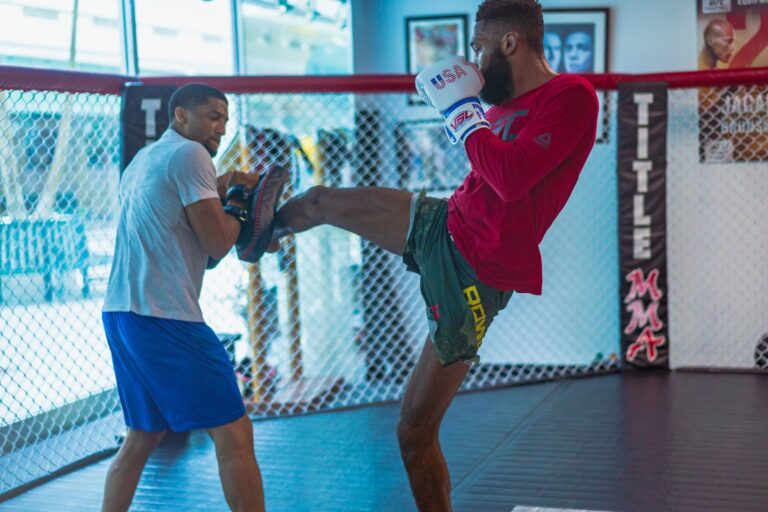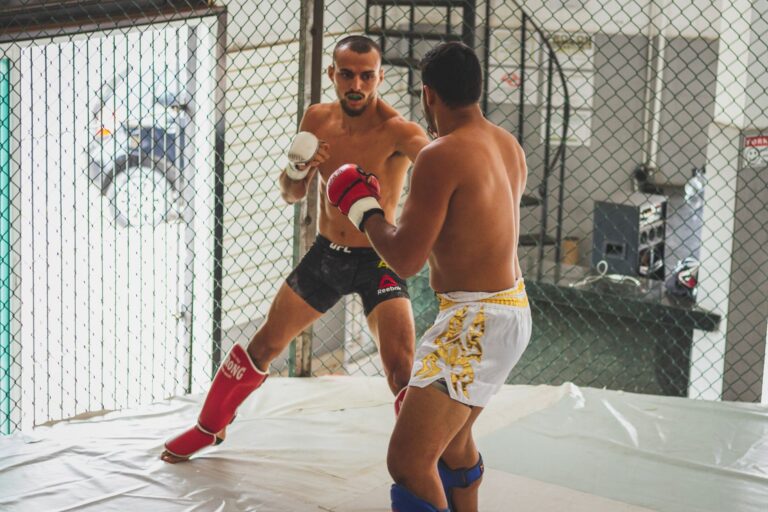
Brazilian Jiu-Jitsu is exceptionally effective for building muscle and strength, combining resistance training with functional movement patterns that challenge your body in ways traditional weightlifting alone cannot. Every roll engages multiple muscle groups simultaneously—your core stabilizes during positional transitions, your legs drive through escapes and sweeps, and your upper body develops explosive power through submissions and control. Unlike isolated gym exercises, BJJ forces your muscles to work together under dynamic, unpredictable conditions, which accelerates both hypertrophy and practical strength gains.
What makes BJJ particularly valuable for strength development is the progressive resistance it provides. As you advance through belt levels, you face stronger opponents and more technical challenges, naturally increasing the intensity and demand on your muscles. The sport also builds grip strength, shoulder stability, and leg power at levels most people never achieve through conventional training. Combined with proper nutrition and recovery, consistent BJJ training delivers measurable muscle growth alongside the functional, real-world strength that translates to everyday life.
At Trein Club in Houston, our strength and conditioning coaches integrate targeted programs with your BJJ training to maximize muscle development while preventing injury. Whether you’re training for competition or personal fitness, our expert coaching and recovery services—including infrared sauna and massage therapy—support your body’s adaptation and growth.
Does BJJ Build Muscle and Strength? The Complete Evidence-Based Answer
Brazilian Jiu-Jitsu operates as far more than a martial art—it functions as a comprehensive resistance training system that develops functional musculature and legitimate strength. The real question isn’t whether grappling builds muscle, but rather how effectively it compares to conventional training methods and how to optimize those results.
The answer is definitive: yes, grappling develops both muscle and strength. However, the type of muscular development differs from bodybuilding-focused approaches, and understanding these distinctions helps you establish realistic expectations and structure your regimen accordingly.
How BJJ Builds Muscle: The Science Behind Resistance Training in Grappling
Grappling triggers muscle growth through three primary mechanisms: mechanical tension, muscle damage, and metabolic stress—the identical pathways activated by weightlifting, yet applied through dynamic resistance rather than static loads.
When executing a guard pass, defending a submission, or maintaining position under pressure, your muscles work against external resistance from an opponent’s bodyweight. This resistance remains inconsistent; it fluctuates throughout the roll, forcing your nervous system to continuously recruit muscle fibers at varying intensities. A 60-minute rolling session involves hundreds of micro-contractions against variable resistance, generating substantial mechanical tension.
Muscle damage occurs during intense rolls when your muscles experience eccentric loading—resisting an opponent’s movements as they attempt to escape or advance position. This triggers cellular repair and growth responses (hypertrophy). Additionally, metabolic stress from sustained grappling—the “burn” during positional holds or scrambles—activates hormonal pathways supporting muscle protein synthesis.
Grappling differs fundamentally from traditional strength training in that resistance comes from a living, unpredictable source distributed across your entire body simultaneously. You’re not isolating muscle groups; you’re developing integrated strength patterns that translate directly to athletic performance.
Which Muscle Groups Does BJJ Develop Most Effectively?
Grappling creates disproportionate muscular development based on sport-specific demands. Certain areas respond dramatically; others develop more gradually.
Primary muscle groups that develop rapidly in BJJ:
- Forearms and grip muscles—constant gripping, collar control, and wrist manipulation create significant forearm hypertrophy
- Shoulders and rotator cuffs—arm drags, throws, and escape mechanics demand extensive shoulder engagement
- Legs and glutes—guard retention, leg lock defense, and positional scrambles build substantial lower body strength
- Core and obliques—constant anti-rotation work, bridge mechanics, and positional transitions create defined core development
- Back and lats—pulling movements, guard retention, and positional control build significant back thickness
- Chest and triceps—pushing mechanics, arm lock escapes, and top position maintenance develop these areas
The upper back and posterior chain develop particularly well because grappling emphasizes pulling patterns more than pushing. Most practitioners develop pronounced upper back definition and shoulder width from years of collar grips, sleeve grips, and constant pulling mechanics.
One notable area that develops less dramatically is the anterior core (rectus abdominis). While your abs strengthen significantly, grappling doesn’t create the same isolated abdominal hypertrophy as dedicated ab training because the sport emphasizes core stability over core flexion.
BJJ vs Traditional Strength Training: Which Builds More Muscle?
This comparison requires nuance. Bodybuilding-style weightlifting builds muscle mass faster and more predictably in specific target areas. A dedicated lifter following a hypertrophy program will gain more visible muscle in 12 weeks than a grappler.
However, grappling builds more functional muscle—musculature integrated into movement patterns, supported by connective tissue strength, and developed through full-range-of-motion resistance. A weightlifter might possess larger arms but weaker grip strength. A grappler might have smaller biceps but dramatically superior integrated upper body strength.
Muscle developed through grappling proves more durable. Because you’re developing musculature through dynamic, multi-planar movements against variable resistance, your tendons, ligaments, and stabilizer muscles adapt alongside your prime movers. This creates reduced injury risk and superior longevity.
Strength gains in grappling are also measurable in practical ways: you can control heavier opponents, maintain positions longer under pressure, and execute techniques with greater efficiency. These represent real-world strength metrics that don’t always correlate with size.
The Type of Physique You’ll Build from BJJ Training
Grapplers develop a distinctive physique characterized by lean muscle, defined muscularity, and athletic proportion rather than maximum size.
Most serious practitioners display visible muscle definition without excess body fat, yet they’re rarely as large as dedicated strength athletes or bodybuilders. A 185-pound competitive grappler typically carries less total muscle mass than a 185-pound powerlifter, but significantly more definition and less body fat.
The physique typically features:
- Prominent shoulders and upper back width
- Defined forearms and strong wrist development
- Visible core definition with strong obliques
- Athletic leg development without extreme size
- Overall low body fat percentage (typically 8-12% for competitive athletes)
- Proportional muscle development rather than isolated size
This physique reflects grappling’s demands: you need strength and muscle, but you also need to move efficiently and maintain proper weight for your competition category. Excessive muscle mass becomes a liability in the sport.
Grip Strength Development Through Brazilian Jiu-Jitsu
One of the most dramatic strength adaptations in grappling is grip strength development. This isn’t accidental—it’s a direct result of the sport’s technical demands.
Grappling requires constant gripping: collar grips, sleeve grips, pant grips, wrist control, and finger locks. These grips must be maintained against active resistance from an opponent trying to break them. Over months of training, your forearm muscles, finger flexors, and grip stabilizers adapt dramatically.
Most serious practitioners develop grip strength exceeding their body weight category. A 170-pound grappler often possesses grip strength comparable to someone significantly heavier. This translates to:
- Superior functional hand strength in daily life
- Resistance to wrist injuries
- Better performance in other sports requiring grip (climbing, gymnastics, weightlifting)
- Pronounced forearm development and definition
The grip strength developed through grappling is also endurance-based rather than maximum-force-based. You develop the ability to maintain gripping strength for extended periods, which proves more practical than peak grip strength in most contexts.
How Long Does It Take to See Muscle Growth from BJJ?
Visible muscle development from grappling follows a predictable timeline, though individual variation is substantial based on genetics, training frequency, nutrition, and training intensity.
First 4-8 weeks: You’ll experience strength gains and improved muscle definition from reduced body fat and improved muscle pump, but minimal actual muscle growth. Your nervous system is adapting, not your muscles.
8-16 weeks: Noticeable muscle development begins, particularly in the forearms, shoulders, and upper back. Muscle definition increases as your body composition improves. Most people report visible physique changes in this window.
4-6 months: Significant muscle development across all major muscle groups. Your physique transforms noticeably if you’re training consistently (4+ times weekly) and maintaining proper nutrition.
6-12 months: Substantial muscle development and strength gains. You’ll have built a recognizable athletic physique with visible muscle definition. At this point, further gains require either increased training volume, improved technique, or supplemental strength training.
12+ months: Continued but slower gains. After the initial adaptation period, muscle growth slows unless you systematically increase training demands or add supplemental resistance training.
These timelines assume consistent training (3-5 sessions weekly), adequate protein intake (0.8-1g per pound of bodyweight), and sufficient sleep and recovery. Athletes training less frequently or with inadequate nutrition will see slower progress.
Maximizing Muscle Gains: Combining BJJ with Supplemental Strength Training
Grappling alone builds solid functional muscle and genuine strength. However, if your primary goal is muscle growth, combining grappling with targeted strength training dramatically accelerates results.
The optimal approach involves:
1. Structure your week strategically
Train grappling 3-4 times weekly on days dedicated to the sport. Perform strength training on separate days or immediately after grappling sessions when your muscles are already activated. A typical structure might be: grappling Monday/Wednesday/Friday, strength training Tuesday/Thursday, with active recovery on weekends.
2. Prioritize compound movements that complement grappling
Focus on exercises that develop muscles used in the sport but aren’t maximally stimulated by grappling alone:
- Bench press and overhead press for chest and shoulder pressing strength
- Rows and pull-ups for back thickness and pulling power
- Deadlifts and squats for lower body strength and power
- Farmer carries for grip and forearm endurance
- Wrist curls and reverse wrist curls for forearm hypertrophy
3. Adjust volume based on grappling intensity
On days when you have intense grappling rolling, reduce strength training volume to avoid overtraining. Heavy strength training + intense rolling = excessive fatigue and injury risk. Light technique-focused grappling sessions can be paired with heavier strength training.
4. Maintain adequate recovery and nutrition
Combining grappling with strength training increases your caloric needs significantly. Ensure you’re eating sufficient protein (1.2-1.6g per pound of bodyweight) and total calories to support muscle growth. Sleep becomes critical—aim for 7-9 hours nightly.
5. Periodize your training
Vary your training focus across 4-8 week blocks. One block might emphasize strength (lower reps, heavier weight), while another emphasizes hypertrophy (moderate reps, moderate weight). This variation prevents plateaus and reduces injury risk.
Many competitive grapplers follow this hybrid approach, combining world-class grappling instruction with dedicated strength and conditioning programs to optimize both sport performance and physical development.
Physical and Physiological Adaptations in BJJ Athletes
Beyond visible muscle growth, grappling training creates profound physiological adaptations that extend far beyond aesthetics.
Cardiovascular adaptations
Consistent grappling training improves heart health, VO2 max, and cardiovascular efficiency. The sport’s interval-based nature—intense effort followed by brief recovery—is exceptionally effective for cardiovascular fitness. Most grapplers develop resting heart rates 10-15 beats lower than sedentary individuals.
Connective tissue strengthening
Your tendons, ligaments, and joint capsules adapt to the demands of grappling, becoming stronger and more resilient. This takes longer than muscle adaptation (typically 8-12 weeks minimum) but creates lasting durability. This is why experienced grapplers can train intensely with lower injury rates than beginners despite greater stress.
Nervous system efficiency
Your nervous system becomes dramatically more efficient at recruiting muscle fibers and coordinating complex movements. This neural adaptation accounts for 30-50% of strength gains in the first 8-12 weeks of training, before significant muscle growth occurs.
Metabolic adaptations
Regular grappling training improves insulin sensitivity, increases mitochondrial density, and enhances fat oxidation capacity. Most practitioners experience improved body composition and metabolic health independent of muscle growth.
Hormonal changes
Consistent training increases testosterone production, growth hormone release, and IGF-1 levels—all supporting muscle growth and overall health. These hormonal adaptations contribute to improved mood, energy, and recovery.
Joint and postural improvements
Grappling emphasizes full-range-of-motion movement and develops balanced strength across all planes of motion. Most practitioners experience improved posture, reduced chronic pain, and better joint health compared to sedentary individuals or those training only in single planes of motion.
FAQ: Does BJJ make you stronger and more muscular?
Yes, grappling definitively makes you stronger and more muscular. You’ll develop visible muscle definition, measurable strength gains, and functional athletic capability. The strength developed is particularly useful—it’s integrated across multiple movement patterns and supported by connective tissue adaptation, making it more durable and practical than isolated strength gains from other training methods.
Most practitioners notice measurable strength improvements within 4-8 weeks and visible muscle development within 8-16 weeks of consistent training. The degree of muscle growth depends on training frequency (more sessions = faster growth), intensity, nutrition, and whether you combine grappling with supplemental strength training.
FAQ: Can you build significant muscle mass with BJJ alone?
Yes, you can build significant muscle mass with grappling alone, but the rate of growth is slower than combining it with dedicated strength training. Grappling alone typically builds 8-15 pounds of muscle in the first year for most practitioners, with slower gains thereafter.
If your primary goal is maximum muscle mass, combining grappling with supplemental strength training will accelerate results by 40-60%. However, if your goal is functional strength, athletic performance, and a lean athletic physique, grappling alone is entirely sufficient.
The muscle built through grappling is also more durable and functional because it develops through integrated movement patterns rather than isolated exercises. Many athletes prefer this approach despite slower pure muscle gain.
FAQ: What is the best way to combine BJJ with strength training for muscle growth?
The optimal approach involves training grappling 3-4 times weekly on dedicated days, with 2 separate strength training sessions focusing on compound movements. Structure your week to avoid training grappling and heavy strength on consecutive days when possible.
Prioritize exercises that complement grappling: bench press, rows, pull-ups, deadlifts, squats, and farmer carries. Use moderate weight and moderate rep ranges (6-12 reps) for strength-hypertrophy balance. Maintain adequate calories and protein (1.2-1.6g per pound of bodyweight) to support muscle growth.
Periodize your training across 4-8 week blocks, varying between strength emphasis (lower reps, heavier weight) and hypertrophy emphasis (moderate reps, moderate weight). This variation prevents plateaus and reduces injury risk.
Most importantly, prioritize recovery. Combining grappling with strength training dramatically increases recovery demands. Ensure 7-9 hours of sleep nightly and manage training intensity so you’re not chronically fatigued.
FAQ: How does BJJ compare to weightlifting for building muscle?
Weightlifting builds muscle faster and more predictably in specific target areas. A dedicated lifter will gain more visible muscle mass in 12 weeks than a grappler training the same hours.
However, grappling builds more functional muscle supported by superior connective tissue strength and integrated movement patterns. A weightlifter might have larger arms but weaker grip strength and less practical upper body strength. A grappler has smaller but stronger arms integrated into superior overall strength.
The choice depends on your goals. For maximum muscle size, weightlifting is superior. For functional strength, athletic performance, and durability, grappling is superior. For both muscle growth and functional strength, combining both methods is optimal.
Additionally, weightlifting carries higher injury risk for beginners because it requires precise form and doesn’t develop the same connective tissue adaptation. Grappling develops muscle through more natural movement patterns with lower injury risk for most practitioners.
FAQ: Which areas of the body get stronger from BJJ training?
Grappling develops strength disproportionately based on sport-specific demands. The most dramatic strength development occurs in:
- Grip and forearms—constant gripping creates exceptional grip strength and forearm development
- Shoulders and upper back—pulling mechanics and positional control build significant shoulder and back strength
- Core and obliques—anti-rotation work and positional transitions create strong, defined core
- Legs and glutes—guard retention and escape mechanics build substantial lower body strength
- Chest and triceps—pushing mechanics and arm lock escapes develop these areas
Areas that develop less dramatically include the anterior core (rectus abdominis) and isolated biceps. While these areas strengthen, they don’t hypertrophy as dramatically as in dedicated arm training because grappling emphasizes pulling patterns over arm flexion.
Overall, grappling creates balanced, proportional strength development across your entire body rather than isolated strength in specific areas. This balanced development is more practical and less injury-prone than strength imbalances created by single-sport training.