If you’re considering Muay Thai lessons in Houston, understanding the cost is usually the first step before committing to training. Muay Thai lesson prices vary significantly depending on the gym’s reputation, instructor credentials, class format, and whether you’re signing up for group sessions or private coaching. At Trein Club in Oak Forest, we’ve designed our Muay Thai program to fit different budgets and training goals, whether you’re a complete beginner stepping into the sport for the first time or an experienced striker looking to refine your technique alongside our world-class coaches.
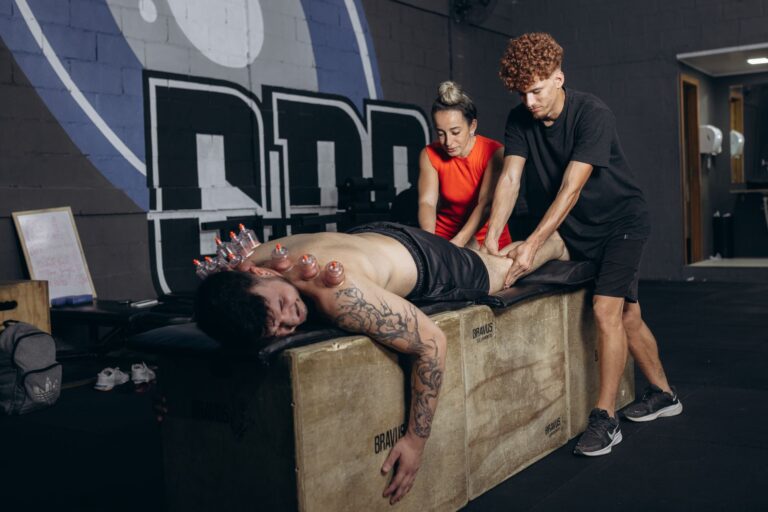
Beyond just the per-class fee, many Houston gyms bundle Muay Thai with other training modalities—and that’s where real value emerges. At Trein Club, your membership extends beyond the striking arts to include Brazilian Jiu-Jitsu, kickboxing, yoga, strength and conditioning, and access to our full wellness ecosystem with cold plunge, infrared sauna, and massage therapy. This integrated approach means you’re not just paying for Muay Thai lessons; you’re investing in a complete training and recovery system designed to maximize your performance and keep you injury-free.
Let’s break down what you can actually expect to invest in quality Muay Thai training at a premier Houston facility.
How Much Do Muay Thai Lessons Cost? (Complete 2024 Price Guide)
What you pay for Muay Thai lessons depends heavily on where you train, the format you pick, and your instructor’s background. Across the United States, most students spend between $120 and $250 per month for unlimited group classes at a solid gym, while drop-in rates usually land between $20 and $35 per session. One-on-one instruction sits in a much higher tier, often $60 to $150 per hour. Internationally, the spread is even wider: luxury training resorts in Phuket can charge $1,500 a month, while no-frills neighborhood gyms in Bangkok offer full training programs for under $200.
This guide breaks down every price tier you’ll run into — from group classes in major Western cities to authentic Thai training camps, plus the hidden costs (gear, registration, insurance) that most beginners overlook. Whether you’re eyeing Muay Thai as a fitness hobby, a complement to your Brazilian Jiu-Jitsu training, or a serious competitive pursuit, knowing the real numbers will help you pick a gym that fits both your goals and your wallet.
Average Cost of Muay Thai Lessons at a Glance
Before getting into specifics, it helps to see how Muay Thai pricing compares across major markets. Rates are shaped by local cost of living, gym overhead, instructor experience, and the amenities bundled into membership (showers, lockers, recovery facilities, open mat time, and access to other disciplines like BJJ or strength and conditioning).
Group Class Prices in the United States
In the U.S., monthly unlimited Muay Thai memberships generally fall between $120 and $250, with premium combat sports academies in cities like New York, Los Angeles, Miami, and Houston pushing toward the upper end. Boutique gyms with smaller class sizes and credentialed coaches (former professional Nak Muays, Lumpinee or Rajadamnern veterans) often start at $200 and climb from there. Drop-in rates typically run $20 to $35, while a 10-class pack averages $180 to $300. Hybrid academies bundling kickboxing, Muay Thai, BJJ, and conditioning under one membership tend to deliver far better value per discipline.
Group Class Prices in the United Kingdom and Europe
In the UK, plan on £70 to £150 per month ($90–$190 USD) for unlimited group classes, with London gyms landing between £120 and £180. Single sessions cost £10 to £20. Across continental Europe, prices vary widely: Berlin and Amsterdam average €80 to €130 monthly, Paris runs €100 to €170, and Eastern European cities like Warsaw or Prague can drop as low as €40 to €70. Many European gyms still operate on a pay-per-session card system rather than the American-style unlimited model.
Group Class Prices in Australia and Canada
Australian gyms charge between AUD $150 and $250 per month, with Sydney and Melbourne sitting near the top of that range. Drop-ins are typically AUD $25 to $35. In Canada, monthly memberships average CAD $130 to $220, with Toronto and Vancouver commanding the highest rates and smaller markets like Edmonton or Halifax offering noticeably cheaper options.
Muay Thai Lesson Costs in Thailand
Training in Thailand is still the gold standard for serious students, and despite rising tourism prices, it remains remarkably affordable compared to Western gyms — especially once you factor in the volume of training included in most camp packages (twice-daily sessions, six days a week).
Training Camps in Bangkok: What to Expect to Pay
Bangkok hosts some of the most authentic and affordable training in the country. Traditional gyms like Sityodtong, Kaewsamrit, and Yokkao typically charge 300–500 THB per session ($8–$14 USD) or 8,000–15,000 THB per month ($220–$420 USD) for unlimited training. Lodging is rarely included, but Bangkok’s affordable apartment rentals ($300–$600/month) keep total expenses manageable for long-term visitors.
Training Camps in Phuket and Chiang Mai: Price Breakdown
Phuket has become the international hub for Muay Thai tourism, and the prices reflect that. Well-known camps like Tiger Muay Thai, Sinbi, and AKA Thailand charge $300 to $600 per week for training-only packages, or $900 to $1,800 per month for all-inclusive deals that bundle accommodation and meals. Chiang Mai is the budget-friendly alternative, where reputable gyms like Santai and Hong Thong charge $200–$400 per month for training, plus $300–$500 for nearby housing.
Drop-In Sessions vs. Monthly Packages in Thailand
Single sessions in Thailand average 300–600 THB ($8–$17 USD), which keeps short visits accessible. The math tips heavily toward monthly packages once you train more than 15–20 sessions, though. Most Thai camps also offer week-long bundles that include 10–12 sessions, hitting the sweet spot for travelers blending training with vacation.
Private Muay Thai Lessons vs. Group Classes: Cost Comparison
Private instruction speeds up progress dramatically, but at a steep premium. The choice between privates and group classes usually comes down to your goals, your budget, and how much personalized correction your technique actually needs.
How Much Do Private Muay Thai Lessons Cost?
In the U.S., private Muay Thai lessons typically range from $60 to $150 per hour, with elite coaches (former world champions, professional fighters) commanding $200 or more. UK and European rates fall between £40 and £100 per session. In Thailand, the equation flips entirely — you can book a private session with a former Lumpinee champion for 500–1,500 THB ($14–$42 USD), one of the strongest value propositions in combat sports anywhere on the planet.
Is a Private Instructor Worth the Extra Cost?
Privates pay off most in three scenarios: when you’re a complete beginner building clean fundamentals, when you’re prepping for competition and need fight-specific game planning, or when you’ve stalled on a technical plateau. Most students don’t need weekly privates — one session every two to four weeks, paired with consistent group training, produces excellent results. If your budget is tight, lean on group classes and sprinkle in occasional privates around competition cycles, much like tournament preparation in BJJ.
Monthly Membership vs. Drop-In Rates: Which Is Cheaper?
Choosing between a membership and drop-ins is essentially a math problem driven by how often you actually show up. Most students wildly overestimate their attendance, so it pays to be brutally honest with yourself before signing anything.
Typical Monthly Membership Pricing Structures
Modern combat sports academies use tiered membership models: a basic single-discipline plan ($120–$180), an unlimited plan covering multiple disciplines like Muay Thai, kickboxing, and BJJ ($180–$280), and a premium plan that folds in recovery services such as cold plunge, infrared sauna, and massage therapy ($250–$400). For anyone training 3+ times per week, unlimited memberships are almost always the cheapest per-class option.
Drop-In Class Rates and When They Make Sense
Drop-ins work best when you train fewer than six times per month, when you’re traveling, or when you’re sampling a new gym before committing. At $25–$35 per session, single visits cost more than a membership at roughly eight attendances per month. Class packs (10, 20, or 30 sessions) offer a middle ground and often don’t expire for 3–6 months.
What Factors Affect the Price of Muay Thai Lessons?
Two gyms in the same city can carry wildly different price tags. Understanding what drives those gaps helps you judge whether a higher rate actually delivers more value — or whether you’re just paying for marketing and branding.
Location and Cost of Living in Your Area
Real estate is the single biggest cost driver for any martial arts facility. Academies in dense urban cores (Manhattan, downtown San Francisco, central London) pay 5–10x the rent of suburban gyms, and those numbers get passed straight to members. Mid-sized markets like Houston, Austin, Charlotte, or Phoenix tend to offer the best ratio of facility quality to membership price.
Gym Reputation, Facilities, and Instructor Credentials
Gyms led by world champions or former pros charge premium rates because their coaching genuinely accelerates student development. Facility quality matters too: a 19,000-square-foot academy with separate mats for striking and grappling, dedicated strength and conditioning equipment, recovery amenities, and an on-site café offers a fundamentally different experience than a 2,000-square-foot storefront — and the pricing reflects that.
Class Size and Training Format
Boutique gyms cap classes at 12–20 students to guarantee individual attention, which costs more than commercial gyms cramming 40+ people into a room. Smaller groups mean more rounds with the coach, more technical corrections, and faster progression — especially critical during your first six months.
Your Experience Level: Beginner vs. Advanced
Many gyms run dedicated beginner programs (often labeled “Fundamentals” or “Foundations”) that may be slightly cheaper as standalone tracks but quickly funnel into full membership. Advanced and competition team training is sometimes included with full memberships, and sometimes priced separately at $50–$150/month on top of the base rate.
Hidden Costs of Muay Thai Training You Should Budget For
The sticker price of your membership is only part of the picture. Most new students get blindsided by how quickly equipment, registration fees, and ancillary expenses pile up in the first three months.
Essential Muay Thai Equipment and Gear Costs
Your starter kit will run $200–$400: hand wraps ($10–$15), boxing gloves ($60–$150), shin guards ($60–$120), a mouthguard ($15–$40), and shorts ($30–$60). Optional but recommended extras include groin protection ($25–$50), ankle supports ($15–$30), and a gear bag ($40–$80). Mid-range gear from established brands like Fairtex, Yokkao, or Twins lasts 2–4 years with regular use.
Registration Fees, Insurance, and Grading Costs
Many gyms charge a one-time registration fee ($50–$150) that may include a starter shirt and intro session. Some require annual insurance contributions ($30–$80). If your gym uses a Muay Thai armband (Pra Jiad) progression system or hosts in-house grading events, expect testing fees of $40–$100 per level. Tournament entries (smokers, interclubs, amateur sanctioned fights) cost $50–$150 each plus travel.
How to Find Affordable Muay Thai Lessons Near You
Quality and affordability aren’t mutually exclusive — you just need to know where to look and how to ask. The best deals are rarely posted on a gym’s website.
Tips for Negotiating Better Rates at Your Gym
Gyms are far more flexible on pricing than most members realize. Ask about annual paid-in-full discounts (typically 10–20% off), family rates for couples or parents training alongside kids, military and first responder pricing, student rates, and corporate wellness partnerships. If you can lock in a 6 or 12-month contract, nearly every gym will trim the monthly rate. Referral credits — where you earn a free month or discount for bringing in a new member — are another lever most people forget to pull.
Free Trials, Intro Offers, and Discounts to Look For
Nearly every reputable gym offers a free first class or week-long trial. Many run intro packages like “30 days for $99” or “two weeks unlimited for $49” that let you fully evaluate the gym before committing. Check ClassPass and similar platforms for discounted single sessions. New-location grand openings often include 50% off first-year memberships for founding members.
Is Muay Thai Training Worth the Cost?
For most students, the answer is an unequivocal yes — but the value goes well beyond fitness. A quality Muay Thai program delivers world-class cardiovascular conditioning, full-body strength, real self-defense skills, stress relief, and a tight-knit community of training partners. When you stack $150–$250 per month against a commercial gym membership plus a personal trainer (easily $400+) plus a therapist plus the social value of belonging to a community, combat sports training becomes one of the best investments you can make in long-term health.
The highest-value option is often a hybrid academy where a single membership covers Muay Thai, BJJ, strength and conditioning, yoga, and recovery services. Cross-training between striking and grappling builds a more complete martial artist, and complementary disciplines like BJJ for adults develop attributes (timing, pressure, composure under stress) that carry straight back into your Muay Thai. For families, multi-discipline academies that include kids’ programs alongside adult classes under one roof eliminate the logistical headache of driving between gyms.
Frequently Asked Questions
How much do Muay Thai lessons cost per month on average?
In the United States, the average monthly rate for unlimited Muay Thai group classes lands between $120 and $250. Premium academies in major metro areas with credentialed instructors and boutique facilities usually charge $180–$280. Budget commercial gyms can dip as low as $80–$120, but typically come with larger class sizes and less individual attention.
How much does a single drop-in Muay Thai class cost?
Drop-in rates in the U.S. typically run $20 to $35 per class, with premium gyms going up to $40. In Thailand, single sessions are dramatically cheaper at $8–$17. UK drop-ins average £10–£20, and Australian gyms charge AUD $25–$35.
Is it cheaper to train Muay Thai in Thailand than in Western countries?
Yes — significantly. A month of unlimited training at a Bangkok gym runs $220–$420, while equivalent Western training costs $150–$280 and the volume is far lower (5–6 sessions per week vs. 10–12 in Thailand). On a per-session basis, Thailand can be 3–5x cheaper. You’ll still need to budget for flights, accommodation, food, and visa costs, though.
How much do private Muay Thai lessons cost per hour?
Private lessons in the U.S. average $60–$150 per hour, with elite coaches charging $200+. In the UK, plan on £40–£100. In Thailand, you can book privates with former champions for just $14–$42 per hour, which is one of the best deals in all of martial arts.
What is the cheapest way to learn Muay Thai?
The cheapest legitimate path is a community recreation center or college club program, where classes can run $50–$80 per month. Beyond that, look for gyms offering paid-in-full annual discounts, sign up during grand openings, take advantage of intro offers, and consider class packs if you train 2x per week or less. Free YouTube content from credentialed coaches is excellent for supplementary study but can’t replace live instruction.
Do Muay Thai gyms offer family or student discounts?
Most reputable gyms offer 10–25% off for additional family members, student rates with a valid ID, military and first responder discounts, and corporate partnerships. Many also drop rates significantly for 6 or 12-month commitments. Always ask — these discounts are rarely advertised online.
How much should I budget for Muay Thai equipment as a beginner?
Plan to spend $200–$400 on your initial gear: gloves ($60–$150), shin guards ($60–$120), hand wraps ($10–$15), a mouthguard ($15–$40), and shorts ($30–$60). Quality mid-range equipment from brands like Fairtex, Yokkao, or Twins lasts 2–4 years. Avoid the cheapest options — they wear out fast and can lead to hand injuries.
Are online Muay Thai lessons worth it?
Online courses (usually $10–$30 per month) are valuable as a supplement to in-person training, not a replacement. You can study technique breakdowns, fight footage, and conditioning programs at home, but Muay Thai is a contact sport — clinch work, sparring, and pad rounds require live partners and qualified coaches. Treat online content the way you’d treat a textbook: useful for the theory, but mat time is where the actual learning happens.