The physical benefits of training BJJ as an adult extend far beyond what most people expect when they step onto the mat for the first time. Brazilian Jiu-Jitsu is a full-body workout that builds functional strength, cardiovascular endurance, and flexibility simultaneously—without the monotony of traditional gym routines. Whether you’re 25 or 55, your body adapts to the demands of grappling, developing lean muscle, improving core stability, and increasing mobility in ways that directly translate to everyday life.
Beyond strength gains, BJJ training enhances balance, coordination, and proprioception while burning significant calories in every session. The sport also triggers powerful neurological adaptations—your brain forms new neural pathways as you learn techniques, which has been shown to improve focus and mental resilience. For adults juggling work, family, and stress, these physical transformations often become secondary benefits; the real magic happens when you realize you’re sleeping better, moving with more confidence, and feeling stronger than you have in years.
At Trein Club in Houston, we’ve coached hundreds of adult beginners through this exact journey. Our classes are designed specifically for adult bodies and schedules, with zero ego and maximum results. The question isn’t whether BJJ works—it’s whether you’re ready to experience the difference.
Cardiovascular Health and Endurance Improvements
How BJJ Training Builds Heart Health in Adults
Brazilian Jiu-Jitsu distinguishes itself from conventional cardio workouts by demanding sustained cardiovascular effort while simultaneously engaging your nervous system in intricate problem-solving. Throughout a typical session, your heart rate oscillates between intense peaks—when escaping a dominant position or executing a takedown—and brief recovery windows during position transitions. This interval-based pattern strengthens cardiac muscle more effectively than steady-state cardio alone.
Adults who train consistently observe measurable improvements in resting heart rate within 8-12 weeks. A lower resting heart rate signals a more efficient cardiovascular system, meaning your heart pumps blood more effectively with each beat. The grappling component forces your body to work harder against genuine resistance, training your heart to deliver oxygen-rich blood to muscles under real load—not simulated resistance on a machine.
The stress management dimension of BJJ also supports heart health. Training in a controlled, ego-free environment allows adults to safely challenge themselves while building resilience. Since chronic stress elevates cortisol and blood pressure, BJJ provides a healthy outlet that reduces these markers over time.
Aerobic and Anaerobic Conditioning Benefits
BJJ develops both aerobic capacity (sustaining effort using oxygen) and anaerobic power (explosive strength without oxygen dependency). A single rolling session alternates between these energy systems multiple times, creating comprehensive conditioning stimulus.
During slower, positional rolling, your aerobic system dominates—you’re breathing steadily, maintaining control, and working through techniques. When you need to escape a submission or defend against a sweep, your anaerobic system activates, recruiting fast-twitch muscle fibers for explosive power. This dual-system development translates to practical benefits: climbing stairs without breathlessness, carrying groceries effortlessly, and sustaining energy throughout your workday.
The aerobic adaptations extend beyond each session. Regular training increases mitochondrial density in muscle cells—essentially building more “power plants” that convert oxygen into usable energy. This adaptation means adults experience sustained energy improvements in daily life, not just during training.
Strength and Muscle Development for Adult Practitioners
Full-Body Muscle Engagement During Training
Unlike isolation exercises targeting single muscle groups, BJJ demands simultaneous engagement of stabilizer muscles, prime movers, and antagonist muscles throughout your entire body. When defending a passing attempt from guard position, your core stabilizes, your legs create frames, your arms manage distance, and your back muscles maintain posture—all simultaneously.
This full-body integration creates functional strength patterns that transfer directly to daily movement. Adults who train report improved ability to lift heavy objects safely, better postural control during prolonged sitting, and enhanced capacity for physically demanding activities. The strength developed isn’t merely muscular; it’s neurological—your nervous system learns to recruit muscles efficiently and synchronize movement patterns.
Over 6-12 months of consistent training, adults typically experience visible muscle definition, particularly in the shoulders, back, core, and legs. The repetitive nature of grappling—gripping, pushing, pulling, and bridging—creates consistent stimulus for muscle protein synthesis. Rather than requiring progressive loading with heavier weights, BJJ provides progressive difficulty through technical complexity and increased resistance from training partners.
Functional Strength vs Traditional Weightlifting
Weightlifting builds isolated muscle strength in predictable movement patterns—a barbell squat trains the quadriceps, glutes, and stabilizers in a fixed trajectory. BJJ develops strength across unpredictable, multi-planar movement patterns because your opponent constantly changes position and applies variable resistance.
This functional approach carries substantial practical value for adults. When you slip on ice, your body needs to engage stabilizer muscles unexpectedly—exactly what BJJ trains. When helping a friend move furniture, you’re lifting objects at awkward angles and heights—precisely the type of strength BJJ develops. Research comparing grappling athletes to weightlifters shows that while both groups develop significant strength, grapplers demonstrate superior real-world functional capacity and injury resilience.
The metabolic cost of functional strength training also exceeds traditional weightlifting. Because BJJ demands continuous stabilization and compensation for variable resistance, your body burns more calories during training and maintains elevated metabolic rate for hours afterward. This makes BJJ particularly effective for adults seeking strength development without dedicating extensive gym time.
Weight Management and Body Composition Changes
Calorie Burn During BJJ Sessions
A 60-minute session burns 400-600 calories for most adults, with higher numbers for larger individuals or those training at competitive intensity. This expenditure rivals high-intensity interval training and exceeds typical gym sessions because BJJ combines cardiovascular demand, muscular effort, and constant movement without extended rest periods.
The calorie burn varies throughout training. During warm-ups and drilling, you’re in the lower-to-moderate intensity zone. During rolling, intensity spikes dramatically—your heart rate climbs, your muscles contract powerfully, and your nervous system works overtime managing complex movements. This variation creates ideal stimulus for metabolic adaptation.
Importantly, the calorie burn includes the afterburn effect (excess post-exercise oxygen consumption). Your body continues burning elevated calories for hours after training as it repairs muscle tissue, replenishes energy stores, and restores hormonal balance. This means the 500 calories burned during a session might represent 600-700 total calories when accounting for post-training metabolism.
Long-Term Metabolic Benefits
Consistent BJJ training fundamentally changes how your body manages energy. As you build lean muscle mass, your resting metabolic rate increases—you burn more calories simply existing. A 5-pound gain in muscle tissue increases daily calorie expenditure by approximately 50 calories, which compounds to significant weight management over months and years.
Beyond muscle mass, BJJ training improves insulin sensitivity. Your muscles become more efficient at pulling glucose from your bloodstream, reducing blood sugar spikes and improving energy stability throughout the day. Adults with metabolic syndrome or prediabetes often see dramatic improvements in blood sugar markers within 8-12 weeks of consistent training.
The hormonal environment created by BJJ training also supports sustainable weight management. Training triggers endorphin release and reduces cortisol, decreasing the likelihood of stress-eating and emotional eating patterns that derail many adults’ fitness goals. Additionally, the community aspect of training at a dedicated academy provides accountability and motivation that solitary gym work rarely achieves.
Flexibility, Mobility, and Joint Health
Increased Range of Motion Through Grappling
BJJ uniquely develops flexibility because it requires range of motion under load, not just passive stretching. When defending a leg lock or executing a triangle choke, you’re moving into deep ranges of motion while managing external resistance—this trains your nervous system to accept and control greater ranges safely.
Adults often experience dramatic improvements in hip mobility within 2-3 months of consistent training. The constant hip movement in guard positions, leg lock defense, and footlock escapes gradually expands your available range. This translates to improved squat depth, easier sitting positions, and reduced hip pain that many sedentary adults experience.
Shoulder mobility improves equally. The pulling, pushing, and rotational movements gradually increase shoulder range of motion in all planes. Adults who previously couldn’t touch their hands behind their back often achieve full shoulder flexibility after months of training. This improved mobility reduces shoulder impingement risk and enables pain-free overhead movement.
Injury Prevention and Joint Stability
Counterintuitively, training BJJ—when done properly in a controlled environment—reduces injury risk. The reason: BJJ develops dynamic stability in joints, meaning your muscles learn to protect your joints across full ranges of motion. A joint with strong surrounding musculature and good proprioceptive feedback is far less likely to be injured during daily activities.
The controlled progression ensures adults develop stability gradually. Beginners learn proper positioning and defensive mechanics before rolling intensely, allowing connective tissue to adapt. Your ligaments, tendons, and joint capsules strengthen over weeks and months, creating a resilient structure that resists injury.
Additionally, BJJ training teaches body awareness that prevents injuries outside the gym. Adults who train develop better proprioception—they’re more aware of their body position in space and less likely to step awkwardly, overextend joints, or lose balance. This proprioceptive awareness directly reduces slip-and-fall injuries and acute joint injuries that commonly plague sedentary adults.
Balance and Coordination Enhancement
Proprioception Development in Adults
Proprioception—your ability to sense your body’s position and movement in space—declines significantly in sedentary adults. BJJ reverses this decline by constantly challenging your proprioceptive system. Every roll requires you to know where your limbs are relative to your opponent’s limbs, where your weight is distributed, and how to shift weight efficiently.
This proprioceptive development has profound real-world implications. Adults with improved proprioception demonstrate better balance, reduced fall risk, and improved athletic capacity in any sport. The neural adaptations that develop through training enhance communication between your muscles and your central nervous system, creating more efficient, coordinated movement patterns.
Older adults particularly benefit from proprioceptive training. Falls represent the leading injury cause in adults over 65, and many result from poor proprioception combined with weak stabilizer muscles. BJJ training addresses both factors simultaneously, making it an excellent preventive strategy for aging adults seeking to maintain independence and mobility.
BJJ Training Safety for Older and Aging Adults
Modifications for Adults Over 40 and 50
The misconception that BJJ isn’t suitable for older adults prevents many from experiencing its benefits. In reality, BJJ is excellent for adults over 40, provided training is appropriately scaled. Experienced coaches understand the specific needs of older athletes and adjust training accordingly.
For adults over 40, modifications include reduced rolling intensity, longer warm-up periods, and emphasis on positional control rather than explosive movements. Many older practitioners train in a “flow rolling” style—moving through positions at 60-70% intensity with focus on technique rather than winning. This approach delivers all the physical benefits while minimizing injury risk.
Recovery becomes increasingly important for older adults. Training frequency might shift from 4-5 days weekly to 2-3 days weekly with dedicated recovery days. Incorporating yoga and mobility work accelerates recovery and maintains flexibility. Many older practitioners find that 2-3 focused, well-executed training sessions weekly produces better long-term results than attempting to maintain a younger athlete’s schedule.
Common Injuries and Prevention Strategies
While BJJ does carry injury risk, most injuries are preventable through proper technique, gradual progression, and smart training decisions. The most common injuries—minor joint sprains, muscle strains, and occasional mat burns—occur when athletes push too hard too fast or ignore pain signals.
Prevention strategies include tapping early and often, avoiding ego-driven rolling, and communicating with training partners about intensity level. In an ego-free environment, beginners and older adults are encouraged to tap frequently without judgment, allowing their bodies to adapt safely. Proper warm-up and cool-down also significantly reduce injury risk—cold muscles are more prone to strains.
Specific joint protection matters as well. Wrist wraps, knee sleeves, and ankle support are common among older practitioners and provide proprioceptive feedback that enhances stability. Additionally, understanding which techniques carry higher injury risk allows adults to avoid or modify movements that don’t align with their goals. For example, understanding prohibited techniques helps you avoid dangerous positions entirely.
Unexpected Physical Benefits Adults Experience
Posture Improvement and Core Stability
Most adults develop poor posture from desk work, phone use, and sedentary habits. BJJ reverses postural dysfunction by strengthening the posterior chain—your back muscles, glutes, and deep core stabilizers. The constant need to maintain upright posture during grappling creates muscular adaptations that carry over to daily life.
Within weeks of training, adults often notice they naturally sit straighter, stand taller, and maintain better posture throughout the day. This isn’t merely aesthetic; improved posture reduces neck and back pain, improves breathing capacity, and projects confidence. The deep core stability developed through BJJ—particularly the transverse abdominis and multifidus muscles—supports your spine far more effectively than traditional ab exercises.
Back pain relief often follows naturally. Rather than addressing symptoms with medication or passive treatment, BJJ addresses the root cause: weak stabilizers and poor movement patterns. Adults with chronic lower back pain frequently experience significant improvement within 2-3 months of consistent training, provided they progress conservatively and listen to their bodies.
Pain Relief from Chronic Conditions
Beyond general back pain, BJJ training helps adults manage various chronic conditions. Individuals with arthritis often find that the gentle, controlled movement—combined with the anti-inflammatory effects of exercise—reduces joint pain and stiffness. The key is gradual progression and avoiding positions that aggravate specific joints.
Chronic pain conditions like fibromyalgia sometimes improve with training. The combination of physical activity, stress reduction, improved sleep quality, and community connection creates a comprehensive approach to pain management. Many adults discover they can reduce pain medication under medical supervision as their physical condition improves.
Headaches and migraines frequently decrease in frequency and intensity as adults train. The stress reduction, improved sleep, better posture, and increased blood flow all contribute to fewer headaches. Additionally, the breathing techniques emphasized during positional control enhance parasympathetic nervous system activation, which reduces headache frequency.
Physiological Adaptations in Adult BJJ Athletes
Muscle Fiber Type Changes Over Time
While you can’t convert slow-twitch muscle fibers (endurance fibers) into fast-twitch fibers (power fibers), consistent training optimizes both fiber types. Your body increases the oxidative capacity of fast-twitch fibers, making them more endurance-capable, while simultaneously enhancing the power output of slow-twitch fibers. This creates a hybrid muscle phenotype ideally suited for grappling.
Over 6-12 months of training, adults experience measurable increases in muscle fiber cross-sectional area—the fibers literally grow larger. This hypertrophy develops differently than weightlifting-induced growth because it occurs under variable resistance with constant stabilization demands. The result is functional muscle development that supports real-world movement rather than isolated strength.
Capillary density also increases within muscle tissue as your body adapts to sustained training demands. More capillaries mean improved oxygen delivery to working muscles and more efficient waste removal. This adaptation directly improves muscular endurance—the ability to sustain effort without fatigue.
Hormonal Benefits and Recovery
BJJ training triggers beneficial hormonal cascades. Testosterone increases moderately in response to resistance training and competition-style rolling, supporting muscle growth and bone density. Growth hormone release increases during intense training, facilitating recovery and tissue repair. Cortisol temporarily elevates during training but decreases below baseline in the days following, indicating improved stress resilience.
Perhaps most importantly, training improves sleep quality through multiple mechanisms. The physical fatigue, stress reduction, and circadian rhythm adjustment from daytime training combine to deepen sleep and reduce nighttime awakenings. Better sleep, in turn, accelerates recovery, supports immune function, and improves hormonal balance—creating a positive feedback loop.
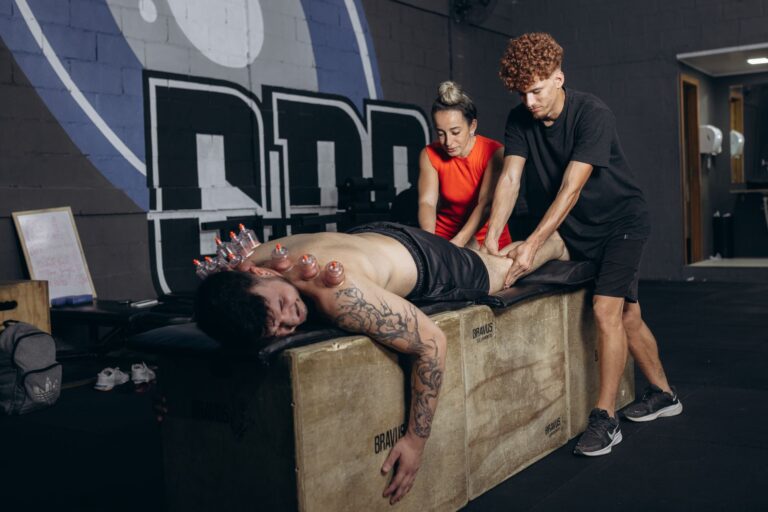
Recovery infrastructure—including cold plunge, infrared sauna, and massage therapy—further optimizes these adaptations. Cold exposure enhances recovery by reducing inflammation and improving circulation. Heat therapy increases blood flow and promotes relaxation. Professional massage addresses muscular tension and accelerates waste removal. Together, these modalities compress recovery timelines and amplify training benefits.
FAQ: Is BJJ a net positive for overall health and fitness as an adult?
Yes, absolutely. BJJ delivers comprehensive health benefits across cardiovascular fitness, strength, flexibility, body composition, and mental resilience. When trained conservatively with proper progression, the injury risk is minimal compared to the substantial health gains. Most adults experience measurable improvements in fitness markers, body composition, and quality of life within 8-12 weeks of consistent training. The key is finding a quality academy where coaching emphasizes safety, proper technique, and ego-free training.
FAQ: How quickly will I see physical results from training BJJ?
Timeline varies by individual, but most adults notice initial changes within 2-4 weeks: improved energy, better sleep, and initial cardiovascular adaptations. Visible muscle definition and significant body composition changes typically emerge within 8-12 weeks. Flexibility improvements often appear within 4-6 weeks. Strength gains develop progressively over months. The most dramatic transformations occur between months 3-6 as your body adapts neurologically and structurally to training demands. Consistency matters far more than intensity—three focused sessions weekly produces better results than sporadic intense training.
FAQ: Can adults start BJJ training with no prior fitness background?
Yes, completely. BJJ welcomes beginners of all fitness levels. The structured progression at quality academies ensures beginners develop foundational fitness before rolling intensely. You’ll start with basic movements, drilling, and positional rolling at controlled intensity. Your fitness improves rapidly during this phase, preparing your body for more demanding training. Many of the most dedicated long-term members started with minimal fitness backgrounds. The key is honest communication with your coach about your fitness level and any physical limitations, allowing them to scale training appropriately.