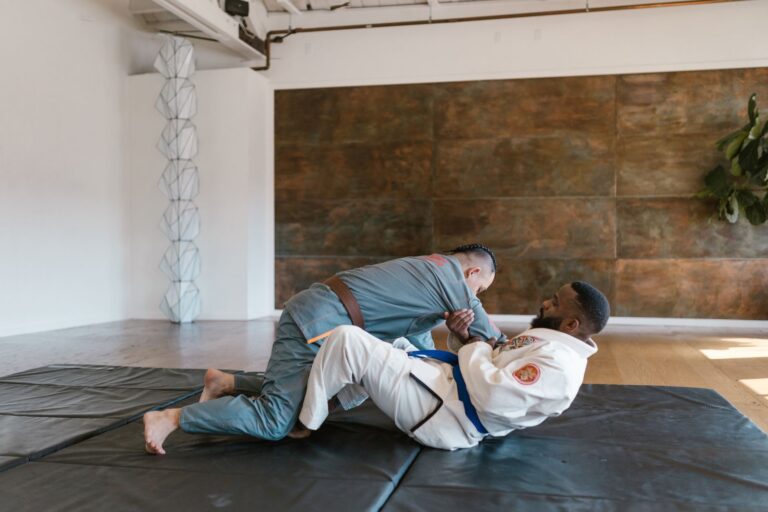
Is BJJ good for adults over 40? The short answer is yes—and the evidence keeps growing. Brazilian Jiu-Jitsu has become one of the most accessible and effective martial arts for older adults, offering a low-impact way to build strength, flexibility, and mental resilience without the joint stress of striking sports. Unlike kickboxing or Muay Thai, BJJ relies on technique and leverage rather than speed and power, which means your experience and problem-solving skills actually become advantages as you age.
At Trein Club in Houston, we’ve trained hundreds of adults over 40 who came in skeptical and left transformed. Many arrive thinking they’re “too old” or “too out of shape,” only to discover that BJJ meets you exactly where you are. The beauty of grappling is that it scales perfectly—you control the intensity, the pace, and the risk. Whether you’re recovering from an injury, managing stress from a demanding career, or simply looking for a community that values progress over ego, Brazilian Jiu-Jitsu delivers results that extend far beyond the mat.
The real question isn’t whether BJJ is good for adults over 40. It’s whether you’re ready to experience what thousands of older practitioners already know: that your best years of growth might be ahead of you.
Is BJJ Good for Adults Over 40? A Comprehensive Guide
Brazilian Jiu-Jitsu has long been dismissed as a sport exclusively for younger athletes, yet the reality tells a different story. Adults over 40 are discovering that this martial art delivers remarkable physical, mental, and social benefits—and many are excelling on the mat. The secret lies in training intelligently, honoring your body’s requirements while building strength, flexibility, and resilience that rivals conventional fitness programs.
At Trein Club in Houston, we’ve worked with hundreds of practitioners over 40, ranging from complete beginners to competitive athletes. Their experiences demonstrate that age is not a limitation to BJJ—it’s simply a factor that demands smart programming, qualified instruction, and a community that prioritizes progress over ego.
Key Health Benefits of BJJ for Adults Over 40
Brazilian Jiu-Jitsu delivers comprehensive health advantages specifically tailored to midlife and later-life needs. Unlike high-impact cardio or heavy strength training, it integrates controlled resistance work, cardiovascular conditioning, and mobility training into a single practice.
- Cardiovascular health: Rolling (sparring) elevates heart rate sustainably without the joint stress inherent in running or plyometrics.
- Metabolic improvement: Training increases insulin sensitivity and helps regulate blood sugar—critical factors for metabolic wellness during midlife and beyond.
- Bone density: The resistance and dynamic loading stimulate osteoblasts, supporting skeletal health as age-related bone loss accelerates.
- Functional movement patterns: The sport trains practical movements: rising from the ground, maintaining balance under pressure, and generating power through core engagement.
- Hormonal regulation: Consistent training supports healthy testosterone levels, cortisol management, and growth hormone production.
Physical Fitness and Strength Improvements
Many adults over 40 worry that BJJ might diminish rather than enhance their physical condition. When properly structured, the opposite occurs. The sport builds functional strength in ways isolated gym work cannot replicate.
Brazilian Jiu-Jitsu excels at building muscle and strength, benefiting practitioners across all age groups. A training partner provides dynamic, multi-directional resistance that engages stabilizer muscles, improves joint stability, and develops lean muscle tissue.
Grip strength, core stability, leg drive, and posterior chain development emerge naturally from consistent practice. Many practitioners over 40 report improved posture, decreased back pain, and enhanced mobility—particularly in the hips and shoulders, areas prone to stiffness with advancing age.
The advantage for older adults is that strength develops without the inflammation and joint stress of heavy barbell work. Your training partner provides variable resistance, allowing your body to work within safe parameters while still triggering physiological adaptation.
Mental Health and Cognitive Benefits
The psychological advantages of BJJ for adults over 40 are substantial and frequently overlooked. The sport demands intense concentration, strategic thinking, and problem-solving under challenging conditions—essentially a comprehensive cognitive workout.
- Stress reduction: The immersive quality of rolling demands present-moment awareness, quieting the rumination that often accompanies midlife pressures.
- Anxiety management: Controlled exposure to challenging situations builds resilience and reduces overall anxiety levels.
- Cognitive preservation: Complex motor patterns and tactical decision-making stimulate neuroplasticity, supporting mental acuity as you age.
- Confidence and self-efficacy: Mastering techniques and progressing through belt ranks restores confidence and sense of personal capability.
- Depression resilience: The combination of physical exertion, social engagement, and achievement creates powerful protective factors against depression.
Unlike passive stress relief, BJJ actively engages mind and body simultaneously, creating a form of moving meditation that leaves practitioners feeling mentally clear and emotionally balanced.
Low-Impact Training Methods for Older Practitioners
The belief that BJJ is inherently high-impact for aging joints often stems from observing elite competitors or unstructured rolling sessions. Thoughtful programming for adults over 40 emphasizes sustainability over intensity.
Low-impact training methods include:
- Positional drilling: Repetitive practice of specific positions and transitions without full-intensity rolling, building motor memory and strength with minimal joint stress.
- Controlled rolling: Rolling at 50-70% intensity with experienced partners who understand pacing and pressure management.
- Technique-focused classes: Sessions emphasizing movement quality and problem-solving rather than explosive power.
- Strength and mobility work: Complementary training that addresses imbalances and prepares joints for BJJ demands.
- Recovery integration: Scheduled rest days, mobility sessions, and recovery modalities like cold plunge and infrared sauna—amenities that Trein Club provides in-house.
The critical point: BJJ itself is not inherently risky for older adults. Poor programming, ego-driven training, and inadequate recovery are the actual culprits. When structured thoughtfully, BJJ becomes one of the safest and most effective long-term fitness pursuits available.
Injury Prevention and Safe Training Practices
Adults over 40 can train BJJ safely by adhering to evidence-based injury prevention strategies. Most injuries stem from poor technique, excessive intensity, inadequate recovery, or training through pain—all preventable with proper instruction and self-awareness.
Pre-training assessment: Begin with an honest evaluation of your movement quality, existing injuries, and limitations. Communicate these clearly to your coach so they can adjust your training appropriately.
Tap early and often: Tapping is not failure—it’s communication. Tap to submissions before they’re fully locked, tap to positional pressure, tap to any discomfort. Your training partners should respect this completely.
Warm-up and mobility: Dedicate 10-15 minutes to joint mobility and movement preparation. Cold, stiff joints are injury-prone joints. Focus on shoulder, hip, and ankle mobility.
Technique before intensity: Master positions and transitions at controlled speeds before adding intensity. A 40+ year old who moves with precision will outperform a younger athlete moving recklessly.
Progressive overload: Increase training volume and intensity gradually. Add one extra training session per week, not three. Extend rolling time by 2-3 minutes, not 10.
Recovery prioritization: Sleep, nutrition, and stress management are non-negotiable. BJJ is the stimulus; recovery is where adaptation happens.
Partner selection: Train regularly with partners who understand your age and goals. Experienced training partners who’ve trained for decades themselves are invaluable mentors and safe rolling partners.
Starting BJJ as a Beginner Over 40
The first question most adults over 40 ask is: “Will I look foolish?” The honest answer: everyone looks foolish when learning BJJ. The difference is that experienced practitioners—and especially older beginners—progress faster because they bring maturity, patience, and realistic expectations.
Beginning BJJ over 40 requires a specific mindset shift. You’re not competing with 25-year-olds. You’re competing with yourself—your flexibility from last month, your technique from last week, your understanding today versus yesterday.
Find the right academy: Not all BJJ schools are created equal. Seek an academy like Trein Club that explicitly welcomes older beginners, has coaches experienced with adult students, and maintains an ego-free environment. The culture of your academy determines your experience more than any other factor.
Communicate your goals: Tell your coach you’re over 40, what your physical limitations are, and what you hope to achieve. Maybe you want to compete, maybe you want fitness and community. Your coach can tailor the experience accordingly.
Accept the beginner phase: You will be submitted repeatedly. You will feel confused. This is universal and temporary. By month three, patterns emerge. By month six, you’ll be surprising yourself. By year one, you’ll wonder why you didn’t start sooner.
Start with fundamentals classes: Many academies offer fundamentals-focused classes specifically for beginners. These move slower, repeat foundational techniques, and allow you to build confidence without being thrown into advanced rolling.
Invest in proper equipment: A quality gi (uniform), rashguard, and mouthguard are non-negotiable. Proper gear reduces friction injuries and sets a professional tone for your training.
Real Success Stories: Adults Who Started BJJ After 40
The most compelling evidence that BJJ works for adults over 40 comes from practitioners themselves. Across Trein Club and academies worldwide, adults over 40 are achieving remarkable transformations.
The business owner who reclaimed his health: A 52-year-old executive spent 20 years in a sedentary career, dealing with chronic back pain, poor sleep, and declining fitness. After six months of consistent training, his back pain resolved, he lost 18 pounds of fat while gaining muscle, and his sleep improved dramatically. Two years later, he’s competing in local tournaments in the masters division.
The comeback athlete: A 47-year-old former college wrestler hadn’t trained in 15 years. BJJ reignited his competitive fire with a sport that valued experience and technique over pure athleticism. Within 18 months, he earned his blue belt and competed in IBJJF tournaments, discovering that his wrestling foundation accelerated his progression.
The mobility transformation: A 58-year-old woman with limited hip mobility and arthritis concerns started training to stay active. Her coach emphasized controlled movements and mobility work. After a year, her hip mobility improved 40%, her arthritis pain decreased, and she developed genuine strength she hadn’t possessed in decades.
The social reconnection: A 44-year-old who’d been isolated post-divorce found community on the mat. Training provided structure, purpose, and a tribe of people with shared values. The fitness benefits were real, but the social transformation was life-changing.
These aren’t exceptional cases. They’re representative of what happens when adults over 40 train consistently in a supportive environment.
Best Practices and Training Modifications for 40+ Athletes
Optimizing BJJ for adults over 40 requires specific modifications that respect age-related physiology while maintaining training effectiveness.
Training frequency: Three sessions per week is optimal for most adults over 40. This provides sufficient stimulus for adaptation while allowing recovery. Some train four days weekly; few benefit from five or more without compromising recovery.
Session structure: A typical session should include 10-15 minutes of mobility and warm-up, 30-40 minutes of technique instruction and drilling, and 15-20 minutes of controlled rolling. This ratio prioritizes learning and safety over pure intensity.
Rolling intensity: Maintain 60-75% intensity during rolling. You should be breathing hard but able to speak. If you’re gasping for air, you’re training too hard. Controlled rolling builds skill faster than chaotic intensity anyway.
Position-specific training: Rather than rolling from neutral every session, spend time drilling from specific positions (guard, side control, mount). This builds positional mastery without the full-body fatigue of constant rolling.
Complementary training: One or two weekly sessions of strength and conditioning, yoga, or mobility work dramatically improve performance and reduce injury risk. Trein Club’s integrated approach—combining BJJ with yoga, strength training, and recovery services—reflects this understanding.
Technique selection: Prioritize techniques that leverage positioning and timing over explosive power. Leg lock systems, positional control, and submission chains from dominant positions suit older practitioners better than high-amplitude throws or explosive takedowns.
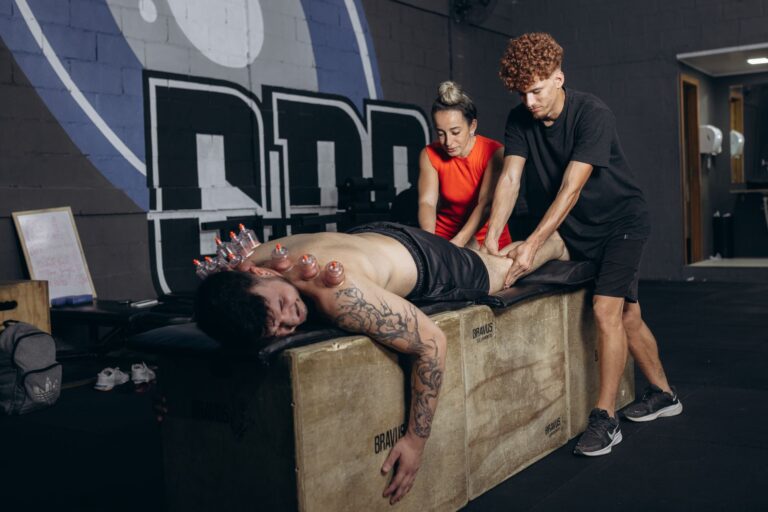
Recovery modalities: Cold plunge, infrared sauna, massage therapy, and strategic rest days are not luxuries—they’re essential infrastructure for sustainable training. They accelerate recovery, reduce inflammation, and support long-term progression.
Nutrition and hydration: Older athletes often underestimate nutritional needs. Adequate protein (1.6-2.2g per kg bodyweight), hydration, and micronutrient density support muscle retention and recovery.
Competing in BJJ Tournaments Over 40
Competition over 40 is not only possible—it’s thriving. IBJJF (International Brazilian Jiu-Jitsu Federation) hosts masters divisions with age categories: masters 1 (40-45), masters 2 (45-50), masters 3 (50-55), masters 4 (55-60), and beyond. These divisions attract serious competitors, many of whom only started BJJ in their 40s.
Understanding IBJJF competitions and how they work is essential if you’re considering competing. Masters divisions follow the same ruleset as younger divisions but with modifications: certain techniques are restricted for safety reasons (heel hooks are limited in older age brackets), and the pace reflects the division’s philosophy of technical excellence over explosive athleticism.
Why compete over 40? Competition provides structure, motivation, and accountability. It transforms training from vague fitness into specific preparation. Many practitioners discover they perform better under pressure than they expected, rebuilding confidence and self-image.
Preparation for competition: Begin competition training 8-12 weeks before your target event. Increase rolling frequency slightly, emphasize your strongest techniques, and practice specific scenarios you’ll face. Mental preparation—visualization, breathing work, and competition experience—matters as much as technical drilling.
Realistic expectations: Your first competition might be humbling. That’s normal. The value isn’t winning; it’s testing yourself, discovering capabilities, and joining the global community of competitive BJJ practitioners. Many 40+ competitors find the masters divisions provide ideal competition levels—serious athletes without the extreme intensity of younger divisions.
Community and Social Benefits
Perhaps the most underrated benefit of BJJ for adults over 40 is community. The sport creates genuine connection in an era of increasing isolation.
Training partners become friends. You spend intimate time with people—literally close enough to feel their breath—working toward shared goals. You celebrate their promotions, support their competition attempts, and learn from their experiences. The ego-free environment that characterizes quality BJJ academies means you’re building relationships based on mutual respect rather than hierarchy or competition.
For many adults over 40, BJJ fills a void created by career focus, family demands, or life transitions. It provides identity, purpose, and belonging. You become part of a tribe that values growth, resilience, and continuous improvement—values that extend beyond the mat into how you approach life.
This social dimension has measurable health impacts. Community connection reduces mortality risk, supports mental health, and increases longevity. BJJ doesn’t just make you stronger and more flexible; it connects you to people who care about your progress.
FAQ: Is it too late to start Brazilian Jiu-Jitsu at 40?
No. You have decades of training ahead of you. Many respected BJJ practitioners started in their 40s, 50s, or even 60s. Age brings maturity, patience, and self-awareness that accelerate learning. Your younger competitors might have speed and explosiveness, but you have wisdom and perspective. These are often more valuable in BJJ than youth.
FAQ: What are the main injury risks for BJJ practitioners over 40?
The most common injuries—shoulder impingement, knee ligament stress, lower back strain—are typically preventable through proper technique, adequate recovery, and knowing when to tap. Training with ego, ignoring pain signals, inadequate warm-up, and insufficient recovery are the primary risk factors, not age itself. Older practitioners who train smart experience fewer injuries than younger athletes training recklessly.
FAQ: How often should adults over 40 train BJJ?
Three to four sessions per week is optimal for most adults over 40. This provides sufficient training stimulus for strength and skill development while allowing adequate recovery. Some train twice weekly with excellent results; few benefit from five or more sessions weekly without compromising recovery and increasing injury risk. Quality matters more than quantity.
FAQ: Can you compete in BJJ tournaments if you’re over 40?
Absolutely. IBJJF sanctions masters divisions specifically for older competitors, with age categories spanning 40+ to 60+. Thousands of adults over 40 compete annually. Competition is optional—many practitioners train purely for fitness and community—but it’s absolutely available and actively pursued by serious older athletes.
FAQ: What techniques are best suited for older BJJ practitioners?
Techniques emphasizing position, timing, and leverage over explosive power work best for older practitioners. Guard retention, positional control, leg lock systems, and submission chains from dominant positions suit older bodies better than high-amplitude throws, explosive takedowns, or techniques requiring extreme flexibility. Your coach can help identify techniques that align with your body’s strengths and limitations.
FAQ: How long does it take to achieve a belt promotion in BJJ after 40?
Promotion timelines depend on training frequency, technique quality, and individual progression—not age. Most consistent practitioners earn their blue belt (first rank after white belt) within 12-18 months. Subsequent promotions typically require 1.5-3 years at each belt level. Some 40+ practitioners progress faster than younger athletes due to maturity and training intelligence. Your coach determines promotion based on demonstrated technical competence and understanding, not age.