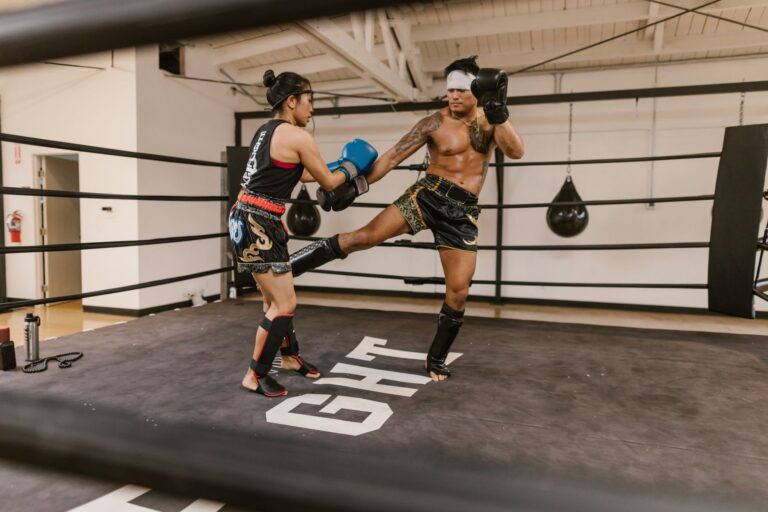
If you’re curious about how much does Muay Thai lessons cost, you’re probably weighing whether striking training fits your budget and lifestyle. Prices vary widely depending on where you train—from budget chain gyms to specialized striking academies—but what matters most is what you actually get for your investment. At Trein Club in Houston, our Muay Thai program blends kickboxing, Muay Thai, and boxing into a comprehensive striking curriculum taught by experienced instructors in a 19,000-square-foot facility designed for serious training and genuine community. Whether you’re looking for self-defense fundamentals, sport-focused pad work and sparring, or stand-up skills to complement your grappling, the cost reflects the quality of instruction, the environment you train in, and the results you’ll see.
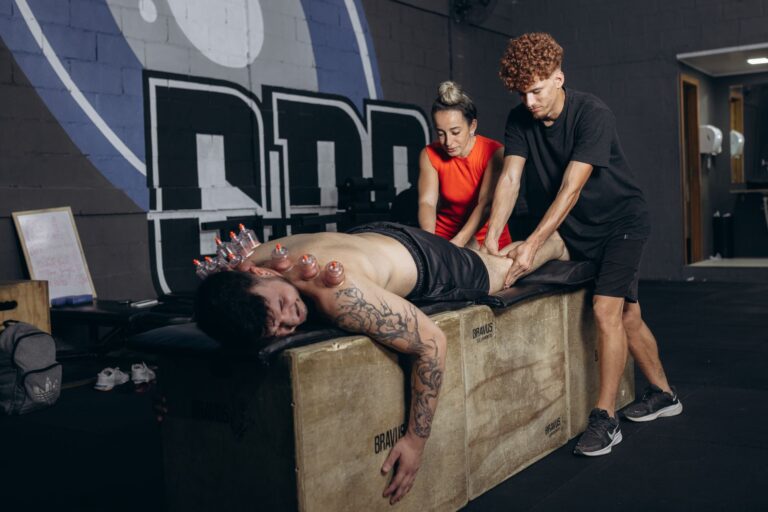
Rather than comparing price tags alone, consider what a premium striking program actually delivers: proper technique that prevents injury, coaching that adapts to your level, access to recovery services that keep you healthy, and a culture where you actually want to show up. At Trein Club, striking classes sit alongside world-class Brazilian Jiu-Jitsu, yoga, strength and conditioning, and recovery—all under one roof. This integrated approach means your investment goes further and your progress compounds across multiple disciplines.
How Much Do Muay Thai Lessons Cost? A Complete Price Breakdown
The price of Muay Thai lessons swings widely depending on where you train, how you train, and who’s holding the pads. In the United States, expect anything from $20 for a single drop-in to $250+ monthly for an unlimited membership at a high-end gym. One-on-one sessions push the figure higher, usually landing between $60 and $150 per hour. Fly to Thailand — the birthplace of the art — and the math flips entirely: twice-daily training, six days a week, for as little as $300 to $500 a month, food and lodging not included.
Raw numbers, however, tell only half the story. What you actually pay reflects coaching quality, the size and culture of the gym, the equipment provided, and whether striking comes bundled with other disciplines such as Brazilian Jiu-Jitsu, strength and conditioning, or recovery services. Below is a complete breakdown so you can budget realistically — whether you’re a beginner in Houston curious about a first trial class or a dedicated student planning a month-long camp in Phuket.
Average Cost of Muay Thai Classes in the USA and Western Countries
Across the U.S., Canada, the U.K., and Australia, Muay Thai pricing tends to follow a predictable structure built around three formats: pay-per-class drop-ins, monthly memberships, and private lessons. Rates scale with the city — Los Angeles, New York, Toronto, and London charge more than mid-sized markets — and with the type of facility, from a stripped-down warehouse gym to a boutique combat sports studio with showers, recovery amenities, and full curriculums.
Group Class Prices: What to Expect Per Session and Per Month
Group classes are the entry point for most students. In the U.S., a single drop-in usually costs $20 to $35, while a 10-class pack lands in the $150–$250 range. Monthly unlimited group memberships average $120 to $200 at standard gyms and $180 to $280 at premium combat sports clubs. Group training is the most cost-effective way to build conditioning consistently and absorb the rhythm of the sport through repetition with partners of varying sizes and skill levels.
Private Muay Thai Lesson Costs vs. Group Classes
Private sessions are where pricing climbs sharply — and where progress accelerates fastest. A one-hour private with a qualified coach generally runs $60 to $100, while elite instructors and former pros charge $120 to $200+ per hour. The trade-off is real: undivided attention, customized drilling, and immediate technical correction. For a deeper look at when one-on-ones are worth it, see our guide on private lesson costs.
Monthly Membership Fees at Muay Thai Gyms: Budget vs. Premium
- Budget gyms ($80–$130/month): Basic facilities, fewer weekly class options, often striking-only.
- Mid-tier gyms ($130–$200/month): Solid class schedule, experienced coaching, decent equipment, sometimes shared with BJJ or MMA programs.
- Premium gyms ($200–$300+/month): Multiple disciplines under one roof, recovery amenities, showers, smaller class ratios, world-class instructors.
At higher tiers, value compounds when striking is bundled with disciplines like Brazilian Jiu-Jitsu, yoga, and strength training — letting you build a complete movement practice instead of juggling separate memberships at three different facilities.
Cost of Muay Thai Lessons in Thailand
Thailand remains the gold standard for immersive Muay Thai training. Camps run twice-daily sessions led by former Lumpinee and Rajadamnern stadium fighters, and the price-per-hour ratio is unmatched anywhere else on earth. The catch? You need time and a plane ticket.
Training Prices at Top Camps in Phuket, Bangkok, and Chiang Mai
At well-known camps like Tiger Muay Thai (Phuket), Sitmonchai (Kanchanaburi), or Sinbi Muay Thai, a single session costs roughly 400–600 baht ($12–$18). Bangkok gyms skew slightly more expensive due to location, while Chiang Mai and rural camps tend to be cheaper. Most camps grant access to two sessions per day — morning and afternoon — within their package pricing.
Daily, Weekly, and Monthly Training Packages in Thailand
- Drop-in single session: $12–$20
- Weekly unlimited: $90–$150
- Monthly unlimited: $300–$500
- Three-month package: $800–$1,300
Many camps also offer on-site accommodation packages that bundle a room, all training sessions, and sometimes meals — convenient if you want a turnkey experience.
Training and Living Costs Combined: What to Budget for a Thailand Trip
For a realistic one-month training trip, plan on roughly $1,500 to $2,500 total, excluding flights. That covers training ($400), accommodation ($300–$700 depending on whether you pick a shared bungalow or a private studio), food ($300–$500 — Thai street food is famously affordable), local transport, and incidentals. Phuket and Bangkok sit at the higher end; smaller towns and Chiang Mai run cheaper. Add $800–$1,500 for round-trip flights from North America or Europe.
Factors That Affect the Price of Muay Thai Lessons
Location: Urban Gyms vs. Suburban Gyms vs. Thailand Camps
Real estate dictates pricing more than most students realize. A gym in Manhattan or downtown Los Angeles carries rent that shows up in $250+ monthly memberships, while a suburban gym in Texas, Ohio, or Arizona may offer comparable coaching for $140. Thailand undercuts both because labor and overhead are dramatically lower — and the sport is woven into daily life.
Instructor Experience and Gym Reputation
Coaching pedigree drives price. A gym led by former professional fighters, world champions, or coaches who have produced title holders commands a premium. The same logic applies across martial arts — see Alex Pereira’s striking foundation and Andrew Tate’s kickboxing path. World-class instruction is rarely the cheapest option, but it’s almost always the highest-value one.
Class Format: Group, Semi-Private, or One-on-One
Format directly affects the coach-to-student ratio. Group classes (10–25 students per coach) keep costs low. Semi-private sessions (2–4 students sharing a coach) typically run $40–$70 per person and offer a middle ground. One-on-ones cost the most but accelerate progress fastest, especially for beginners who need fundamentals locked in or fighters preparing for competition.
Membership Type: Drop-In, Monthly, or Annual Contracts
Drop-ins offer flexibility at the highest per-class rate. Monthly memberships reward consistency. Annual or six-month contracts typically save 15–25% off the monthly rate but lock you in — a poor fit for travelers, shift workers, or anyone unsure whether the gym culture is right for them. Always test a gym with a trial week before signing anything long-term.
Muay Thai Equipment Costs: What You Need to Budget Beyond Lessons
Essential Gear for Beginners and How Much It Costs
- Hand wraps: $8–$15
- Boxing/Muay Thai gloves (14–16oz): $50–$150
- Shin guards: $50–$120
- Mouthguard: $10–$30
- Muay Thai shorts: $25–$60
- Jump rope: $10–$25
A complete beginner setup runs $150 to $400. Most gyms will let you borrow gear for your first few sessions, so you can confirm you enjoy the sport before investing. If you’re brand new, our guide on starting kickboxing training walks through the first-month essentials.
Buying Equipment in Thailand vs. Your Home Country
Authentic brands like Fairtex, Twins, Yokkao, and Top King are produced in Thailand and sold at a significant discount on home turf — often 40–60% cheaper than the same gear shipped to the U.S. or Europe. If you’re already planning a Thailand trip, leave room in your luggage and pick up gloves, shin guards, and shorts on-site. The quality is identical to what you’d pay full retail for at home.
Is Muay Thai Worth the Cost? Value Compared to Other Martial Arts
Muay Thai delivers an unusually high return on investment: full-body conditioning, real self-defense skills, stress relief, and a community that keeps you accountable. Compared to a generic commercial gym membership where most people quit within 90 days, a structured striking program produces visible results — strength, leanness, confidence — within weeks.
Muay Thai vs. BJJ Monthly Costs: Which Is More Affordable?
BJJ and Muay Thai are priced similarly in most U.S. markets — typically $150–$220 per month at quality gyms. The smartest financial move is finding a club that offers both under one membership, since cross-training strikes and grappling builds a far more complete fighter and athlete. If you’re curious about the grappling side, start with what Brazilian Jiu-Jitsu is and the physical benefits of training BJJ as an adult.
Muay Thai vs. Kickboxing Lesson Prices
Cardio kickboxing classes at chain fitness studios cost less ($15–$25 per class) but rarely teach real technique or self-defense. Authentic kickboxing and Muay Thai gyms are priced almost identically, and the curriculum overlaps heavily. The decisive factor is coaching quality, not the name on the door.
How to Find Affordable Muay Thai Classes Near You
Tips for Negotiating Gym Memberships and Getting Discounts
- Ask about family discounts — many gyms reduce per-person rates when a parent and child both train.
- Check for student, military, and first responder discounts, which often shave 10–20% off.
- Inquire about off-peak memberships if you can train mid-day or early morning.
- Pay quarterly or annually upfront to lock in a lower monthly rate.
- Bundle disciplines: gyms that offer striking, BJJ, and yoga often have a single all-access membership that’s cheaper than two separate ones.
Free Trials, Intro Offers, and Community Gym Options
Never commit to a gym you haven’t tried. Most reputable clubs offer a free first class or a discounted multi-class trial — a much better way to evaluate coaching, culture, and cleanliness than reading reviews. At Trein Club in Houston, for example, you can experience three classes before you commit across striking, jiu-jitsu, yoga, or kids’ programs, so you know exactly what you’re paying for before you sign up.
Frequently Asked Questions
How much does a single Muay Thai class cost on average?
In the U.S., a single drop-in Muay Thai class typically costs $20 to $35. Premium boutique gyms in major cities may charge up to $40, while smaller suburban gyms can run as low as $15. In Thailand, a single session costs roughly $12–$18.
How much does a monthly Muay Thai membership cost?
Monthly unlimited memberships average $120–$200 in the U.S., with budget gyms starting around $80 and premium combat sports clubs reaching $250–$300. Most include unlimited group classes; private sessions are billed separately.
How much do Muay Thai lessons cost in Thailand compared to the USA?
Training in Thailand is roughly 50–70% cheaper per session than in the U.S., and you typically get two sessions per day under camp packages. A month of unlimited training in Thailand ($300–$500) often costs less than a single month at a premium U.S. gym.
Are private Muay Thai lessons worth the extra cost?
For most beginners, one to two private lessons per month dramatically accelerate progress — you build clean fundamentals, fix bad habits early, and gain confidence to participate fully in group classes. For competitors or anyone preparing for a fight, privates are essential. For casual fitness students, group classes alone are sufficient.
How much should a beginner budget for Muay Thai including gear?
A realistic beginner budget for the first three months is $600 to $1,000: roughly $450–$600 for membership and $150–$400 for essential gear (gloves, shin guards, wraps, mouthguard, shorts). After the initial gear investment, ongoing costs are just your membership.
Is it cheaper to train Muay Thai in Thailand than in Western countries?
Yes — significantly. Even accounting for flights, a month-long training trip to Thailand often costs the same or less than three months of membership at a premium Western gym, while delivering twice-daily training with elite Thai coaches. For students who can take the time off, it’s both an unbeatable value and an unforgettable experience.
How much does it cost to train and live in Thailand for one month?
Budget roughly $1,500–$2,500 for a month in Thailand, excluding international flights. That covers unlimited training ($400), accommodation ($300–$700), food ($300–$500), local transport, and incidentals. Adding round-trip flights from North America or Europe brings the all-in total to roughly $2,500–$4,000.