Learning how to do contrast therapy with sauna and cold plunge is one of the most effective recovery strategies for martial artists, athletes, and anyone serious about optimizing their training results. This alternating hot-and-cold approach—moving between heat exposure and ice-cold immersion—triggers powerful physiological adaptations that reduce inflammation, accelerate muscle recovery, enhance circulation, and build mental resilience. Whether you’re recovering from intense Brazilian Jiu-Jitsu sessions, strength training, or striking work, contrast therapy has become a cornerstone of elite performance protocols.
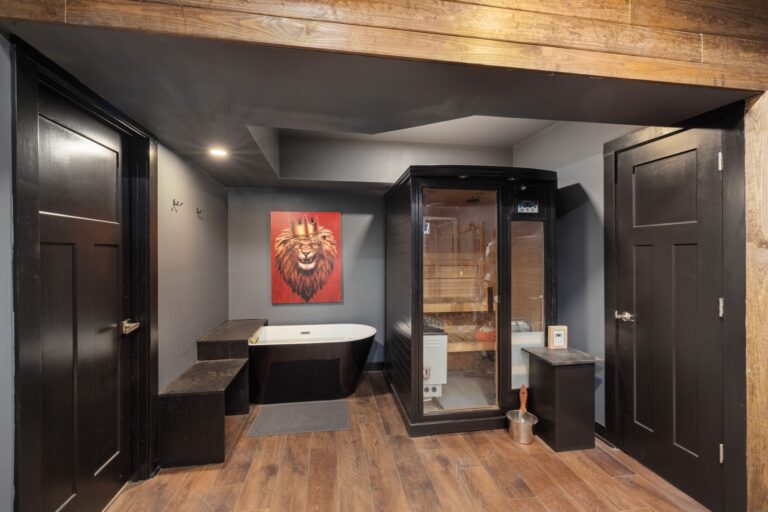
At Trein Club in Houston, contrast therapy isn’t an afterthought or luxury add-on—it’s treated with the same intentionality and expertise as the training itself. Our recovery lounge features both infrared sauna and cold plunge facilities, integrated into a holistic wellness model where recovery is recognized as essential to growth. Founded by 4x Jiu-Jitsu World Champion Pedro Araujo, Trein Club combines championship-level instruction with premium recovery services under one roof, reflecting our philosophy that true progress requires balancing intense training with intelligent recovery.
This guide walks you through the science, the proper technique, and the practical steps to safely and effectively implement contrast therapy into your routine—whether you’re training at home or at a dedicated wellness facility.
What Is Contrast Therapy with Sauna and Cold Plunge?
Contrast therapy is a recovery method built on a simple but powerful idea: shifting your body between extreme heat and extreme cold to trigger fast vascular, hormonal, and neurological adaptations. Inside a sauna, blood vessels dilate, your heart rate climbs, and blood is pushed toward the skin to shed heat. The moment you drop into a cold plunge, those same vessels clamp down hard, blood rushes back toward your core and vital organs, and your nervous system releases a flood of norepinephrine and dopamine. Cycling between the two turns your circulatory system into a pump, flushing metabolic waste out of fatigued muscles and replacing it with fresh, oxygenated blood.
For athletes — especially those training combat sports like Brazilian Jiu-Jitsu, Muay Thai, or boxing — contrast therapy has become one of the most efficient tools for easing soreness, calming the nervous system after hard rolls, and getting back on the mats sooner. You don’t need to compete to benefit, though. Office workers dealing with chronic stress, parents juggling nonstop schedules, and anyone chasing a natural mood and energy lift can use the same protocols to feel dramatically better in 20 to 30 minutes.
How to Do Contrast Therapy: Step-by-Step Protocol for Beginners
If you’ve never tried contrast therapy, the biggest mistake is copying what you see online — marathon ice baths, extreme temperatures, aggressive rounds. The body needs a graduated introduction. What follows is a beginner-friendly sequence that delivers real benefits without overloading your nervous system.
Step 1 – Heat Phase: How Long to Stay in the Sauna
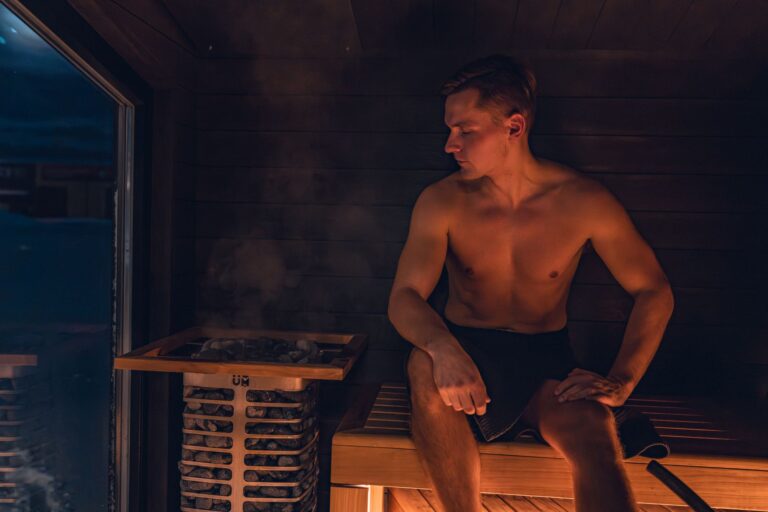
Start in a traditional or infrared sauna for 10 to 15 minutes. The goal is to reach a state where you’re sweating heavily, your heart rate is elevated (roughly 100–130 bpm), and you feel a slight urgency to step out. If you’re using an infrared unit, aim for the longer end since the ambient temperature is lower but tissue penetration goes deeper. Curious about the science on the heat side? Explore the benefits of infrared sauna to understand why the sweat you produce here is qualitatively different from workout sweat.
Step 2 – Transition: How Quickly to Move from Sauna to Cold Plunge
Move quickly — but not recklessly. The ideal transition window is 30 to 60 seconds. Take a brief moment to rinse off sweat with a cool shower if one’s available, breathe deeply, and prepare mentally. Don’t linger five minutes on a bench cooling down; the whole point is that your body is still in a heat-dilated state when the cold hits. That contrast is what drives the vascular pump.
Step 3 – Cold Phase: Ideal Cold Plunge Temperature and Duration
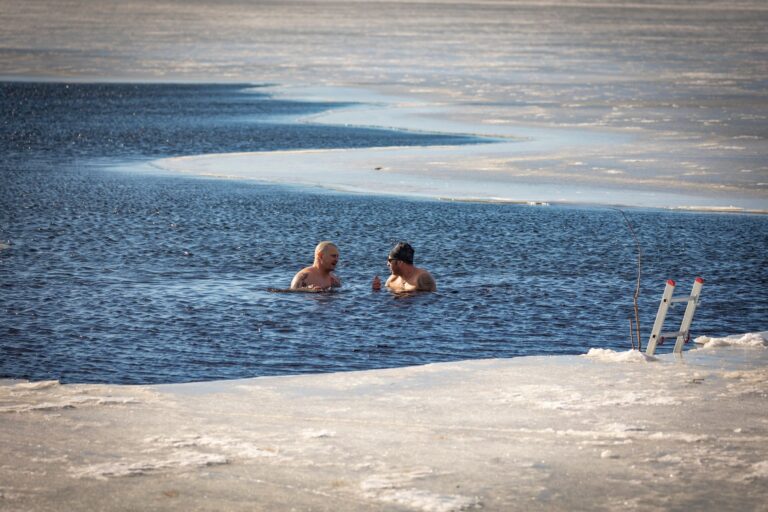
Enter a cold plunge set between 45°F and 55°F (7°C–13°C) and stay submerged up to the shoulders for 1 to 3 minutes. Beginners should start closer to 55°F for 60 seconds and build tolerance from there. Focus on slow nasal breathing — long inhales, even longer exhales — to override the initial gasp reflex. If the cold side is new to you, review what cold plunge therapy actually does to your nervous system before your first attempt.
Step 4 – How Many Rounds to Complete per Session
A full contrast therapy session typically runs 3 rounds. That means: sauna → cold → sauna → cold → sauna → cold. Beginners can begin with 2 rounds and add a third once the sequence feels manageable. More is not better. Six or seven rounds don’t produce proportional benefits and can leave your nervous system frayed rather than restored.
Step 5 – How to End Your Session (Heat or Cold Last?)
This depends entirely on your goal. Ending on cold sharpens focus, elevates dopamine for hours, and works best for morning sessions or pre-work performance. Ending on heat is more parasympathetic — calming, sleep-promoting, and better suited to evening sessions after training. Most performance-oriented protocols finish cold; most stress-relief protocols finish warm.
Recommended Contrast Therapy Protocols by Goal
Protocol for Muscle Recovery and Soreness Relief
For post-training recovery, use a 3:1 heat-to-cold ratio: 15 minutes sauna → 1 minute cold plunge, repeated 3 times, ending on cold. This clears lactate and inflammatory byproducts from muscle tissue. Do it within 4 hours of your session for maximum effect. Pair it with intentional mobility work the following day and you’ll notice a sharp reduction in next-day stiffness.
Protocol for Stress Relief and Mental Health
Use longer, gentler exposures: 15 minutes sauna → 90 seconds cold at a milder 55°F, repeated 2 to 3 times, ending on heat. The extended warmth engages your parasympathetic nervous system, while the short cold exposures release dopamine without spiking cortisol excessively. This approach fits people carrying chronic tension from work or family demands.
Protocol for Circulation and Cardiovascular Health
Shorter, more frequent cycles work best here: 8–10 minutes sauna → 1 minute cold, repeated 4 rounds. The aim is maximum vascular pumping. Think of it as cardio for your blood vessels — you’re training endothelial responsiveness the same way sprints train muscle fibers.
Protocol for Energy, Focus, and Performance
Use a shorter, sharper cycle in the morning: 10 minutes sauna → 2 minutes cold at 45°F, 2 rounds, ending on cold. This produces a norepinephrine spike that lasts 3 to 5 hours, delivering clean, sustained alertness — far more stable than caffeine alone.
Optimal Sauna and Cold Plunge Temperatures for Contrast Therapy
The sweet spot for a traditional Finnish-style sauna is 170°F–195°F (77°C–90°C). For infrared saunas, the ambient temperature is lower — usually 120°F–150°F — but the infrared wavelengths heat tissue directly, so the physiological response is comparable. Cold plunges should sit between 45°F and 55°F (7°C–13°C). Colder is not automatically better; below 40°F the risk of cold shock climbs steeply for beginners, and adaptation stops improving linearly. What matters most is the delta — the temperature gap between hot and cold. A 130°F+ swing between phases is what drives the vascular and hormonal cascade.
Timing Guide: How Long Each Phase Should Last
Beginner Timing Recommendations (First 2–4 Weeks)
For your first month: 8–10 minutes in the sauna, 30–60 seconds in the cold plunge, 2 rounds total. Prioritize consistency over duration. Two or three sessions per week at moderate intensity will produce better results than one heroic session that leaves you dreading the next.
Intermediate and Advanced Timing Adjustments
After a month of consistent practice, extend to 12–15 minutes in the sauna and 2–3 minutes in the cold, with 3 full rounds. Advanced practitioners — often competitive athletes — sometimes push cold exposure to 4 minutes at 45°F, but this is unnecessary for most people and should never be your starting point. Progress temperature and duration separately, never both at once.
Proven Benefits of Sauna and Cold Plunge Contrast Therapy
Accelerated Muscle Recovery and Reduced Inflammation
Contrast therapy has been shown to reduce delayed-onset muscle soreness (DOMS) by up to 40% compared to passive recovery. The heat opens capillaries and promotes nutrient delivery; the cold constricts vessels and reduces inflammatory swelling. For jiu-jitsu athletes coming off hard sparring or a competition, that can mean returning to full training a day sooner.
Improved Circulation and Cardiovascular Conditioning
The alternating vasodilation and vasoconstriction acts like resistance training for your vascular system. Studies on regular sauna users show significant reductions in cardiovascular mortality, and cold exposure independently improves endothelial function. Together, the effect compounds.
Dopamine and Mood Boost from Hot-Cold Cycling
A 2-minute cold plunge at 55°F has been shown to raise dopamine by roughly 250% for hours afterward — comparable to the mood elevation of a hard workout, without the physical toll. Combined with the endorphin release from sauna heat, contrast therapy delivers one of the most reliable natural mood interventions available.
Enhanced Lymphatic Drainage and Immune Function
Your lymphatic system has no pump of its own; it depends on muscle movement and vascular pressure changes to circulate. Contrast therapy provides exactly that pressure oscillation, accelerating lymphatic drainage and supporting immune surveillance. Regular practitioners often report fewer colds and quicker recovery from minor illnesses.
Better Sleep Quality After Contrast Therapy Sessions
Ending on heat in the evening lowers core body temperature over the following hour — precisely the physiological cue your brain uses to initiate sleep. Users consistently report deeper slow-wave sleep and fewer nighttime wake-ups after evening contrast sessions.
Safety Guidelines and Who Should Avoid Contrast Therapy
Medical Conditions That Contraindicate Contrast Therapy
Contrast therapy is not appropriate for people with uncontrolled high blood pressure, recent cardiovascular events, Raynaud’s disease, uncontrolled diabetes, or pregnancy. The rapid shifts in blood pressure and heart rate place real load on the cardiovascular system. Always consult your physician before beginning — especially if you take blood pressure medication or beta-blockers.
Hydration and Nutrition Before and After Sessions
Drink 16–20 ounces of water in the hour before your session and another 16 ounces afterward. Add electrolytes if you’re sweating heavily. Avoid heavy meals within 90 minutes of starting, and never do contrast therapy under the influence of alcohol — it severely impairs your body’s ability to regulate temperature and can trigger dangerous drops in blood pressure.
Warning Signs to Stop Immediately
Exit the sauna or cold plunge at once if you experience chest pain, severe dizziness, nausea, tingling in your limbs, uncontrollable shivering that persists after warming, or confusion. Numbness in fingers or toes during cold immersion is a signal to get out — not a badge of honor.
How Often Should You Do Contrast Therapy per Week?
For most people, 2 to 4 sessions per week is the sweet spot. Athletes in heavy training blocks may benefit from daily short protocols, while people using contrast therapy primarily for stress and mood typically do well with 3 sessions weekly. Listen to your recovery: if you feel wired, unable to sleep, or emotionally flat, you’re doing too much. The nervous system needs stimulation and rest — the same principle that governs mobility training and strength work.
Best Time of Day to Do Sauna and Cold Plunge Contrast Therapy
Morning sessions ending on cold are ideal for people wanting sustained energy, focus, and mood elevation throughout the day. The dopamine and norepinephrine release replaces or reduces the need for excessive caffeine. Evening sessions ending on heat are better for stress release and sleep support — the parasympathetic activation prepares your body for deep rest. Post-workout sessions (either time of day) work well for recovery. Avoid contrast therapy within 60 minutes of bedtime if ending on cold, since the stimulant effect can delay sleep onset.
At-Home vs. Facility Contrast Therapy: Setup and Equipment Guide
Setting Up a Home Sauna and Cold Plunge Combo
A home setup requires meaningful investment: a quality infrared sauna runs $2,000–$6,000, and a proper cold plunge unit with chiller costs $5,000–$15,000. You’ll also need adequate space, dedicated electrical circuits, and a maintenance routine for the plunge (water treatment, filter changes, chiller upkeep). The upside is convenience and unlimited access; the downside is the upfront cost and the discipline required to actually use the equipment consistently once the novelty fades.
What to Look for in a Contrast Therapy Facility or Spa
A well-designed facility removes every friction point that stops home users from being consistent. Look for: a genuine infrared or traditional sauna maintained at proper temperatures, a cold plunge held at a steady 45°F–55°F with clean, filtered water, adequate space to transition between the two safely, showers and a recovery lounge, and knowledgeable staff who can guide beginners. At Trein Club in Houston’s Oak Forest neighborhood, contrast therapy sits inside a broader recovery ecosystem — infrared sauna, cold plunge, compression therapy, breathwork, and massage — so members can build complete recovery sessions in one visit. Pair that with mat time, striking, or a yoga flow and you have every input needed to train hard and recover harder.
Common Mistakes Beginners Make with Contrast Therapy
Skipping the Warm-Up or Cool-Down Phases
Jumping straight into a 40°F plunge without any preparation is a shock the body doesn’t need. Always begin with the sauna to prime your vascular system, and finish with 5 to 10 minutes of quiet sitting — ideally with some light breathwork — to let your heart rate and blood pressure fully normalize before you drive home or return to work.
Staying Too Long in Extreme Temperatures
More time in the sauna does not mean more benefit; it means more dehydration and cardiovascular strain. Staying in the cold beyond 3 minutes yields diminishing returns and raises the risk of hypothermia and afterdrop — where core temperature continues falling after you exit the water. Respect the protocol. Contrast therapy rewards intelligent consistency, not endurance heroics. Approach it the way you’d approach any long-term practice: with intention, patience, and the same discipline that makes training on the mats or building a mobility routine pay off over months and years, not days.