Yes, you can absolutely train BJJ if you are out of shape—in fact, Brazilian Jiu-Jitsu is one of the most effective ways to build fitness from wherever you’re starting. Many people assume they need to be athletic or conditioned before stepping on the mats, but that’s a common misconception. BJJ academies, especially beginner-focused programs, are designed to scale intensity to your current fitness level, allowing you to improve gradually while learning technique that doesn’t depend on strength alone.
At Trein Club in Houston, our approach prioritizes technique and fundamentals over raw athleticism. Beginners work at their own pace, building cardiovascular endurance, functional strength, and flexibility naturally through training—not as prerequisites. Our coaches understand that many students arrive out of shape, and our classes are structured to accommodate all fitness levels in an ego-free environment where progress matters more than performance.
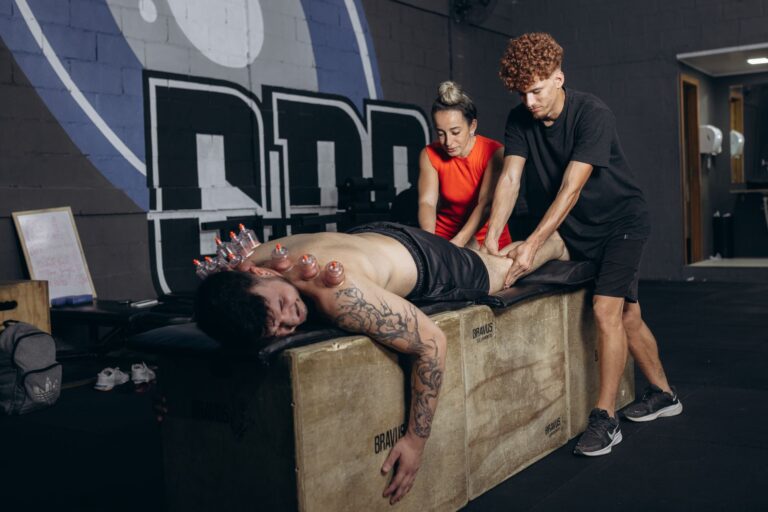
The beauty of starting BJJ while out of shape is that you’ll notice dramatic improvements quickly. Within weeks, you’ll feel stronger, more flexible, and more confident. Combined with Trein Club’s strength and conditioning programs, yoga classes, and recovery services like infrared sauna and massage therapy, you have everything needed to transform your fitness while learning a martial art that builds both body and mind.
Yes, You Can Train BJJ Out of Shape – Here’s Why
The straightforward answer is yes. Brazilian Jiu-Jitsu welcomes people regardless of fitness level, and being deconditioned should never keep you from stepping onto the mat. Thousands of individuals start their BJJ journey as complete novices with minimal cardiovascular endurance, poor flexibility, and limited strength—and they flourish.
The belief that you must achieve fitness before beginning BJJ often stems from observing elite competitors or advanced practitioners training at high intensity. However, BJJ classes incorporate progression by design. Beginners train at a pace suited to their experience level, with instructors adjusting intensity, technical complexity, and session duration accordingly. Your initial weeks emphasize learning fundamental movements, understanding positioning, and developing foundational strength—not pushing toward exhaustion.
What distinguishes BJJ from other fitness activities is that physical conditioning develops naturally through training itself. You don’t require a separate “pre-training” phase. Your body adapts as you learn, and fitness gains compound progressively.
BJJ Itself Will Get You in Shape
How BJJ Training Builds Fitness Naturally
Brazilian Jiu-Jitsu functions as a complete conditioning tool disguised as a martial art. Every session engages your cardiovascular system, muscular endurance, flexibility, and core stability simultaneously. Unlike isolated gym exercises, BJJ demands constant problem-solving under physical stress, forcing your body to adapt rapidly.
During your first month, expect improvements in:
- Muscular endurance – maintaining positions, controlling grips, and resisting opponent pressure build strength without heavy weights
- Cardiovascular capacity – rolling (sparring) consistently elevates heart rate, improving both aerobic and anaerobic fitness
- Flexibility and mobility – BJJ naturally stretches muscle groups often neglected in traditional strength training
- Core stability – protecting yourself and controlling opponents requires continuous core engagement
- Functional strength – you develop practical strength applicable to real-world movement patterns
This progression self-regulates naturally. When fatigued, you slow down and prioritize technique. As conditioning improves, intensity increases organically. No external pressure exists to exceed your capacity.
Cardiovascular and Strength Benefits from Rolling
Rolling—BJJ’s term for sparring—is where genuine conditioning occurs. During rolling, your heart rate climbs as you engage in controlled grappling exchanges. Even light rolling, appropriate for beginners, delivers substantial cardiovascular stimulus because you’re constantly moving, adjusting position, and managing opponent weight.
A 2019 study on BJJ training demonstrated that practitioners achieved cardiovascular improvements comparable to high-intensity interval training, yet with reduced injury risk due to self-regulated intensity. Beginners rolling with experienced partners naturally train at suitable intensity levels—the experienced partner controls pace and avoids maximum pressure.
Strength develops through resistance against another person. Defending positions, escaping holds, or maintaining control means working against dynamic, real resistance. This builds functional strength in ways isolated exercises cannot match. Your grip strength, leg drive, core control, and upper body pulling power all develop naturally through rolling and positional work.
Common Concerns About Starting BJJ Out of Shape
Overcoming Embarrassment and Self-Consciousness
This represents the most significant barrier preventing people from training, and it’s entirely understandable. Fear of being the least conditioned person present, or concern that others will judge your fitness level, discourages many from beginning.
The reality: every person in a BJJ academy started exactly where you are. Your instructor has guided hundreds of beginners. Advanced students vividly remember their early days. The BJJ community, particularly in well-established academies, operates on the principle that everyone follows their own path. No comparison exists, no judgment—only recognition that you showed up willing to learn.
Quality beginner classes are specifically structured for newcomers. You’ll train alongside other beginners at comparable fitness levels. Your instructor will modify techniques and pacing to match group needs. The environment intentionally fosters an ego-free space where progress outweighs performance.
Within two weeks, you’ll recognize that everyone focuses on their own development, not evaluating others. Self-consciousness dissolves quickly once you experience the supportive atmosphere firsthand.
Managing Fatigue During Your First Classes
Fatigue during initial sessions is normal and anticipated. Your body encounters unfamiliar movement patterns, learns new muscle activation sequences, and processes the mental load of absorbing technique. This creates a fatigue response that feels more intense than reality.
Strategies for managing early fatigue:
- Communicate with your instructor – mention you’re new and deconditioned. They’ll adjust drills and rolling intensity accordingly
- Take water breaks – maintain hydration throughout class. Dehydration amplifies fatigue perception
- Prioritize technique over intensity – moving slowly with proper form proves more sustainable than rushing through movements
- Tap early and often – submitting when tired demonstrates intelligence, not weakness. It preserves energy and prevents injuries
- Attend 2-3 classes weekly initially – this allows recovery time while establishing consistency
- Prioritize nutrition and sleep – recovery happens outside the gym. Focus on proper nutrition and rest on training days
Your aerobic capacity will improve noticeably within 3-4 weeks. By weeks 6-8, overwhelming fatigue from week one becomes manageable. This progression ranks among the most rewarding aspects of starting BJJ—you’ll literally feel yourself becoming stronger and more conditioned.
Injury Risk When Starting Out of Shape
This concern holds some merit, though it’s manageable with proper precautions. BJJ injuries stem primarily from poor technique, rolling excessively hard, and disrespecting your limits—not from being deconditioned.
An out-of-shape beginner rolling with a responsible partner at appropriate intensity faces lower injury risk than an athletic person rolling recklessly with poor technique. Critical variables include instruction quality, partner responsibility, and your willingness to tap when something feels wrong.
At quality academies, beginners are paired with experienced training partners who understand their responsibility in keeping newer students safe. Advanced students learn to control pressure, avoid sudden movements, and respond immediately when a beginner taps. This partnership model has been refined over decades and proves highly effective.
Typical beginner injuries are minor and preventable: finger strains from incorrect grip, minor muscle soreness from unfamiliar movement, occasional joint discomfort from poor positioning. Serious injuries remain rare in beginner classes when proper protocols are followed. For additional information on injury prevention, see common BJJ injuries and how to prevent them.
Should You Get in Shape Before Starting BJJ?
Pre-Training Conditioning vs. Learning on the Mat
Some consider: “Should I spend 4-6 weeks conditioning before my first class?” The answer is no—here’s why.
Pre-training conditioning assumes you need a fitness baseline before learning BJJ, but this creates unnecessary delay and misses the fundamental point. Your fitness baseline develops through BJJ itself. Additionally, generic conditioning (running, gym exercises) doesn’t prepare your body for grappling’s specific demands. You’d benefit far more from learning proper technique from day one while building sport-specific fitness simultaneously.
Time spent on isolated cardio before starting BJJ is time you could invest in actually learning BJJ and conditioning your body for grappling specifically. A beginner training BJJ three times weekly for four weeks will achieve dramatically better conditioning than someone who completed generic cardio for four weeks, because they’re developing fitness that directly transfers to their training.
One exception exists: if you have specific medical conditions or haven’t exercised in many years, consulting your doctor before starting any new physical activity makes sense. This represents a medical precaution, not a fitness requirement. Your doctor will almost certainly clear you to begin BJJ with appropriate modifications.
The optimal approach remains simple: start immediately, train consistently, and let BJJ serve as your conditioning program. Your body will adapt faster than anticipated.
Starting BJJ Over 30 While Out of Shape
Age-Specific Considerations for Beginners
If you’re over 30 and concerned that being deconditioned makes you too old to begin BJJ, reconsider. Many people start BJJ in their 30s, 40s, 50s, and beyond—and thrive. Age combined with poor conditioning doesn’t disqualify you.
What shifts with age:
- Recovery requires slightly more time – your body needs adequate sleep and nutrition to adapt. This is manageable through consistency
- Injury prevention gains importance – proper warm-up, listening to your body, and avoiding ego-driven rolling matter more
- Technique becomes your strength – older beginners often progress faster technically because they rely less on athleticism and more on positioning
- Consistency outweighs intensity – training three times weekly consistently beats sporadic intense sessions
The physical benefits of BJJ for adults actually increase with age. BJJ improves mobility, bone density, cardiovascular health, and cognitive function—all areas where adults gain significantly. Starting deconditioned doesn’t diminish these benefits; it actually means you have greater room for improvement.
Your first 2-3 months will feel challenging, but by month four, you’ll notice meaningful changes in body composition, energy levels, and confidence. Many report that BJJ represents their best fitness decision precisely because it’s engaging, community-driven, and produces tangible results.
Tips for Training BJJ When You’re Out of Shape
Pacing Yourself in Early Training Sessions
Pacing proves essential during your first weeks. The urge to match more advanced students or demonstrate yourself will be strong—resist it. Your role is learning and surviving, not performing.
Practical pacing strategies:
- Drill slowly – when practicing technique, move at 40-50% speed initially. This allows your nervous system time to absorb the pattern and prevents injury
- Take breaks between drills – don’t feel obligated to go hard throughout the entire class. A 30-second water break or standing rest is acceptable and wise
- Light roll, not hard roll – when rolling with partners, explicitly state you want to go light. Most experienced students welcome this and will match your intensity
- Limit rolling volume initially – during your first month, aim for 2-3 rolling rounds per class, not 8-10. Quality surpasses quantity
- Tap early – if a position feels uncomfortable, if you’re exhausted, or if something doesn’t feel right, tap immediately. This reflects smart training, not quitting
Your first-month goal is showing up, learning fundamentals, and establishing the habit. Fitness improvements will follow naturally. Pushing too hard early leads to burnout, soreness that discourages attendance, and increased injury risk.
Communicating with Your Instructor and Training Partners
Clear communication represents your most valuable tool when beginning BJJ deconditioned. Your instructor cannot help appropriately without knowing your fitness level and goals. Training partners cannot adjust intensity without communication.
On your first day, tell your instructor:
- That you’re new to BJJ
- Your current fitness level (deconditioned, haven’t exercised in years, etc.)
- Any injuries or physical limitations
- Whether you have specific goals (general fitness, stress relief, competition, etc.)
During rolling, communicate with your partner: “I’m new and deconditioned—let’s go light and technical.” Every experienced BJJ student understands this request immediately and will adjust accordingly. Community norms emphasize helping newer students succeed, not testing them.
Throughout your training, continue communicating with your instructor about how you’re feeling. If certain movements cause pain, if you’re consistently too fatigued, or if you need modifications, speak up. Quality instructors welcome this feedback and will adjust your training plan accordingly.
Supplemental Conditioning Outside the Gym
While BJJ itself provides excellent conditioning, supplemental work accelerates progress and prevents plateaus. You don’t need complex programming—simple additions yield significant results.
Effective supplemental work for BJJ beginners:
- Walking – 20-30 minutes on non-training days improves aerobic capacity without stress
- Bodyweight exercises – push-ups, pull-ups, squats, and planks build functional strength directly supporting BJJ movements
- Stretching and mobility work – 10-15 minutes daily of focused stretching reduces soreness and improves range of motion
- Core work – planks, dead bugs, and bird dogs strengthen your core, which proves critical for BJJ
- Grip strength training – farmer carries and grip trainers prepare your hands for gripping demands
Many academies offer strength and conditioning classes specifically designed to complement BJJ training. These provide structured programming that accelerates fitness development without requiring self-directed work.
Begin with two supplemental sessions weekly alongside your three BJJ classes. As you adapt, you can increase volume. Consistency matters more than intensity—three months of light supplemental work beats one month of intense work followed by burnout.
Real Stories: Starting BJJ Out of Shape
Professional Athletes Who Started Unfit
Many elite BJJ competitors began their journey as deconditioned beginners. These stories demonstrate that initial fitness level proves irrelevant to eventual success.
Common themes in beginner-to-advanced BJJ narratives:
- Initial overwhelm quickly transforms into confidence – people report feeling lost initially, then experiencing rapid improvement that builds momentum
- Fitness improvements exceed expectations – most beginners report being in the best shape of their lives within 6-12 months of consistent training
- The community becomes the primary motivation – while fitness often sparked initial interest, relationships and supportive environment become why people continue
- Age and prior fitness level become irrelevant – consistent training matters infinitely more than starting point
- Mental benefits match physical benefits – reduced stress, improved focus, and increased confidence appear alongside physical changes
What distinguishes those who succeed from those who quit is straightforward: consistency. People training three times weekly for six months transform their fitness and skill level dramatically. People training sporadically or quitting after a few weeks don’t. Your current fitness level doesn’t predict your outcome—your commitment to showing up does.
At quality academies, beginners of all fitness levels train alongside competitive athletes, business owners, and parents. The academy culture explicitly celebrates that progress looks different for everyone. Your journey belongs to you alone.
FAQ: How long does it take to get in shape through BJJ training?
Most people notice significant fitness improvements within 4-6 weeks of consistent training (3+ classes weekly). These early improvements prove dramatic because your body adapts to a completely new stimulus. By 12 weeks, you’ll likely experience substantially better cardiovascular condition, with improved strength and flexibility. By 6 months of consistent training, most people report being in the best shape of their lives. The timeline depends on starting point, training frequency, recovery quality, and nutrition, but the direction of change remains consistent and measurable.
FAQ: Will I get injured if I start BJJ out of shape?
Injury risk in BJJ remains low when proper protocols are followed, and being deconditioned doesn’t significantly increase this risk. Primary injury prevention factors include: training with qualified instructors, rolling with responsible partners who adjust intensity appropriately, learning proper technique from day one, and respecting your body’s signals by tapping when needed. Out-of-shape beginners who follow these principles have lower injury rates than athletic people who roll recklessly. For specific injury information, see common BJJ injuries and prevention strategies.
FAQ: Should I do cardio before starting BJJ classes?
No. Generic cardio before starting BJJ proves unnecessary and wastes time you could invest in learning the sport itself. BJJ provides sport-specific conditioning that generic cardio cannot replicate. Starting BJJ immediately and training consistently will build your fitness faster and more effectively than pre-training cardio. The only exception involves your doctor recommending a medical clearance before starting exercise, in which case follow your doctor’s guidance—but this concerns medical safety, not fitness requirements.
FAQ: What should I tell my instructor about my fitness level?
Be direct and specific. Tell your instructor that you’re new, that you’re currently deconditioned, and what your goals are (fitness, learning, stress relief, etc.). If you have any injuries, physical limitations, or medical conditions, mention those as well. Quality instructors use this information to scale your training appropriately, pair you with suitable partners, and modify techniques when needed. This conversation takes two minutes and dramatically improves your experience. Your instructor has trained hundreds of beginners and understands exactly what you’re experiencing.
FAQ: Can I train BJJ if I’m significantly overweight?
Yes, absolutely. BJJ welcomes people at any weight. Your weight doesn’t determine your ability to learn technique, improve fitness, or succeed in BJJ. Many people use BJJ specifically as their primary fitness tool for weight management because it’s engaging, community-driven, and produces consistent results. Your training partners and instructors will adjust accordingly, and you’ll experience rapid fitness improvements. Weight categories exist in competition, but that’s a separate consideration from training. For training purposes, your weight proves irrelevant—your willingness to learn and show up consistently is everything.