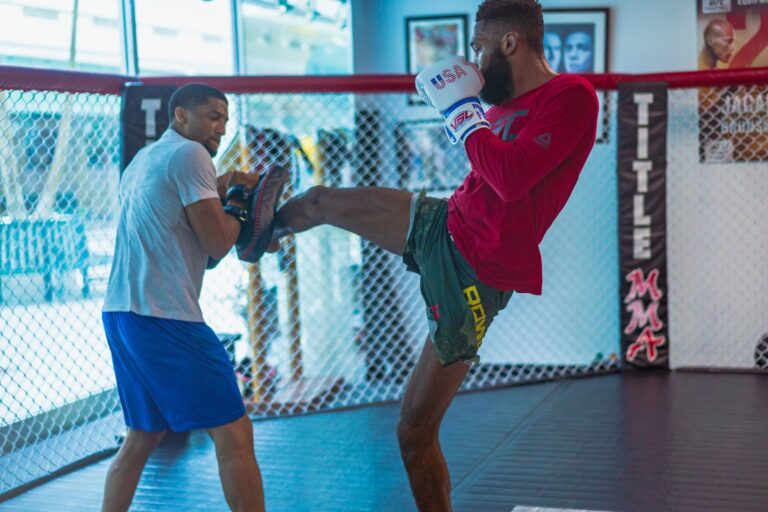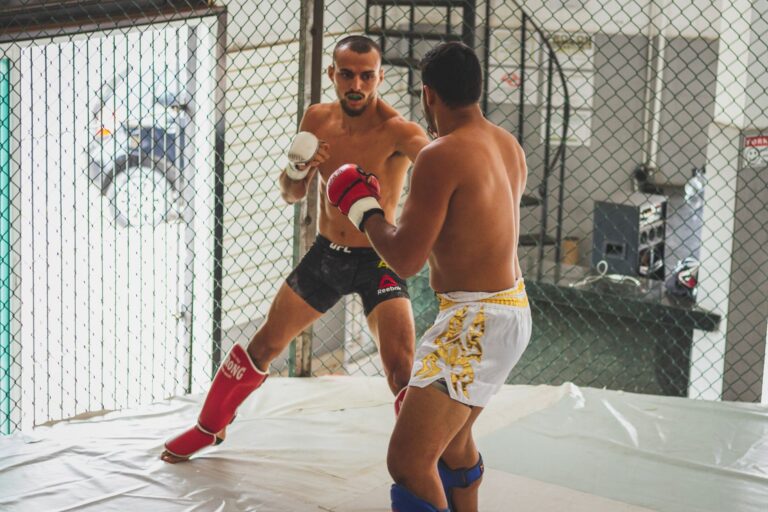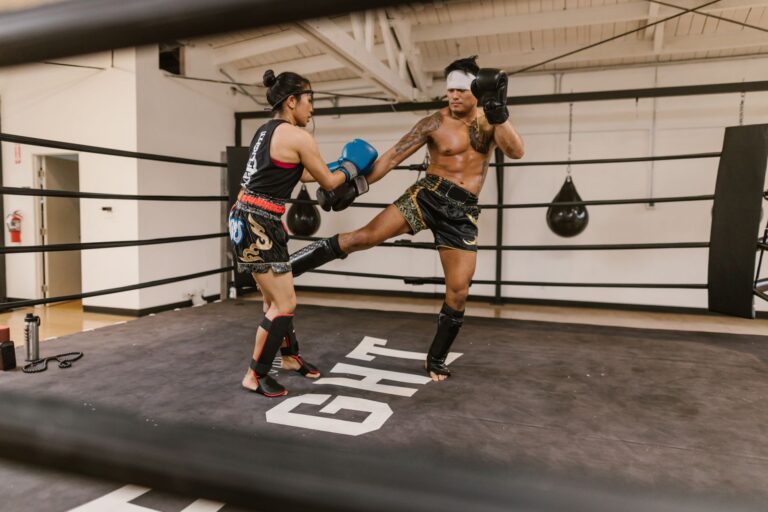
Brazilian Jiu-Jitsu is one of the most effective martial arts for self-defense and fitness, but is BJJ dangerous? The short answer is that like any contact sport, BJJ carries injury risks—yet these are largely preventable with proper technique, qualified instruction, and a structured training environment. Understanding the most common injuries in Brazilian Jiu-Jitsu isn’t meant to scare you away from the sport; it’s about training smart so you can enjoy decades of rolling without setbacks.
The most frequent BJJ injuries include shoulder strains from arm locks, knee issues from leg lock pressure, and neck strain from choke submissions—but these typically occur when training partners ignore tap signals, use excessive force, or when beginners lack fundamental knowledge of how to protect their joints. At Trein Club in Houston, we’ve built our curriculum around injury prevention, with world-class instruction from 4x BJJ World Champion Pedro Araújo and a team focused on teaching proper mechanics before intensity. Our recovery services—including infrared sauna, cold plunge, and massage therapy—complement your training to keep your body healthy long-term.
The reality is that thousands of adults, teens, and kids train BJJ safely every day. The key difference is training in an environment where ego takes a backseat to technique, where instructors prioritize fundamentals, and where your training partners respect the tap.
Is BJJ Dangerous? Understanding Injury Risk in Brazilian Jiu-Jitsu
Brazilian Jiu-Jitsu has experienced remarkable growth over the past two decades, drawing practitioners from curious newcomers to elite competitors at the highest echelons. Yet a persistent question emerges among those contemplating their first class: Is BJJ dangerous? The answer proves nuanced. Like any physical pursuit involving grappling and joint manipulation, BJJ carries inherent risks—though these remain manageable and frequently lower than commonly perceived when appropriate safeguards are implemented.
Separating evidence from assumption requires examining actual injury data. Research demonstrates that while injuries do happen, they’re largely preventable through sound technique, controlled training settings, and thoughtful progression. This guide explores the genuine injury landscape, identifies the most prevalent conditions, and outlines practical strategies to minimize harm while capturing the substantial physical and mental benefits the sport provides.
BJJ Injury Rate Compared to Other Sports
Context matters when assessing danger. Published studies indicate BJJ carries an injury rate of approximately 5.3 to 9.7 injuries per 1,000 athlete exposures, varying between training and competitive settings. This positions it in the middle range among contact and combat disciplines.
For comparison: American football exceeds 10 per 1,000 athlete exposures, while rugby and ice hockey report similarly elevated rates. Boxing and MMA typically demonstrate comparable or slightly elevated figures relative to BJJ. Non-contact activities like running and swimming show lower rates, though they present their own repetitive strain challenges.
The crucial factor is that BJJ injuries remain largely controllable. Unlike football or boxing, where high-velocity impacts and head trauma form inherent components, BJJ’s injury profile depends heavily on training intensity, partner cooperation, and submission restraint. A recreational class under qualified instruction carries substantially lower risk than competitive MMA or professional boxing.
Most Common Injuries in Brazilian Jiu-Jitsu
Injuries in BJJ cluster around predictable anatomical regions, primarily because the sport emphasizes joint control and positional dominance. Recognizing which conditions occur most frequently enables practitioners to identify warning signs and take preventive measures.
- Finger and Hand Injuries: The most frequent category, comprising roughly 30-35% of reported cases. Sprains, dislocations, and joint damage stem from grip exchanges, submission attempts, and positional shifts. Severity ranges from minor sprains healing in weeks to serious ligament damage requiring months of recovery.
- Knee Injuries: The second most prevalent group, representing 15-20% of total cases. These include meniscus tears, ACL damage, and ligament sprains, typically sustained during leg lock sequences, footlock attempts, or heavy positional pressure. Knee conditions demand careful management, as they can become chronic without proper rehabilitation.
- Shoulder Injuries: Accounting for 10-15% of cases, these encompass rotator cuff strains, labral tears, and dislocations. They typically result from arm lock submissions, heavy top pressure, or sudden joint manipulation when practitioners fail to defend adequately or tap promptly.
- Neck and Cervical Spine Injuries: Though less frequent overall (5-8% of cases), neck conditions warrant particular attention due to potential severity. Strain and whiplash can develop from choke submissions, neck cranks, or abrupt positional transitions. Serious cervical injuries remain rare in controlled settings but require immediate medical attention when they occur.
- Ankle and Foot Injuries: Sprains and strains represent 8-12% of cases, primarily from foot lock positions, heel hook submissions, and twisting movements during footwork transitions.
- Back and Lumbar Spine Injuries: Lower back strains and muscle pulls account for 5-10% of injuries, often from heavy positional pressure, sudden twisting, or repetitive bridging and shrimping movements, particularly in practitioners with weak core stability.
Serious vs. Minor Injuries: What Research Shows
A vital distinction exists between injury severity levels. The overwhelming majority of BJJ injuries are minor, resolving within days to weeks through conservative management. Research indicates approximately 80-85% of cases fall into this category, including sprains, minor strains, and contusions not requiring surgical intervention.
Moderate injuries—those demanding several weeks of rehabilitation or temporary training adjustments—comprise roughly 10-15% of cases. These encompass ligament sprains, muscle strains, and minor joint damage that heal with appropriate physical therapy and gradual return-to-training protocols.
Serious injuries necessitating surgery or resulting in long-term disability represent only 2-5% of all cases. These include ACL tears, labral repairs, significant ligament reconstructions, and rare severe neurological conditions. While serious outcomes do occur, they remain statistically uncommon in controlled training environments.
BJJ’s injury severity profile differs markedly from American football or rugby, where head injuries and catastrophic outcomes prove more prevalent. The sport’s mechanism—controlled joint manipulation rather than high-velocity impact—inherently produces fewer catastrophic results.
Risk Factors That Increase Injury Likelihood in BJJ
Injury vulnerability varies among practitioners. Certain factors substantially elevate risk, and identifying these enables targeted prevention strategies.
- Training Intensity and Pace: Rolling at high speeds, particularly among beginners or mismatched partners, dramatically increases danger. Uncontrolled velocity, aggressive submissions, and failure to tap appropriately create hazardous situations. Intensity should scale with experience and partner communication.
- Inadequate Technique and Instruction: Practitioners learning poor mechanics or training without qualified coaching experience higher injury rates. Improper submission execution, unsafe transitions, and incorrect defensive methods create vulnerability. Quality instruction from experienced coaches serves as a primary prevention tool.
- Insufficient Warm-up and Conditioning: Tight muscles, limited joint mobility, and poor cardiovascular fitness increase susceptibility. Those skipping warm-ups or lacking general fitness face elevated rates. Proper preparation and conditioning are essential.
- Training Frequency Without Recovery: Excessive volume without adequate rest accumulates microtrauma and increases overuse conditions. While consistent training proves beneficial, training 6-7 days weekly without recovery days elevates risk, especially for beginners and those over 40.
- Age and Pre-existing Conditions: Older practitioners and those with prior injuries or joint issues face moderately elevated rates. However, BJJ for adults over 40 remains safe and beneficial when training is appropriately scaled and recovery is prioritized.
- Ego and Poor Tap Culture: Training environments where practitioners hesitate to tap, continue rolling through discomfort, or feel pressure to “toughen up” show dramatically higher rates. Academies with strong tap culture and ego-free philosophies report substantially fewer injuries.
- Inadequate Recovery Modalities: Practitioners neglecting stretching, mobility work, and recovery practices accumulate greater risk. Access to recovery tools like massage, cold plunge, and infrared sauna supports prevention and faster healing.
How to Reduce Injury Risk While Training BJJ
The encouraging reality is that most BJJ injuries are preventable through intelligent training practices, proper technique, and controllable environmental factors.
Choose a Well-Coached Academy: The single most critical prevention factor is training at an academy with experienced, safety-conscious instruction. Qualified coaches teach correct mechanics, enforce safe rolling protocols, scale intensity appropriately, and foster cultures where tapping is respected. An academy’s injury rate directly reflects coaching quality and training philosophy.
Prioritize Technique Over Intensity: Beginners should focus exclusively on learning correct mechanics at controlled pace. Speed and intensity naturally increase as proficiency improves. In your first BJJ class as an adult, expect a slower pace designed for learning rather than testing limits. Maintain this approach even as you advance.
Implement Progressive Training Frequency: Beginners should train BJJ 2-3 times per week, allowing sufficient recovery between sessions. As fitness improves and technique solidifies, frequency can increase to 4-5 sessions weekly. Even experienced practitioners benefit from at least one complete rest day per week.
Master the Tap Culture: Train at academies where tapping is celebrated, not discouraged. Tap early, tap often, and tap immediately when uncomfortable. Quality training partners will respect your tap before injury occurs. Never train with those who ignore taps or pressure you to “toughen up.”
Develop Consistent Warm-up Habits: Dedicate 10-15 minutes to dynamic stretching, joint mobility drills, and light cardiovascular activity before rolling. This preparation significantly reduces risk by increasing blood flow, activating stabilizer muscles, and preparing joints for upcoming demands.
Invest in Strength and Conditioning: BJJ-specific strength training, particularly core work and shoulder stability, prevents injuries before they develop. Practitioners with strong stabilizer muscles and good conditioning show lower rates.
Match Partner Selection Carefully: Train with partners at your skill level or slightly above. Rolling with significantly stronger or more experienced practitioners without appropriate pace control increases risk. Communicate openly about training intensity and injury concerns before rolling begins.
Utilize Recovery Services: Cold plunge therapy, infrared sauna, and massage therapy accelerate recovery, reduce inflammation, and identify developing issues before they become serious. Regular use of recovery modalities supports prevention and improves overall training sustainability.
Address Pain Immediately: Sharp discomfort, swelling, or persistent pain warrant immediate attention. Stop rolling, apply ice, and seek professional evaluation. Many serious conditions develop from ignored minor pain. Conservative early intervention prevents progression to serious injury.
Return to Sport After BJJ Injuries
When injuries occur, the return-to-training process proves critical. Premature resumption creates re-injury risk, while overly cautious approaches cause deconditioning. A structured, evidence-based progression is essential.
Initial Rest and Medical Evaluation: Most minor BJJ injuries benefit from 3-7 days of rest, ice application, and elevation. Injuries causing significant swelling, persistent pain beyond a week, or inability to bear weight warrant professional medical evaluation. Seek imaging and professional assessment for moderate to serious conditions.
Progressive Rehabilitation: Work with a physical therapist or sports medicine professional to develop a rehabilitation protocol specific to your injury. Rehabilitation should progress through phases: initial pain management, range of motion restoration, strength development, and sport-specific movement patterns.
Graduated Return to Training: Begin with mobility work and technique drilling at zero resistance. Progress to light rolling with controlled partners at reduced intensity. Gradually increase intensity and partner resistance as pain-free function returns. This typically requires 2-6 weeks depending on injury severity.
Avoid Re-injury Patterns: Identify what caused the injury and modify training to prevent recurrence. If a specific submission caused damage, drill defensive mechanics against that submission. If positional pressure caused injury, train with partners who respect your limitations during recovery.
Consider Competition Timing: If you compete in IBJJF tournaments, allow adequate recovery time before returning to competition. Competition training differs from recreational sessions in intensity and pressure. Return to recreational training first, then gradually progress to competition-level intensity.
Age and Injury Risk: Is BJJ Safe for Older Practitioners?
A common concern among older adults considering BJJ involves whether the sport suits their age group. Research shows that BJJ is safe and beneficial for older practitioners when training is appropriately scaled, though injury patterns differ somewhat from younger populations.
Older practitioners (typically 40+) show slightly elevated overall rates compared to younger athletes, but this reflects age-related changes in tissue healing and recovery rather than inherent danger. Injury types remain similar, though older practitioners more commonly experience muscle strains and shoulder conditions, while younger athletes more frequently sustain knee damage.
Critical safety factors for older practitioners include:
- Training with appropriately matched partners who respect experience limitations
- Prioritizing technique and controlled pace over intensity and speed
- Maintaining consistent strength and conditioning work, particularly core stability
- Allowing adequate recovery time between sessions
- Addressing any pre-existing joint or mobility issues before intensive training
- Utilizing recovery services like massage and sauna to support healing
BJJ for adults over 40 offers exceptional benefits for strength, flexibility, cardiovascular health, and cognitive function. The risk is manageable and substantially outweighed by health benefits when training is approached intelligently. Many dedicated, long-term practitioners are over 40, demonstrating that age is not a barrier to safe, sustainable BJJ training.
Competition vs. Training Injuries: Where Are You Most at Risk?
Injury risk differs significantly between recreational training and competition, with competitive settings showing elevated rates. Understanding this distinction helps practitioners make informed decisions about competition participation and training preparation.
Training Injuries: Recreational rolling typically occurs at controlled intensity with partners focused on mutual learning and safety. Training injuries represent approximately 60-70% of all cases and are predominantly minor to moderate in severity. The controlled environment, emphasis on technique, and mutual cooperation create a relatively safe context for skill development.
Competition Injuries: Competitive matches involve maximum intensity, unfamiliar opponents, and high psychological pressure. Competition accounts for 30-40% of all injuries despite representing a much smaller percentage of total athlete exposures. Competitive injuries are more frequently moderate to serious in severity, with higher rates of joint damage and submissions taken to their absolute limit.
The injury rate in competition is approximately 2-3 times higher than in training, driven by several factors:
- Maximum intensity and effort throughout the match
- Unfamiliar opponents with unpredictable techniques
- Psychological pressure and competitive motivation reducing pain tolerance
- Limited time to recognize dangerous positions and tap appropriately
- Submissions applied to the point of maximum effect rather than controlled training submissions
Practitioners considering competition should ensure they’ve developed strong defensive mechanics, understand their own injury vulnerabilities, and have trained extensively with partners simulating competition intensity. Proper competition preparation reduces risk substantially compared to unprepared competitors.
FAQ: What are the top 5 most common BJJ injuries?
The five most common BJJ injuries, in order of frequency, are:
- Finger and Hand Injuries: Sprains, dislocations, and joint damage from grip fighting and submissions, representing 30-35% of all cases.
- Knee Injuries: Meniscus tears, ACL damage, and ligament sprains from leg lock exchanges and positional pressure, accounting for 15-20% of injuries.
- Shoulder Injuries: Rotator cuff strains and labral tears from arm locks and top pressure, representing 10-15% of cases.
- Ankle and Foot Injuries: Sprains and strains from foot lock positions and footwork transitions, accounting for 8-12% of injuries.
- Neck and Back Injuries: Cervical and lumbar strains from chokes, positional pressure, and twisting movements, representing 10-15% of injuries combined.
Most of these injuries are minor and resolve with conservative care, rest, and rehabilitation. Proper technique, controlled training, and appropriate partner selection substantially reduce the incidence of even these common conditions.
FAQ: How often do serious injuries occur in BJJ training?
Serious injuries requiring surgery or causing long-term disability occur in approximately 2-5% of all cases. When considering total training exposures, serious injuries represent roughly 0.1-0.5 per 1,000 athlete exposures—a relatively low rate for a contact sport.
Serious outcomes are even less common in recreational training environments. They occur more frequently in competition and high-intensity sessions. The low rate reflects the sport’s controllable injury mechanism and the effectiveness of proper technique and tap culture in preventing escalation.
Most practitioners can train BJJ for years without experiencing a serious injury, particularly when training at academies with strong safety cultures and quality instruction.
FAQ: Is BJJ safer than other combat sports?
BJJ is generally safer than boxing and MMA when comparing overall rates and severity. Boxing carries higher rates of head injury and neurological trauma, while MMA combines striking and grappling, increasing injury mechanism diversity.
BJJ’s rate is comparable to or slightly lower than wrestling and judo, sports with similar grappling mechanics. The key difference is that BJJ’s injury profile is heavily controlled by training partners’ cooperation, tap culture, and coaching philosophy—factors that directly influence safety outcomes.
In controlled training environments with quality coaching and strong tap culture, BJJ ranks among the safer contact sports. In poorly managed environments with weak safety protocols, rates can increase substantially. The sport’s safety depends heavily on the training environment and coaching quality.
FAQ: What injury patterns are most common in competitive BJJ?
Competitive BJJ shows different patterns than recreational training, with greater emphasis on submissions applied to maximum effect and high-intensity positional pressure.
The most common competitive injuries include:
- Finger and Hand Injuries: Remain most common due to intense grip fighting and submission attempts in matches.
- Knee Injuries: Increase in frequency during competition due to aggressive leg lock exchanges and maximum-intensity pressure.
- Shoulder Injuries: More common in competition from arm lock submissions applied with maximum force and high-pressure top positions.
- Neck Injuries: Slightly more common in competition due to choke submissions applied to the point of unconsciousness and high-pressure neck positioning.
- Serious Joint Injuries: ACL tears, labral injuries, and ligament ruptures occur more frequently in competition than training due to maximum intensity and unfamiliar opponents.
Competitive injuries are more frequently moderate to serious in severity compared to training injuries. Proper competition preparation, including training with competition intensity and developing strong defensive mechanics, reduces competitive risk substantially.
FAQ: Can beginners reduce their injury risk in BJJ?
Absolutely. Beginners can substantially reduce risk through several key practices:
- Train at a Quality Academy: Choose an academy with experienced coaching, strong tap culture, and demonstrated injury prevention focus. This single decision impacts risk more than any other factor.
- Prioritize Technique Over Speed: Focus entirely on learning correct mechanics at controlled pace. Avoid intensity and speed until technique is solid. This approach prevents injury while building sustainable skill development.
- Train Appropriate Frequency: Train 2-3 times per week as a beginner, allowing adequate recovery between sessions. This prevents overuse conditions and allows proper technique consolidation.
- Communicate with Partners: Clearly communicate your beginner status and injury concerns before rolling. Request controlled pace and appropriate partner selection. Quality training partners will respect these requests.
- Develop Strong Warm-up Habits: Never skip warm-up. Dedicate 10-15 minutes to preparation before rolling. This dramatically reduces risk by preparing joints and muscles for training demands.
- Learn to Tap Appropriately: Tap early and often. Never train with partners who ignore taps or pressure you to toughen up. A strong tap culture is the foundation of safe BJJ training.
- Invest in Recovery: Use stretching, mobility work, and recovery services to support your training. This accelerates adaptation and prevents injury accumulation.
Beginners who follow these practices show substantially lower rates than those who ignore safety principles. BJJ is safe when approached intelligently, but requires commitment to proper training practices and partner selection.