Deciding how often kids should train BJJ per week depends on their age, experience level, and personal goals—but most instructors agree that consistency matters far more than frequency. At Trein Club, our kids’ BJJ programs in Houston are built around sustainable training schedules that develop technique, confidence, and discipline without overwhelming young athletes. Whether your child is just starting their first class or preparing for IBJJF competition, finding the right training rhythm is essential for long-term progress and injury prevention.
Beginners typically benefit from 2-3 sessions weekly, allowing time to absorb fundamentals and let their bodies adapt to grappling. As kids advance and develop stronger foundations, 3-4 classes per week becomes ideal for skill acceleration and tournament preparation. However, the quality of instruction matters as much as quantity—training with experienced coaches like our team, led by 4x BJJ World Champion Pedro Araújo, ensures every session builds proper movement patterns and game awareness.
Beyond the mat, our 19,000-square-foot facility offers recovery services, strength conditioning, and yoga to support your child’s overall athletic development. We believe in personalized training paths, not one-size-fits-all prescriptions, which is why we work with parents to create schedules that fit their family’s lifestyle while maximizing results.
Recommended Training Frequency for Kids in BJJ
The ideal training schedule for your child depends on their experience level, age, personal objectives, and lifestyle constraints. Unlike sports with standardized curricula, Brazilian Jiu-Jitsu benefits from individualized programming tailored to each child’s developmental stage and commitment. The sweet spot lies between steady advancement and sustainable, injury-free progression.
At Trein Club, we understand that development happens at different paces for every student. Our coaching approach—informed by founder Pedro Araújo’s 40+ IBJJF medals—prioritizes purposeful training over volume. A child attending 2–3 sessions weekly with full focus will outpace someone grinding through excessive classes without adequate recovery or engagement.
Beginner Kids: Starting with 2-3 Sessions Per Week
Children new to the sport should begin with 2–3 weekly classes. This cadence enables them to absorb fundamental movement patterns, grasp basic techniques, and acclimate to the mat environment without overwhelming their bodies or schedules. Two sessions represent the minimum threshold for meaningful retention; anything less makes it difficult to remember techniques between classes.
Spacing beginner sessions 2–3 days apart allows their nervous system to process new motor skills while maintaining momentum. This approach also minimizes injury risk by preventing overuse before their bodies adapt to grappling demands. At this stage, showing up consistently matters far more than training intensity—regular attendance builds habits and self-assurance.
Most families find this frequency manageable alongside school, homework, and other activities. It keeps BJJ a priority without triggering burnout or scheduling headaches.
Intermediate Kids: Building to 3-4 Sessions Per Week
As children progress beyond white belt fundamentals and develop competence in basic positions, stepping up to 3–4 sessions weekly accelerates skill development. At this intermediate stage, they’ve built foundational body awareness and understand the discipline required for safe training. Their bodies have also adapted better to grappling mechanics.
Three to four weekly classes allow intermediate students to drill techniques consistently, spar with different partners, and begin exploring more sophisticated positions. They’re prepared for higher-intensity sessions and benefit from the repetition needed to internalize movement patterns. This frequency also supports competitive aspirations if the child expresses interest.
Intermediate kids typically manage time better and possess stronger motivation, making it easier to balance additional training with school and other pursuits. Nevertheless, rest days remain non-negotiable—even at this level, training shouldn’t exceed 4–5 days weekly.
Advanced Kids: Training 4-5+ Sessions Per Week
Children competing in IBJJF tournaments or pursuing the sport seriously often train 4–5+ times weekly. At this advanced level, kids have developed exceptional body control, understand recovery principles, and possess the maturity to handle higher training loads. Multiple daily sessions or cross-training with complementary disciplines like strength and conditioning become advantageous.
Advanced young athletes thrive with varied training modalities—technical drilling, live sparring, strength work, and flexibility training. Trein Club’s comprehensive approach allows advanced kids to supplement BJJ with our strength and conditioning programs, yoga, and recovery services to maximize performance and prevent injury.
Even at this elite tier, structured rest days and recovery protocols remain essential. Overtraining produces diminishing returns, heightened injury risk, and burnout—particularly concerning during childhood development.
Age-Specific Training Guidelines for Children
Age profoundly shapes how often and intensely children should train. Younger children possess different skeletal development, attention spans, and physical capabilities than teenagers. Matching training frequency to developmental stages ensures safety, effective learning, and sustained engagement.
Young Children (4-7 years): 1-2 Classes Weekly
Children aged 4–7 should attend 1–2 classes weekly. Their primary focus should be developing gross motor skills, learning to follow instructions, becoming comfortable with physical contact, and enjoying themselves. Young bodies are still developing coordination and balance; additional training provides no extra benefit and may foster negative associations.
One class weekly suffices for meaningful progress in 4–6-year-olds. Two weekly classes work well for 6–7-year-olds demonstrating strong interest and maturity. Classes at this age should emphasize games, fundamental movement, and positive community experiences rather than technical complexity.
Young children also have limited attention spans and energy reserves. Shorter, playful sessions held 1–2 times weekly maintain engagement and excitement about returning. Excessive training at this age risks burnout before they’ve developed genuine passion for the sport.
School-Age Kids (8-12 years): 2-3 Classes Weekly
Children aged 8–12 can handle 2–3 weekly BJJ classes. This age group has developed better concentration, improved body awareness, and greater physical resilience. They’re ready to learn more sophisticated techniques while maintaining the playful, exploratory approach that keeps training enjoyable.
Two weekly classes support steady advancement and skill development. Three weekly classes accelerate progress, especially for kids interested in competing or demonstrating exceptional commitment. Spacing classes 2–3 days apart allows sufficient recovery while preserving learning momentum.
Consistent training benefits school-age kids by building confidence, sharpening academic focus, and establishing healthy habits. Research demonstrates that BJJ helps kids with focus and discipline at school, making regular training a worthwhile investment in overall development.
Teenagers (13-17 years): 3-5 Classes Weekly
Teenagers can train 3–5+ times weekly, depending on their objectives, maturity, and recovery capacity. Physical development accelerates at this age, and many teens possess the mental discipline to manage higher training loads. Numerous students at Trein Club train 4–5 times weekly while juggling school, work, and social life.
Three weekly classes suit recreational teenage students. Four to five weekly classes fit competitive teens or those pursuing the sport seriously. Teenagers can also benefit from supplementary training—adding strength and conditioning, yoga, or other martial arts like kickboxing alongside BJJ.
Teenagers should still prioritize recovery and avoid training consecutively every day. Even elite young athletes benefit from at least one full rest day weekly. Proper sleep, nutrition, and recovery protocols become increasingly important as training volume rises.
Balancing BJJ Training with School and Family Commitments
Parents frequently struggle with fitting BJJ into already-crowded schedules. Sustainable training frequency must coexist with school, family time, and other responsibilities. The objective isn’t maximizing training volume—it’s maintaining consistent, manageable training that aligns with your family’s lifestyle.
Creating a Sustainable Training Schedule for Families
The most effective training frequency is one your family can sustain consistently. A child attending 2 times weekly without interruption will progress faster than one training 4 times weekly sporadically. Consistency builds habits, reinforces learning, and demonstrates commitment—all vital for long-term success.
When designing a schedule, consider:
- School demands: Avoid scheduling training on heavy homework or exam nights. Many families prefer evening classes during the school week.
- Commute time: Trein Club’s Oak Forest location provides convenient access for Houston Heights families, minimizing travel time and stress.
- Sibling schedules: If multiple children train, stagger classes or find overlapping time slots to streamline family logistics.
- Seasonal variations: Some families increase training during summer break or school holidays when schedules allow more flexibility.
- Other activities: If your child plays soccer, takes music lessons, or participates in other sports, ensure BJJ doesn’t create scheduling conflicts or overcommitment.
Trein Club’s flexible programming accommodates diverse family needs. Our kids’ BJJ classes run throughout the day and week, and our summer camp programs offer intensive training during school breaks without disrupting the regular academic calendar.
Open dialogue with your child is essential. If they resist the current frequency, temporarily reduce sessions and rebuild gradually. Forcing excessive training breeds resentment and often leads to quitting. The goal is cultivating a lifelong appreciation for BJJ, not accelerating belt progression.
Rest Days and Recovery: Why Kids Need Breaks
Rest days aren’t indulgence—they’re integral to training. During recovery periods, the body adapts to training stress, muscles repair and strengthen, and the nervous system consolidates new motor skills. Children training without adequate recovery plateau faster, suffer higher injury rates, and burn out more quickly.
Even kids training 4–5 times weekly need at least one full rest day. On these days, avoid other intense physical activities; light walking, stretching, or casual play is acceptable, but genuine recovery is the priority. Sleep becomes even more critical for training children—aim for 8–10 hours nightly, as growth hormone release during sleep supports physical development.
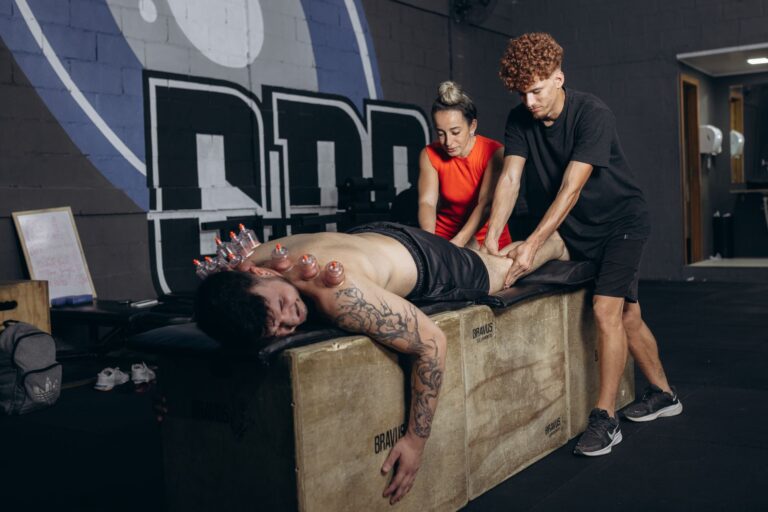
Active recovery practices enhance adaptation without adding training stress. Trein Club’s yoga classes and recovery services—including cold plunge, infrared sauna, and massage therapy—support kids’ recuperation and prevent overuse injuries. These options are especially valuable for competitive kids or those training frequently.
Monitor for overtraining indicators: persistent exhaustion, declining performance, irritability, frequent illness, or waning interest in training. If you observe these signs, reduce frequency and emphasize recovery. Overtraining erases gains and can damage your child’s long-term relationship with physical activity.
Benefits of Consistent BJJ Training for Kids
When children train BJJ at appropriate frequencies, advantages extend well beyond the mat. Consistent training develops physical capabilities, mental resilience, and character qualities that benefit them throughout life.
Physical Development and Skill Progression
Regular BJJ training builds strength, flexibility, coordination, and body awareness in ways traditional gym training cannot match. The dynamic, problem-solving nature of grappling develops functional fitness applicable to everyday movement and athletic performance.
Skill advancement demands consistent training. Children attending classes regularly develop muscle memory, grasp positional concepts deeply, and progress through belt ranks steadily. Sporadic attendance with extended gaps slows advancement and frustrates learners.
Physical benefits include:
- Enhanced cardiovascular fitness and muscular endurance
- Increased flexibility and joint mobility
- Improved balance, coordination, and proprioception
- Greater core strength and postural stability
- Practical self-defense capabilities
- Muscle and strength development through resistance training and bodyweight exercises
These physical adaptations require time and repetition. Consistent training 2–3+ times weekly allows kids’ bodies to adapt, strengthen, and develop the neural pathways supporting complex grappling movements.
Mental Discipline and Confidence Building
BJJ uniquely cultivates mental toughness and self-assurance. Every training session presents problems to solve—escaping disadvantageous positions, executing transitions, strategizing against different opponents. Kids discover that persistence, proper technique, and intelligent effort overcome challenges.
Regular training builds confidence through observable progress. As children advance through belt ranks, master new techniques, and successfully apply moves in live training, their self-belief strengthens. This confidence extends to academics, social interactions, and other life challenges.
The discipline required for consistent training teaches delayed gratification and long-term perspective. Kids learn that showing up regularly, even when unmotivated, produces results. This understanding proves invaluable when facing academic obstacles, career decisions, and personal challenges.
Research confirms that BJJ helps kids with focus and discipline at school. The mental frameworks developed through consistent grappling—problem-solving, resilience, emotional regulation—directly enhance academic performance and classroom conduct.
Additionally, BJJ’s ego-free training environment, particularly at Trein Club where our “Fit No Boxes” philosophy emphasizes personal progress over competition, allows even reserved or introverted kids to flourish. Shy or introverted kids do exceptionally well in BJJ because the sport values quiet competence and individual growth over extroverted performance.
Common Questions About Kids’ BJJ Training Frequency
Parents regularly ask specific questions about training frequency. Here are answers to the most common concerns:
Can kids train BJJ every day?
No. Training BJJ daily is inappropriate for children and counterproductive even for elite young athletes. Daily training without rest days prevents proper recovery, heightens injury risk, and triggers burnout. Even professional adult competitors typically train 5–6 days weekly maximum, with strategic rest days incorporated. Children require even more recovery due to ongoing skeletal development. One full rest day weekly is minimum; two rest days is ideal for kids training 4+ times weekly.
What happens if my child trains too much BJJ?
Overtraining in children creates multiple complications: elevated injury risk (especially to developing joints and growth plates), stalled skill progression, chronic fatigue, weakened immunity (frequent illness), mood disturbances and irritability, and diminished enjoyment in training. Excessive training also interferes with academic performance and sleep quality. If your child exhibits overtraining signs, reduce frequency immediately and prioritize recovery. Remember that BJJ is safe for children when trained appropriately, but excessive volume undermines safety benefits.
Is 2 times per week enough for kids to progress in BJJ?
Absolutely. Two weekly classes provide sufficient momentum for meaningful, steady advancement. A child attending consistently 2 times weekly will progress through belt ranks, develop solid technique, and build lasting fitness and confidence. While 3–4 times weekly accelerates progress, the difference between 2 and 3 sessions weekly is smaller than the difference between sporadic training and consistent 2 times weekly. Consistency outweighs frequency.
How do I know if my child is training the right amount?
Your child is training appropriately if they: remain eager about attending classes, demonstrate consistent skill advancement, maintain good sleep and appetite, excel academically, avoid frequent illness or injury, and express enthusiasm rather than reluctance about training. If your child complains constantly, shows declining performance, seems perpetually tired, or loses interest, reduce frequency. The goal is sustainable, joyful training that enriches overall life quality.
Should kids cross-train with other martial arts alongside BJJ?
Cross-training can be beneficial if managed thoughtfully. Adding complementary disciplines like kickboxing, Muay Thai, or strength and conditioning enhances overall athleticism and prevents overuse injuries from single-sport focus. However, total training volume still matters. A child training 3 times weekly in BJJ plus 2 times weekly in kickboxing totals 5 sessions—appropriate only for older, mature kids with excellent recovery habits. Trein Club offers integrated programming allowing kids to combine BJJ with our kickboxing, Muay Thai, yoga, and strength and conditioning services in balanced ways. Start with BJJ as the primary focus, then thoughtfully add complementary training if your child demonstrates strong interest and capacity.