
What does cold plunge therapy do? For athletes, martial artists, and anyone serious about recovery, the answer goes far beyond the initial shock of ice-cold water. Cold plunge therapy triggers a cascade of physiological responses—reduced inflammation, accelerated muscle recovery, improved circulation, and enhanced mental resilience—that can meaningfully speed up your body’s ability to bounce back from intense training. Whether you’re recovering from a grueling jiu-jitsu session, a striking class, or strength and conditioning work, strategic cold exposure activates your parasympathetic nervous system and floods your system with hormones that support healing and performance.
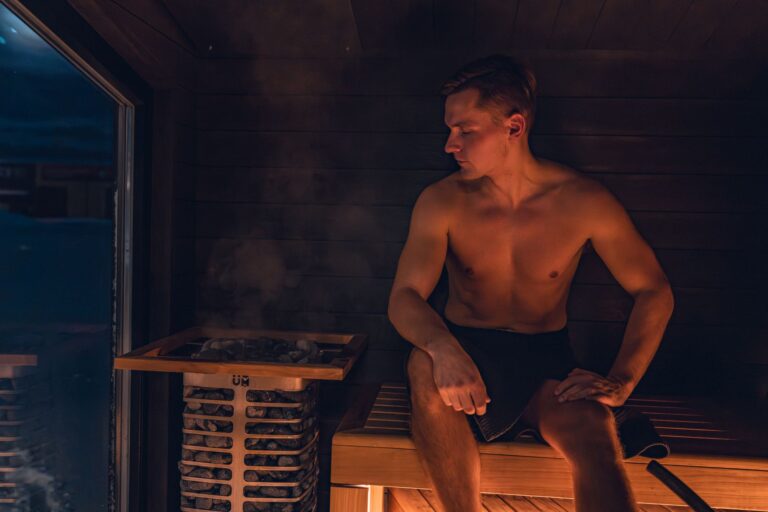
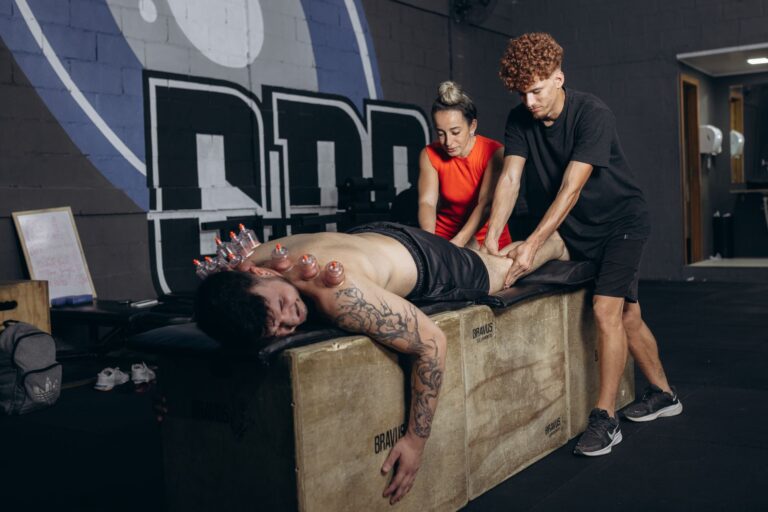
At Trein Club in Houston, we treat cold plunge and contrast therapy as essential to training itself, not an afterthought. Paired with our infrared sauna, massage, and breathwork services, cold plunge becomes part of a complete recovery ecosystem designed to help your body adapt, strengthen, and prepare for the next session. Many of our members find that consistent cold exposure doesn’t just speed recovery—it builds mental toughness, sharpens focus, and deepens the mind-body connection that makes martial arts and movement truly transformative.
What Does Cold Plunge Therapy Do? A Science-Backed Overview
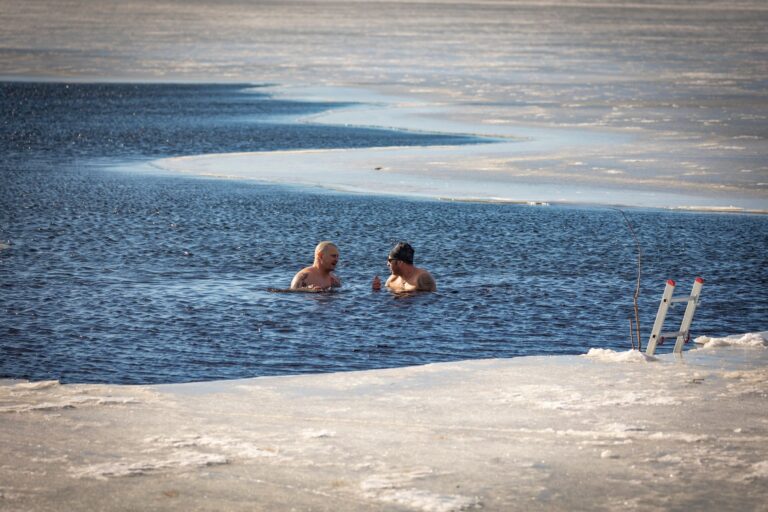
Cold plunge therapy — submerging your body in water typically between 39°F and 55°F for short, controlled periods — sets off a cascade of physiological responses that reach nearly every major system. In plain terms, cold water functions as a deliberate stressor: it narrows blood vessels, elevates key neurotransmitters, calms inflammation, and pushes your nervous system to adapt. What follows is a well-documented range of effects, from quicker muscle recovery and less soreness to sharper mental clarity, brighter mood, and a more resilient stress response.
Athletes, martial artists, and everyday practitioners have embraced cold immersion because it delivers something a hot shower or rest day simply cannot: a rapid, measurable shift in how the body feels and performs. Yet cold plunging is neither magic nor free of risk. Grasping what actually happens beneath the surface — and who should proceed with caution — is what separates using cold therapy as a legitimate recovery tool from misusing it. Below, we unpack the science, the benefits, the risks, and the safest path to making cold plunging part of a serious training and wellness routine.
How Cold Plunge Therapy Works: The Physiology Behind the Practice
Cold plunge therapy exposes the body to a stimulus intense enough to activate ancient survival mechanisms. Your nervous, cardiovascular, and endocrine systems all respond within seconds, producing measurable shifts in heart rate, blood pressure, hormone release, and blood flow distribution. These reactions generate the therapeutic effects — but only when exposure is short, controlled, and paired with proper recovery.
What Happens to Your Body the Moment You Enter Cold Water
The instant your skin meets cold water, thermoreceptors flood the brain with signals. Breathing rate spikes involuntarily — the familiar “gasp reflex” — heart rate jumps, and peripheral vessels clamp down, driving blood pressure up. Within the first 30 to 60 seconds, cortisol and adrenaline surge, sharpening focus and mobilizing energy. Blood is redirected away from the extremities toward the core to protect vital organs. This initial shock phase is uncomfortable but brief; once you steady your breath, the response stabilizes and the therapeutic window opens.
The Role of Norepinephrine, Dopamine, and Endorphins in Cold Immersion
The neurochemical shift is arguably the most compelling reason people stick with cold plunging long-term. Research shows immersion can raise norepinephrine levels by 200–500%, driving gains in focus, attention, and mood regulation. Dopamine — the neurotransmitter tied to motivation and drive — can climb up to 250% and remain elevated for hours. Endorphins and beta-endorphins also release, producing a natural analgesic and euphoric effect. Together, these chemicals explain the clarity, calm, and quiet confidence people report after a plunge.
Vasoconstriction and Vasodilation: How Cold Water Affects Blood Flow
Cold exposure triggers powerful vasoconstriction: surface vessels tighten and push blood toward the core. Once you exit and rewarm, vasodilation reverses the process, flushing oxygenated blood back through the tissues. This “pump” effect is central to why cold plunging aids recovery — it helps clear metabolic waste, delivers nutrients to fatigued muscles, and conditions the vascular system to respond more efficiently over time. Contrast therapy (alternating hot and cold) amplifies the effect and is a staple in elite recovery protocols.
Proven Benefits of Cold Plunge Therapy
The research base for cold water immersion has expanded quickly, and while some claims stand on firmer ground than others, several benefits are supported by consistent evidence. For a broader look at the recovery advantages, see our deep dive on the benefits of cold plunge therapy.
Reduces Muscle Soreness and Speeds Up Exercise Recovery
The strongest evidence for cold plunging lies in post-exercise recovery. Multiple meta-analyses show cold water immersion significantly lowers delayed onset muscle soreness (DOMS) 24 to 72 hours after intense training. For grapplers, strikers, and lifters training multiple sessions per week, this means less stiffness, better range of motion, and the ability to show up the next day ready to work.
Decreases Inflammation and Swelling
Cold exposure lowers localized inflammation by narrowing blood vessels and slowing the arrival of inflammatory cells to damaged tissue. That’s why athletes have relied on ice baths for decades after high-impact competition. Paired with mobility work and quality sleep, cold immersion becomes a powerful ally in keeping chronic inflammation in check.
Boosts Mood and Reduces Symptoms of Depression and Anxiety
The dopamine and norepinephrine surge translates into measurable mood improvements. Preliminary trials suggest regular immersion can ease symptoms of mild to moderate depression and anxiety. Many practitioners describe an “anti-fragile” mental state after weeks of consistent practice — a calmer response to daily stressors, forged by repeatedly confronting a controlled one.
Improves Alertness, Focus, and Mental Clarity
The post-plunge cognitive lift is immediate and unmistakable. Elevated norepinephrine sharpens attention and working memory, which is why many high performers use a morning plunge as an alternative or complement to caffeine. The clarity typically holds for several hours.
Supports Immune System Function
Cold exposure has been linked to higher white blood cell counts and improved immune surveillance. A well-known Dutch study found that people who added cold showers to their routine reported 29% fewer sick days from work over 90 days.
May Improve Metabolism and Activate Brown Fat
Cold exposure activates brown adipose tissue, a metabolically active fat that burns calories to generate heat. While plunging alone won’t drive dramatic fat loss, regular exposure appears to modestly improve insulin sensitivity and metabolic health — meaningful gains when combined with resistance training and sound nutrition.
Potential Cardiovascular Benefits: What the Research Actually Shows
Regular, moderate cold exposure appears to improve vascular tone, endothelial function, and heart rate variability — all markers of cardiovascular resilience. That said, the evidence is stronger for adaptation and stress tolerance than for direct reductions in cardiovascular disease risk. The key word is moderate: benefits come from consistent, well-dosed exposure, not from chasing extremes.
Cold Plunge Therapy and Heart Health: Benefits vs. Risks
Cold water is one of the most powerful cardiovascular stimuli available. That force cuts both ways: it can build resilience over time, but it can also overwhelm a compromised system.
How Cold Water Immersion Affects Heart Rate and Blood Pressure
On entry, systolic blood pressure can rise sharply and heart rate spikes before settling. In healthy individuals, these responses are transient and well-tolerated. Over time, regular exposure tends to lower resting blood pressure and improve heart rate variability, pointing to better autonomic balance.
Who Should Avoid Cold Plunges Due to Cardiovascular Risk
Anyone with uncontrolled hypertension, coronary artery disease, arrhythmias, a history of heart attack or stroke, or a pacemaker should not cold plunge without explicit clearance from a cardiologist. The initial pressure spike can trigger dangerous events in vulnerable individuals.
Risks and Side Effects of Cold Plunge Therapy
Cold plunging is safe for most healthy adults when done correctly, but the risks are real and deserve respect.
Cold Shock Response: What It Is and Why It Matters
Cold shock is the involuntary gasp and hyperventilation that hits within the first 30 seconds of immersion. In open water, it’s the leading cause of drowning; in a controlled plunge tub, it’s manageable but still disorienting. The fix is simple: enter slowly, control your breath, and never plunge alone if you’re new.
Hypothermia Risk and How to Avoid It
Hypothermia becomes a concern with prolonged exposure — typically well beyond the 2–5 minute window used for therapy. Stay within recommended durations, monitor how you feel, and exit immediately if you begin shivering uncontrollably or lose sensation.
Who Should Not Do Cold Plunge Therapy (Medical Contraindications)
Skip cold plunging if you have cardiovascular disease, Raynaud’s syndrome, cold urticaria, uncontrolled hypertension, are pregnant (without medical clearance), or have open wounds or acute infections. When in doubt, consult a physician.
Can Cold Plunges Interfere With Muscle Growth? What Studies Say
This is one of the most important nuances in the research. Studies indicate that cold water immersion immediately after resistance training can blunt hypertrophy signaling and reduce long-term muscle growth. If building muscle is your primary goal, hold off on plunging for 4–6 hours after lifting. For BJJ, striking, endurance work, or general recovery, this concern matters far less — the recovery gains typically outweigh the small hypertrophy trade-off.
How to Do Cold Plunge Therapy Safely: A Step-by-Step Guide
Ideal Water Temperature and Duration for Beginners
Start conservatively: 55–59°F for 1–2 minutes. As you adapt over several weeks, work down to 39–50°F for 2–5 minutes. Total weekly cold exposure around 11 minutes appears to be the sweet spot in current research — more isn’t better.
How Often Should You Cold Plunge for Best Results
Two to four sessions per week works best for most people. Daily plunging is unnecessary and may dull the adaptive response. Consistency across months matters more than frequency within any single week.
Best Time to Cold Plunge: Before or After a Workout?
Morning plunges maximize the dopamine and focus benefits. Post-training plunges maximize recovery from grappling, striking, or conditioning sessions — but if hypertrophy is the goal, wait 4–6 hours after lifting. Many athletes at Trein Club pair plunging with mobility training, infrared sauna, and breathwork for a complete recovery block.
Tips for Warming Up Safely After a Cold Plunge
Let your body rewarm naturally when possible — that’s when brown fat activation and metabolic benefits peak. Move gently, do light mobility work, and sip warm (not hot) fluids. Avoid jumping straight into a hot shower, which can cause blood pressure to drop sharply. Contrast protocols with an infrared sauna can be effective when timed properly.
Cold Plunge vs. Ice Bath vs. Cryotherapy: Key Differences
A cold plunge is a temperature-controlled tub, typically 39–55°F, allowing consistent, comfortable dosing. An ice bath is a DIY version using bags of ice in a tub — effective but harder to dose precisely. Cryotherapy uses chilled air (often -200°F or colder) inside a chamber for 2–3 minutes; it stimulates the skin’s cold receptors but doesn’t deeply cool the body’s core the way water immersion does. Water immersion generally produces stronger recovery and cardiovascular effects because water conducts heat away from the body roughly 25 times faster than air.
What the Latest Research Says: Separating Hype From Evidence
Strong Evidence vs. Preliminary Findings in Cold Immersion Studies
Strong evidence supports reduced muscle soreness, decreased perceived fatigue, elevated norepinephrine and dopamine, and short-term mood improvements. More preliminary — but promising — findings touch on long-term mental health benefits, immune function, metabolic adaptations, and cardiovascular resilience. Weight loss, longevity, and disease prevention claims remain largely speculative.
Limitations of Current Cold Plunge Research
Many studies are small, use varying protocols (different temperatures, durations, and frequencies), and rely on self-reported outcomes. Placebo effects are difficult to control in cold exposure research. The field is moving quickly, and the best current guidance is straightforward: treat cold plunging as one tool within a broader system that includes strength training, yoga for athletes, sleep, and nutrition — not as a standalone fix.
Frequently Asked Questions About Cold Plunge Therapy
FAQ: What does cold plunge therapy actually do to your body?
Cold plunge therapy constricts blood vessels, spikes norepinephrine and dopamine, activates brown fat, lowers inflammation, and trains your nervous system to meet stress more calmly. In the moment, you feel sharper, more alert, and often euphoric. Over weeks and months, regular use supports faster recovery, better mood regulation, stronger vascular health, and a more resilient stress response.
FAQ: How long should you stay in a cold plunge to get benefits?
For most people, 2 to 5 minutes per session at 39–55°F is the effective range. Beginners should start at 1–2 minutes in warmer water (55–59°F) and progress gradually. Research suggests total weekly exposure of around 11 minutes, split across 2–4 sessions, delivers the best outcomes. Longer isn’t better — and pushing past your tolerance adds risk without meaningful benefit.
At Trein Club, cold plunge and contrast therapy sit alongside massage, compression, infrared sauna, and breathwork inside our recovery lounge — treated with the same seriousness as training itself. Whether you train BJJ, striking, yoga, or strength and conditioning under our roof in Oak Forest, recovery is where adaptation actually happens. Cold plunging, done right, is one of the most reliable tools to make sure you keep showing up — sharper, calmer, and ready for the next round.