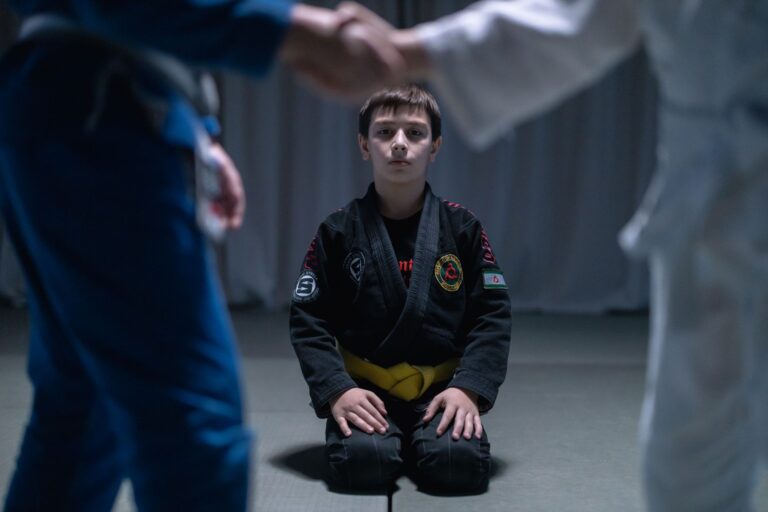
When parents search for how much is gracie jiu jitsu for kids in Houston, they’re often weighing more than just price—they’re looking for a program that will actually stick, build confidence, and fit into their family’s life. The cost of kids’ jiu jitsu varies widely depending on the academy, instructor credentials, facility quality, and what’s included beyond mat time, which is why understanding what you’re paying for matters as much as the number itself.
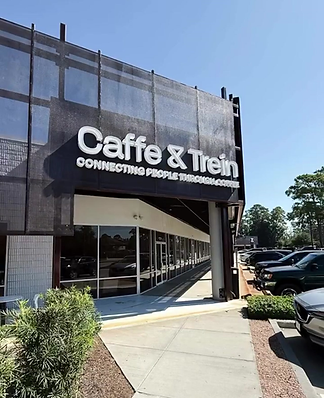
At Trein Club in the Oak Forest neighborhood, we’ve built our kids’ program around the belief that championship-level instruction shouldn’t come with an intimidating price tag or a culture that makes beginners feel out of place. Our classes are taught by Pedro Araujo—a 4x Jiu-Jitsu World Champion—and his accomplished team, and they’re designed to transform confidence, focus, and discipline in children who’ve never connected with traditional team sports. Beyond the mats, your membership includes access to our 19,000-square-foot wellness hub with yoga, strength training, recovery services, and our in-house café, all built around the idea that growth happens when training is supported by community.
The real question isn’t just what jiu jitsu costs—it’s what your child gains from training in a space that’s intentionally designed to welcome all levels and all bodies.
How Much Does Gracie Jiu-Jitsu Cost for Kids? (2024 Price Guide)
Gracie Jiu-Jitsu for kids generally ranges from $150 to $250 per month across most U.S. metro areas, with premium academies in Houston, Los Angeles, and New York pushing closer to $200–$300. The final number depends on whether you enroll at an official Gracie Barra or Gracie University-certified academy, a local affiliate, or through the online Gracie Bullyproof platform. Beyond tuition, families should also budget for a gi, occasional belt testing fees, and annual registration — small line items that add up fast if nobody flags them upfront.
What follows is a full breakdown of what parents are actually paying in 2024, what’s included, and where the hidden costs tend to hide. If your goal is to give your child the confidence, discipline, and self-defense skills that made Gracie Jiu-Jitsu famous, this guide will help you compare options honestly — including how a champion-led program like the kids’ BJJ curriculum at Trein Club in Houston measures up against the traditional Gracie model.
Average Monthly Tuition for Kids’ Gracie Jiu-Jitsu Classes
Monthly tuition is the single biggest expense, and it varies more than most parents expect. The national average for kids’ Gracie or Gracie-lineage jiu-jitsu hovers around $180 per month, but the figure shifts based on brand licensing, class frequency, and whether the academy sits in a major metropolitan market.
Gracie Barra Kids Program Pricing
Gracie Barra operates the largest network of certified kids’ BJJ programs in the world, structured across three age groups: Little Champions (3–6), Juniors (7–12), and Teens (13–15). Monthly tuition at Gracie Barra schools typically lands between $160 and $220 per month for unlimited classes, though some flagship locations charge $250 or more. Most schools also require an annual registration fee of $50–$100 and a uniform package (Gracie Barra branded gi) that runs another $80–$120. Class frequency is usually 2–3 times per week, and the curriculum is standardized across the network — a plus if you value consistency when traveling, a minus if you’d prefer more flexibility from your local head instructor.
Gracie University Bullyproof Online Program Cost
Gracie University’s Bullyproof program is the online, at-home version of the Gracie kids curriculum developed by Rener and Ryron Gracie. A Gracie University subscription costs $29.95 per month or roughly $300 per year when paid annually, giving families access to the full Bullyproof video library, drills, and a progress-tracking system. It’s an excellent supplement — and a genuine option for rural families with no local academy — but it’s not a full substitute for mat time, live sparring, and the social discipline that comes from training alongside other kids under a coach.
Local Gracie Affiliate Gym Pricing vs. Official Academies
Gracie-lineage affiliate gyms (schools led by black belts trained by the Gracie family but not officially licensed as Gracie Barra or Gracie Humaita) often price a bit lower — $130–$180 per month — while teaching essentially the same technical curriculum. The trade-off: less brand consistency, but often more coach attention, smaller class sizes, and greater flexibility on schedule and pricing. Boutique academies like Trein Club, founded by 4x World Champion Pedro Araujo, fall into this category and typically bundle premium facilities, recovery amenities, and family discounts that pure Gracie-branded schools rarely offer.
What’s Included in a Kids’ Gracie Jiu-Jitsu Membership?
Before signing anything, ask what your monthly fee actually covers. A well-structured kids’ membership should include unlimited access to age-appropriate classes, belt evaluations, and open mat sessions where kids can drill freely with peers. Some academies also add seminars, in-house tournaments, and a parent community — small extras that dramatically improve retention.
Classes Per Week and Belt Progression for Children
Most kids’ Gracie programs offer 2 to 4 classes per week, with 45–60 minute sessions built around warm-ups, technique drilling, positional sparring, and a game-based finish. Kids’ belts follow a separate progression from the adult system — white, gray, yellow, orange, and green — with stripes awarded along the way based on attendance, attitude, and technical growth. If you want a closer look at how classes flow day-to-day, this breakdown of how kids’ BJJ classes actually work is a helpful primer for first-time parents.
Required Gear and Gi Costs for Kids (What to Budget)
Beyond tuition, plan on the following one-time or occasional purchases:
- Kids’ gi (uniform): $60–$120 for a quality entry-level gi; branded Gracie Barra gis run higher.
- Rash guard (for no-gi classes): $25–$40.
- Mouthguard: $10–$20, recommended once kids start light sparring.
- Belt testing fees: $30–$75 per promotion at some academies (many quality schools include this).
- Annual IBJJF or federation registration: $40–$60, only if your child competes.
Many academies — Trein Club included — provide a loaner gi for trial classes so you don’t need to buy anything before deciding if the sport fits your child.
Gracie Bullyproof Program: Online vs. In-Person Cost Comparison
The Bullyproof brand has become synonymous with kids’ Gracie training, but the delivery method changes the math significantly.
Gracie University Bullyproof Subscription: Monthly and Annual Plans
The online Bullyproof program through Gracie University is the most affordable structured Gracie curriculum available — around $30 monthly or $300 annually. It’s especially useful for families in areas without a certified Gracie school, or as a supplement between in-person classes. Parents drill alongside their kids using video lessons, which builds a nice at-home routine. The catch: no live coaching, no partners outside the family, and no exposure to the varied resistance and social pressure that build real skill and confidence.
In-Person Bullyproof Classes at Certified Gracie Academies
In-person Bullyproof classes at certified Gracie academies typically cost $160–$220 per month, the same range as standard Gracie Barra kids’ programs. The value gap between online and in-person is significant: certified instructors correct technique in real time, kids learn to manage nerves against unfamiliar training partners, and they absorb the community aspect that makes jiu-jitsu stick. For anti-bullying outcomes specifically, in-person training is far more effective — see our deeper analysis on how BJJ helps kids deal with bullying for the reasons why.
Hidden Fees to Watch Out for at Gracie Jiu-Jitsu Gyms
The sticker price is rarely the full price. Ask direct questions during your tour and get everything in writing before you commit.
Enrollment Fees, Belt Testing Fees, and Annual Charges
Common add-ons at Gracie-affiliated academies include:
- Enrollment or registration fee: $50–$150 one-time.
- Annual membership renewal: $75–$150 per year on top of monthly dues.
- Belt promotion fees: $30–$75 per stripe or belt at some schools.
- Contract cancellation fees: Some franchises lock families into 12-month agreements with buy-out clauses.
- Required branded gear: Some schools mandate you buy their branded gi and patches only.
Why Some Gracie Barra Gyms Won’t Share Rates Upfront
You’ll notice many franchise-style schools refuse to publish or quote pricing over the phone. This is a deliberate sales tactic — they want you on the mat, emotionally invested in your child’s excitement, before revealing the number. It’s not always malicious, but it is frustrating. Independent academies like Trein Club take the opposite approach: transparent pricing, a real 3-class trial before you commit, and no pressure to sign a long-term contract on day one.
Is Gracie Jiu-Jitsu Worth the Cost for Kids?
For most families, yes — but the value depends heavily on the coach, the culture, and how consistently your child shows up. Jiu-jitsu is one of the few activities that scales with a child from age 4 through adulthood, teaching problem-solving under pressure in a way soccer or karate simply can’t replicate.
Anti-Bullying and Self-Defense Benefits for Children
The Bullyproof curriculum was designed specifically around de-escalation and non-violent conflict resolution before any physical technique. Kids learn verbal boundary-setting, situational awareness, and — only as a last resort — the grappling skills to neutralize a larger attacker without throwing a punch or kick. Parents consistently report improvements in confidence, focus, and emotional regulation within 60–90 days. Introverted kids benefit especially, because BJJ rewards patience and problem-solving over aggression and size.
How Gracie Kids Programs Compare to Other Martial Arts in Price
Compared to other martial arts, Gracie Jiu-Jitsu sits in the middle of the market:
- Taekwondo / Karate: $100–$180/month, plus frequent belt testing fees ($50–$100 each).
- Muay Thai / Kickboxing for kids: $130–$200/month — see our breakdown on how much Muay Thai lessons cost.
- Gracie / BJJ: $150–$250/month, fewer testing fees, longer belt cycles.
- Judo: $80–$150/month, but far fewer schools available.
BJJ tends to have longer belt cycles (a kid may spend 1–2 years on gray belt), which means fewer testing fees but slower external recognition — a fair trade for deeper skill acquisition.
Tips for Getting the Best Deal on Kids’ Gracie Jiu-Jitsu
Price transparency and flexibility are steadily improving across the industry, especially at independent academies. Here’s how to get the most value for your money.
Family Discounts, Trial Classes, and Negotiating Membership Rates
Most quality academies offer:
- Family discounts: 10–25% off when a parent and child both enroll, or when siblings train together.
- Trial packages: A single free class or a multi-class trial (Trein Club offers a 3-class trial before you commit).
- Annual prepay discounts: Paying 6 or 12 months upfront often saves 10–15%.
- Referral credits: Free month or gear for bringing a friend.
Don’t hesitate to ask directly what promotions are available. Independent academies in particular have room to negotiate — franchise locations, less so.
Choosing Between Online Gracie University and a Local Academy
Go with online Bullyproof if: you live far from any certified school, your child is very young (3–5) and just starting out, or you want a supplement between in-person classes. Pick a local academy if: you value real coaching, want your child surrounded by peers, or care about long-term belt progression and competitive options. For most families in a major city like Houston, in-person training at an independent, champion-led academy delivers the strongest results — especially when the environment is family-focused rather than hyper-competitive.
FAQ: How much does Gracie Jiu-Jitsu cost per month for kids?
Kids’ Gracie Jiu-Jitsu typically costs $150–$250 per month at in-person academies, or about $30 per month through the online Gracie University Bullyproof program. Major metro areas and premium boutique academies with recovery amenities sit at the higher end; smaller local schools and Gracie-lineage affiliates often price 10–20% lower.
FAQ: What is the Gracie Bullyproof program and how much does it cost?
Gracie Bullyproof is a kids-specific curriculum developed by Rener and Ryron Gracie focused on anti-bullying, verbal de-escalation, and grappling-based self-defense. Online access through Gracie University costs about $29.95/month or $300/year. In-person Bullyproof classes at certified Gracie academies run $160–$220/month.
FAQ: Do kids need a Gi to start Gracie Jiu-Jitsu and how much does one cost?
Yes, kids need a gi for most classes, but not right away. Most academies (including Trein Club) loan a gi for the first few trial classes. A quality kids’ gi costs $60–$120. Branded Gracie Barra gis sit at the higher end and are often required at franchise schools.
FAQ: Is there a free trial class available at Gracie Jiu-Jitsu academies for kids?
Most academies offer at least one free trial. Trein Club in Houston offers a 3-class trial so kids and parents can experience the culture, coaching, and community before committing. Official Gracie Barra locations typically offer one free intro class; some require booking through a sales representative.
FAQ: What age can kids start Gracie Jiu-Jitsu?
Most programs accept kids starting at age 3 or 4 in a “Little Champions” or “Tiny Tots” format focused on movement, coordination, and games. Structured technique classes usually begin around age 6–7. Teen programs continue through age 15 before transitioning to adult classes.
FAQ: Why won’t some Gracie Barra gyms tell me pricing over the phone?
Franchise-style schools often withhold pricing to bring you in for an in-person tour, where sales conversion rates are much higher. It’s a standard sales tactic, not a scam — but it is a signal to also visit independent academies that publish rates openly and let you sample classes without pressure.
FAQ: Is the Gracie University online kids program as effective as in-person classes?
No — but it’s a solid supplement. Online Bullyproof teaches the curriculum and mindset well, though kids miss live coaching, real training partners, and the social discipline of a mat community. For anti-bullying and self-defense outcomes specifically, in-person training with a qualified coach is significantly more effective. Treat online as a support tool, not a replacement.