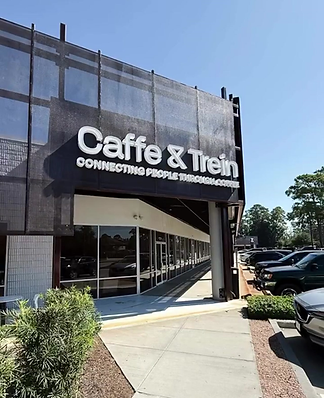
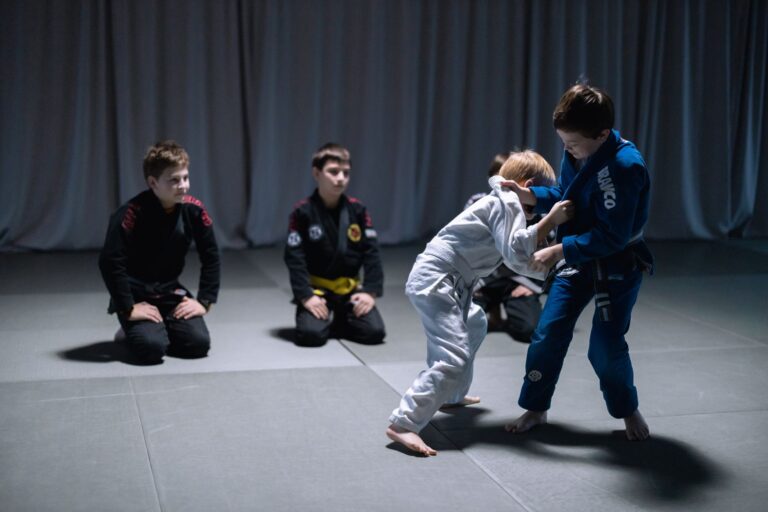
The cost of jiu-jitsu for kids varies widely depending on the academy, location, and program structure, but most quality Brazilian Jiu-Jitsu schools in Houston range from $80 to $200+ per month for children’s classes. What you’re really paying for, though, isn’t just a monthly fee—it’s access to instruction, facility quality, class frequency, and the environment where your child will actually want to show up and grow. At Trein Club in Oak Forest, we’ve built our kids program around something parents tell us repeatedly: their children transform. Kids develop genuine confidence, laser focus, and the kind of discipline that spills into every area of their lives, especially those who’ve never clicked with traditional team sports.
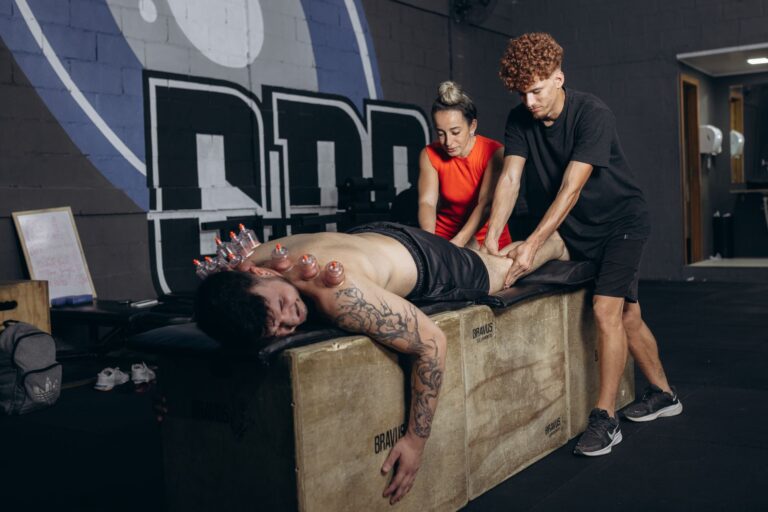
Beyond pricing, the real question is whether the academy offers what your family actually needs: experienced, patient instructors who understand how to teach children; a clean, safe, welcoming space; and a culture where beginners feel supported, not intimidated. We designed Trein Club to be more than a gym—it’s a wellness hub where your child learns from champions, trains alongside a genuine community, and has access to recovery tools and resources most kids’ programs don’t offer. The investment isn’t just in classes; it’s in your child’s growth, confidence, and sense of belonging.
How Much Does Jiu-Jitsu Cost for Kids? (2024 Complete Breakdown)
If you’re a parent looking into Brazilian Jiu-Jitsu for your child, one question tends to surface before all others: what will this actually run me each month? The straightforward answer is that kids BJJ tuition in the United States typically falls between $80 and $250 per month, with most reputable academies clustering around the $130–$180 mark. That figure, however, only paints part of the picture. Once you factor in the gi, registration, belt promotions, and optional tournaments, the true annual investment climbs a bit higher — and what you get in return varies enormously depending on who’s teaching your child and how the program is built.
This guide walks through every line item parents should anticipate, what pushes the price up or down, how kids BJJ stacks up against other youth sports, and how to identify both overpriced gyms and suspiciously cheap ones. By the end, you’ll be able to step into any academy in Houston — or anywhere else — and size up a price tag with confidence.
Average Monthly Cost of Kids BJJ Classes by Region
Geography is one of the largest variables at play. A kids BJJ program in a rural Midwest town rarely charges what a boutique academy in Los Angeles or Houston does, and the gap usually reflects real overhead — rent, mat square footage, instructor payroll, insurance — rather than pure markup.
Typical Price Range: $80–$250/Month Explained
At the low end, roughly $80–$110 per month, you’ll generally find community centers, YMCAs, or garage-style gyms where classes may be led by hobbyists or lower-belt instructors and mat time is limited. In the middle band of $120–$180 per month, you’ll find most established academies with certified black belt instructors, structured curriculums, and several weekly class options. Premium programs — $180–$250+ per month — typically bring world-class coaching, unlimited classes, dedicated kids curriculums organized by age and belt, and often a broader wellness environment with clean facilities, showers, and additional offerings like homeschool BJJ or summer camps.
Kids BJJ Costs in Major U.S. Cities vs. Small Towns
In major metros like New York, San Francisco, Los Angeles, Miami, and Houston, plan on paying in the $150–$250 range for a well-run kids program. In smaller cities and suburbs, comparable instruction usually sits closer to $110–$150. Rural towns can dip as low as $70–$90, though options are usually scarce. Houston specifically lands in the middle of the metro range: parents in neighborhoods like Oak Forest, the Heights, Garden Oaks, and Timbergrove typically budget between $150 and $200 per month for a serious, championship-caliber program.
How Kids’ Class Pricing Compares to Adult BJJ Memberships
Kids programs almost always come in 10–25% below adult memberships at the same academy. Part of that reflects shorter classes (usually 45 minutes vs. 60–90 for adults), and part is a deliberate move to ease family enrollment. Many academies also offer sibling discounts and family bundles that add a second child at 25–50% off, which effectively brings the per-kid cost down even further.
What Factors Affect the Price of Kids Jiu-Jitsu Classes?
Academy Reputation and Instructor Belt Level
The single biggest driver of price is who’s actually on the mat teaching. A program led by a decorated black belt — especially a world champion — commands a premium because the instruction is measurably better: cleaner technique, safer training, and a curriculum shaped by real competitive experience. A blue or purple belt teaching in a strip mall can deliver perfectly solid fundamentals, but the ceiling is lower. When you pay $180 instead of $110, you’re often paying for the gap between someone who learned BJJ and someone who mastered it.
Class Frequency: Unlimited vs. Limited Sessions Per Week
Most academies structure pricing around how often your child can train. A “2x per week” plan is the most common entry tier. “Unlimited” plans cost more but tend to be the better value if your child falls in love with the sport, which many do quickly. If you’re unsure how many days per week kids should train, the general guideline is 2–3 sessions to start, scaling up as commitment grows.
Location and Local Cost of Living
Rent is the invisible tax on every gym’s price sheet. A 19,000-square-foot facility in an urban area with natural light, showers, and a recovery lounge simply costs more to operate than a bare-bones warehouse — and that shows up in tuition. The trade-off is a better experience: cleaner mats, safer floors, and a space kids genuinely want to return to.
Contract Length: Month-to-Month vs. Annual Memberships
Month-to-month plans give flexibility but typically add 10–20% to the monthly rate. Annual commitments unlock the lowest rates, and many gyms offer a middle option — a 6-month agreement — that balances savings with flexibility. Before signing anything longer than a month, always ask about the cancellation and freeze policies, especially if your family travels or your child juggles other seasonal activities.
One-Time and Hidden Costs Parents Should Budget For
Kids BJJ Gi (Kimono) Cost: $50–$150
Every child needs at least one gi (the traditional uniform). Entry-level kids gis start around $50–$70 and are perfectly acceptable for beginners. Mid-tier gis from brands like Tatami, Fuji, or Gameness run $80–$120 and hold up better through frequent washing. If your child trains 3+ times a week, plan on owning two gis so one is always clean and dry.
Enrollment and Registration Fees
Some academies charge a one-time registration fee of $50–$150 to cover onboarding, insurance, and often a starter gi. Others waive this entirely, particularly when you sign up after a trial. Always ask upfront — a “$99/month” ad paired with a $200 registration fee is a very different offer than it appears.
Belt Testing and Stripe Fees
Kids in BJJ progress through a color belt system (white, gray, yellow, orange, green) with stripes in between. Some gyms charge $25–$75 per promotion to cover the new belt and certificate; others fold promotions into tuition. If you’re curious about how belt progression actually works, our guide on belt progression in jiu-jitsu walks through the full ranking system.
Competition Entry Fees (Optional)
Tournaments are completely optional but common. Local kids tournaments run $60–$100 per entry; IBJJF events range from $85–$130. Add travel and lodging for out-of-town events. Most kids don’t compete in year one, so this is a category you can defer. When your child is ready, our post on readiness to compete in BJJ is a useful checkpoint, and mental strategies before a match can help them prepare.
Is Kids BJJ Worth the Cost? Value vs. Price Analysis
Physical and Mental Benefits That Justify the Investment
Parents consistently describe kids BJJ as transformative — not because their child becomes a fighter, but because of what unfolds off the mats. Regular training builds:
- Confidence and self-esteem, particularly in shy or anxious kids who don’t thrive in team sports.
- Focus and discipline, from following structured drills and respecting a defined class hierarchy.
- Physical literacy: balance, coordination, strength, and body awareness that carry into every other sport.
- Anti-bullying skills and emotional regulation. We cover this specifically in how BJJ helps kids deal with bullying.
- Real self-defense ability grounded in leverage and technique rather than aggression.
How BJJ Compares in Cost to Other Kids’ Sports and Martial Arts
Broken down per session, BJJ is one of the best values in youth athletics. A $170/month unlimited plan with 4 classes per week works out to roughly $10.60 per class. Compare that to:
- Club soccer: $1,500–$3,000+ per year, plus travel.
- Competitive gymnastics: $200–$400/month.
- Private tennis lessons: $60–$120 per hour.
- Traditional karate/TKD: $120–$200/month, often with heavier belt-testing fees.
- Ice hockey: $2,000–$10,000/year with equipment.
BJJ delivers year-round training, individualized attention, and a genuine skill — not seasonal play — at a fraction of the cost of most club sports.
How to Find Affordable Kids BJJ Classes Without Sacrificing Quality
Free Trial Classes and Intro Sessions to Test Before Committing
Any serious academy will let your child try a class — or several — before you sign anything. Trein Club, for example, offers a “Come experience 3 classes before you commit” trial so parents can see the coaching, the culture, and the fit firsthand. Never sign a long-term contract without at least one live class. If you want a sense of what that first visit looks like, our overview of how kids BJJ classes work walks through a typical session.
Family Discounts and Sibling Deals at BJJ Academies
Ask directly. Most gyms don’t publicize these deals but will offer 15–50% off a second family member. If both parents and one or more kids are interested, ask about a “family plan” that flat-rates everyone under one household — this can be dramatically cheaper than four individual memberships.
Scholarships, Community Programs, and Sliding-Scale Pricing
Many academies quietly reserve scholarship spots for families who can’t otherwise afford training. Local Boys & Girls Clubs, YMCAs, and PALs sometimes host BJJ programs at very low cost. If tuition is a barrier, ask — most gym owners were once broke students themselves and remember it.
Negotiating Rates and Asking About Autopay Discounts
Autopay discounts of 5–10% are common. Prepaid quarterly or annual plans often unlock another 10–15%. Military, first responder, and teacher discounts exist at many gyms but aren’t always advertised. It never hurts to ask politely; the worst answer is no.
What Age Can Kids Start BJJ and Does Age Affect Cost?
Minimum Age Requirements at Most Academies (Typically 4–6 Years Old)
Most academies open kids programs at age 4 or 5, with a “Little Champions” or “Tiny Tigers” style class focused on games, coordination, and basic movement more than technique. By age 6–7, kids transition into structured beginner classes. Teen programs typically start around age 13 and blend more advanced technique with elements of the adult curriculum.
Pricing Differences Between Little Kids, Juniors, and Teen Programs
Little kids classes (4–6) are often priced slightly lower ($100–$140/month) because they’re shorter and less frequent. Junior programs (7–12) sit at the standard kids rate. Teen programs (13+) sometimes edge closer to adult memberships since teens often train alongside adults in fundamentals classes. If you have multiple kids across age groups, this is where sibling discounts become especially valuable.
Red Flags: When a Kids BJJ Price Is Too High or Too Low
Signs a Gym Is Overcharging for Kids Classes
Watch out for:
- Monthly rates above $250 without corresponding credentials (world-class instructors, premium facility, unlimited access, or additional programming).
- Aggressive long-term contracts (2–3 years) with steep cancellation penalties.
- Constant “mandatory” belt-testing fees every 6–8 weeks.
- Upsells for “black belt club” or “leadership program” tiers that feel more like sales funnels than curriculum.
Why Extremely Cheap BJJ Can Be a Warning Sign
Prices under $70/month should raise questions, not celebration. Ask: Who’s teaching? What’s their belt rank and lineage? How clean are the mats? Is the space insured? Cheap BJJ often signals undertrained instructors, poor supervision (a genuine safety issue with kids), or unclean equipment that leads to skin infections. Quality instruction is worth paying for — especially when your child’s body and confidence are on the line.
Frequently Asked Questions
How much does kids BJJ cost per month on average?
Across the U.S., the average lands around $140–$170 per month for a quality kids BJJ program with 2–3 classes per week. Metro areas like Houston, Los Angeles, and New York trend a bit higher; smaller markets trend a bit lower. Expect the total first-year investment — tuition, gi, registration — to land between $1,700 and $2,400.
Is $250 a month too much for kids jiu-jitsu classes?
Not necessarily. At $250/month, you should be receiving some combination of: instruction from a black belt with real credentials (ideally a world champion or their direct team), unlimited classes, a premium facility, and additional value like access to yoga, homeschool programs, or summer camps. If you’re getting a bare-bones 2x/week program at that price with no differentiators, it’s overpriced. If you’re getting elite coaching in a full wellness environment, it’s a fair market rate.
What equipment does my child need to start BJJ and how much does it cost?
To start, your child needs one gi ($50–$120), a mouthguard ($10–$25), and a water bottle. That’s it. No shoes, no gloves, no pads. Some parents add a rash guard ($25–$40) for no-gi classes later. Total realistic startup gear cost: $80–$150.
Are there free or low-cost kids BJJ programs available?
Yes. Many YMCAs, PALs (Police Athletic Leagues), and community centers offer subsidized youth martial arts. Some private academies run scholarship spots, sliding-scale tuition, or trade-based memberships for families in need. Free trials are also universal at reputable gyms — never pay before trying at least one class.
How many days per week should kids train BJJ?
For beginners, 2 days per week is ideal — enough to build skill and habit without burnout. As kids progress and enjoyment grows, 3–4 sessions per week produce noticeably faster development in technique, confidence, and fitness. Competitive kids often train 4–5 times per week, but that’s a choice, not a requirement. The best schedule is the one your child looks forward to.