What does mobility training do? For athletes and martial artists, it’s the difference between moving freely and hitting invisible walls—between recovering faster and staying sore, between preventing injury and dealing with chronic pain. Mobility training improves your range of motion, joint stability, and movement quality, which directly translates to better performance on the mat, in the gym, and in everyday life. At Trein Club in Houston, we’ve seen firsthand how intentional mobility work transforms not just how people move, but how they feel and perform.
Whether you’re a BJJ competitor looking to escape submissions more explosively, a parent whose kid is building confidence through martial arts, or a working professional seeking balance after a desk-bound day, mobility training addresses a real gap most traditional gyms ignore. Our yoga and mobility programs, led by Pedro Araujo—a 4x Jiu-Jitsu World Champion and 500+ hour certified yoga trainer—blend Vinyasa flow with athlete-specific mobility work and breathwork to connect mind and body. The result isn’t just flexibility; it’s longevity, injury prevention, and the freedom to move the way you’re meant to.
What Is Mobility Training? A Clear Definition
Mobility training is the practice of improving your ability to move a joint actively through its full available range of motion — with control, strength, and stability. Unlike passive stretching, which simply lengthens tissues, this type of work integrates the joint capsule, surrounding muscles, connective tissue, and nervous system so that the range you have becomes usable under load. When people ask what mobility training does, the short answer is this: it turns theoretical flexibility into real, functional movement you can access on the mats, in the weight room, or when you bend down to pick up your kid.
At Trein Club, mobility is woven into nearly everything we do — from yoga flows led by Pedro Araujo to strength and conditioning sessions, and even the way athletes warm up before Brazilian Jiu-Jitsu training. It is the connective thread between flexibility, strength, and longevity.
Mobility vs. Flexibility: Understanding the Key Difference
Flexibility is passive — how far a muscle can be lengthened when something else moves it (gravity, a partner, a strap). Mobility is active — how far you can move a joint using your own muscles, with control, at both end ranges. A gymnast with the splits has flexibility. A grappler who can lift their leg into that same position, hold it, and generate force from there has mobility. That distinction matters because injuries and stalled performance almost always occur in the gap between what your body can passively reach and what it can actively control.
Mobility vs. Stability: Why Both Matter for Movement
Stability is your ability to control a joint under load, especially near end ranges. Mobility without stability creates loose, unprotected joints; stability without mobility creates stiffness and compensations up and down the kinetic chain. The two are partners, not opposites. If you want to dive deeper, our guide on the purpose of stability and mobility training breaks down how they work together to build a resilient, athletic body.
What Does Mobility Training Actually Do to Your Body?
Mobility work produces measurable changes in three interconnected systems: your joints, your muscular and myofascial tissue, and your nervous system. Understanding each layer explains why consistent practice feels transformative rather than incremental.
How Mobility Training Affects Your Joints and Range of Motion
Joints are surrounded by capsules — dense connective tissue that both stabilizes and, when neglected, restricts movement. Loading a joint through its end ranges signals the capsule to remodel, improving synovial fluid circulation (the “oil” that lubricates the joint) and expanding usable range. This is why controlled articular rotations feel stiff for weeks and then suddenly open up: the tissue is literally being rebuilt.
What Mobility Training Does to Muscles and Myofascial Tissue
Muscles and fascia adapt to the positions you spend most of your time in. Hours at a desk shorten hip flexors and glue fascial layers together; targeted drills, foam rolling, and active stretching restore glide between tissue layers, reduce adhesions, and re-lengthen chronically shortened muscles. The result is tissue that is both more pliable and more responsive under contraction.
How Mobility Work Influences the Nervous System and Motor Control
Range of motion is ultimately gated by your nervous system. Your brain will not allow you into positions it does not trust. Active end-range work and slow, controlled reps teach the nervous system that these positions are safe and controllable. Over time, this expands the “movement map” your brain is willing to grant you access to, unlocking range that felt permanently locked.
Top Benefits of Mobility Training Backed by Research
Reduces Injury Risk During Exercise and Daily Life
Most non-contact injuries happen when a joint is forced into a range it can’t actively control. By expanding controlled range, this practice gives your body a wider margin of safety — the awkward grip break in jiu-jitsu, the slip on wet tile, the sudden reach for a falling object all become non-events instead of tears and strains.
Improves Athletic Performance and Strength Output
Better hip mobility means deeper, stronger squats. Better thoracic mobility means a more powerful punch, a cleaner overhead press, and sharper guard retention. Mobility unlocks positions where force can actually be produced, which is why strong athletes with good range consistently outperform equally strong athletes without it.
Relieves Chronic Pain and Muscle Tension
Chronic tightness — the perpetually stiff neck, the aching lower back — is often the body’s protective response to instability or poor movement patterns. Restoring mobility around the affected joints frequently resolves the pain because the underlying dysfunction is corrected, not just masked.
Enhances Posture and Functional Movement Patterns
Posture is largely determined by which muscles are strong, which are weak, and what range each joint has available. Consistent work restores the range needed to stand tall, breathe deeply, and move efficiently without conscious effort.
Supports Balance, Coordination, and Fall Prevention
Balance depends on your ability to shift weight through your ankles, hips, and spine quickly and precisely. Mobility training sharpens the proprioceptive feedback loops that make balance possible — a benefit that matters at every age but becomes essential as we get older.
Speeds Up Recovery Between Training Sessions
Gentle movement between hard sessions increases circulation, flushes metabolic waste, and reduces post-training stiffness. Combined with recovery modalities like our cold plunge therapy and infrared sauna, mobility becomes a powerful accelerator.
Who Needs Mobility Training? (And Who Benefits Most)
Mobility Training for Athletes and Weightlifters
Every serious athlete hits a ceiling that isn’t about strength or cardio — it’s about position. Grapplers need hip mobility to attack and defend guard. Lifters need ankle and thoracic range to squat and press. Strikers need shoulder and hip rotation to generate power. Mobility is often the missing variable between plateau and progress.
Mobility Training for Sedentary or Desk-Bound Adults
Sitting eight hours a day tightens hip flexors, weakens glutes, rounds shoulders, and stiffens the thoracic spine. For desk workers, this practice is not optional — it’s a corrective necessity that prevents the cascade of aches, poor posture, and eventual injury that sedentary life produces.
Mobility Training for Older Adults and Fall Prevention
Loss of mobility, more than loss of strength, is what drives the decline in independence with age. Consistent work maintains the joint range needed to get off the floor, reach overhead, and recover from a stumble — the everyday movements that determine quality of life at 70 and beyond.
Mobility Training for People Recovering from Injury
After an injury, intelligently applied mobility work restores range that immobilization stole and rebuilds nervous system trust in the affected area. It bridges the gap between physical therapy and a return to full training.
Key Types of Mobility Training Exercises
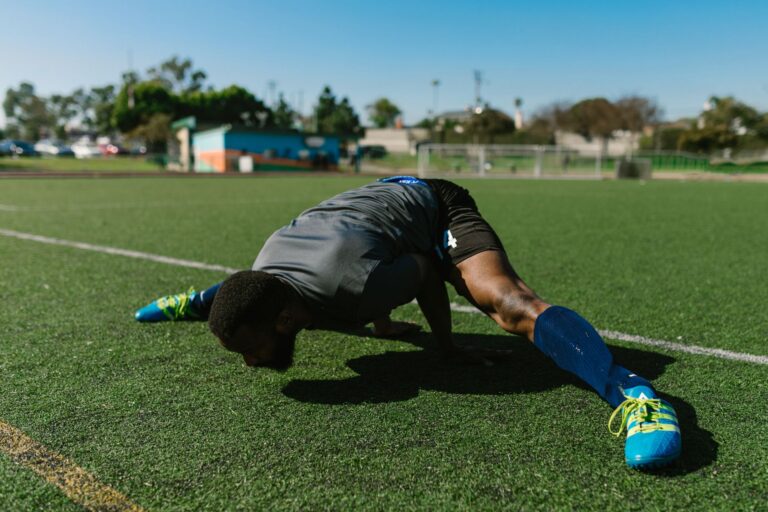
Dynamic Stretching and Active Range-of-Motion Drills
Leg swings, arm circles, walking lunges with rotation — dynamic drills move joints through progressively larger ranges while the muscles are actively working. They prepare the body for training and improve usable range over time.
Joint Circles and Controlled Articular Rotations (CARs)
CARs are slow, maximum-effort circles performed at each major joint — hips, shoulders, spine, ankles. Done daily, they map and preserve joint range while sending the nervous system clear signals about what territory is safe.
Foam Rolling and Myofascial Release Techniques
Foam rollers, lacrosse balls, and massage guns break up fascial adhesions and improve tissue quality. They’re most effective when paired with active movement rather than used as standalone stretching.
Yoga and Movement Flow for Mobility
Yoga is one of the most complete mobility systems ever developed. At Trein Club, Pedro leads Vinyasa classes that combine breath, strength, and active range in continuous flow — a format proven to build range that transfers directly to athletic performance. If you’re new to it, our primers on how to do Vinyasa flow properly are good starting points.
Resistance-Based Mobility: How Heavy Training Can Improve Mobility
Full-range strength work — deep squats, Romanian deadlifts, overhead presses, controlled pull-ups — builds range that is owned, not borrowed. Loading tissue through range is one of the most powerful interventions available and a cornerstone of our strength and conditioning program.
How to Build a Mobility Training Routine
How Often Should You Do Mobility Training?
For most people, 4–6 sessions per week of 10–20 minutes produces noticeable change within a month. Daily short sessions beat occasional long ones. Our detailed breakdown on how often you should do mobility training covers exactly how to scale frequency to your goals, and how to combine it with strength work without over-training.
Best Time to Do Mobility Work: Pre-Workout, Post-Workout, or Standalone?
Dynamic, active drills belong pre-workout as part of a warm-up. Longer holds and deep flexibility work fit better post-workout or as standalone sessions when muscles are warm and the nervous system isn’t in “prepare to perform” mode. For a full breakdown, see our guide on when to do mobility training.
Sample Beginner Full-Body Mobility Routine (15–20 Minutes)
- 2 minutes: cat-cow and thoracic rotations on all fours
- 2 minutes: hip CARs, each side
- 2 minutes: 90/90 hip switches
- 2 minutes: deep squat hold with reaches
- 2 minutes: shoulder CARs, each side
- 2 minutes: world’s greatest stretch, alternating sides
- 2 minutes: ankle rocks and calf stretches
- 2 minutes: seated spinal twists
- 2 minutes: down-dog to cobra flow
Perform each drill slowly, breathe deeply, and prioritize control over range. For more exercise ideas, explore our library of mobility training exercises.
Common Mistakes to Avoid in Mobility Training
Confusing Passive Stretching with Active Mobility Work
Sitting in a pigeon pose for two minutes stretches tissue but does not build the strength and control needed to actually use that range. Active work — moving into and out of end range under your own power — is what creates lasting change.
Skipping Mobility Because You Feel ‘Flexible Enough’
Flexibility without control is a liability, not an asset. Naturally flexible people often need this work more than tight people because their joints require active stability to remain protected at end range.
Overdoing Mobility Work and Causing Joint Instability
Chasing extreme range without building corresponding strength weakens joint structures over time. Mobility is a tool for performance and longevity, not a competition for how far you can bend.
Frequently Asked Questions
What does mobility training do for beginners?
For beginners, mobility training quickly reduces stiffness, improves posture, and makes everyday movements — squatting, reaching, twisting — feel easier. Most people notice reduced aches within two weeks and meaningful range gains within a month.
How long does it take to see results from mobility training?
Subjective changes (less stiffness, better sleep, easier movement) usually appear within 1–2 weeks. Measurable changes in joint range typically take 4–8 weeks of consistent work, and structural adaptations in connective tissue continue for months.
Can mobility training replace stretching?
Mobility training includes stretching but goes further by adding active control, strength at end range, and joint-specific work. For most people, a well-designed routine fully replaces standalone static stretching. Learn more about the main benefits of mobility training compared to traditional flexibility work.
Does mobility training help with back pain?
Yes — most non-pathological back pain stems from limited hip and thoracic mobility, which forces the lumbar spine to compensate. Restoring range at those joints often resolves the discomfort without directly targeting the back itself.
Is mobility training the same as warm-up exercises?
Not quite. A warm-up may include mobility drills, but the practice as a whole is much broader, aimed at long-term joint health and movement quality. A warm-up prepares you for today’s session; mobility training prepares you for the next decade.
Can you do mobility training every day?
Yes. Short daily sessions (10–15 minutes) are ideal and produce faster results than infrequent longer ones. The nervous system responds best to frequent, low-intensity exposure.
Does mobility training help with muscle building and strength?
Absolutely. Better range means deeper, safer, more effective reps in every strength movement — which translates directly to more muscle recruited and more strength built.
What is the difference between mobility training and physical therapy?
Physical therapy is a clinical intervention designed to treat specific injuries or dysfunctions. Mobility training is a preventative and performance-oriented practice for healthy individuals. The two overlap in technique but differ in purpose — mobility training is what keeps you out of the physical therapist’s office.