The benefits of cold plunge therapy extend far beyond the initial shock of stepping into freezing water. When your body is exposed to extreme cold, it triggers a cascade of physiological responses—reduced inflammation, accelerated muscle recovery, improved circulation, and enhanced mental resilience—that athletes and everyday movers alike are discovering as essential tools for performance and longevity. For Brazilian Jiu-Jitsu practitioners, grapplers, and anyone engaged in intense training, cold plunge therapy has become a game-changer in the recovery equation, working alongside proper nutrition, sleep, and active recovery to keep you training harder and feeling better.
At Trein Club in Houston, we’ve integrated cold plunge and contrast therapy into our recovery suite because we believe recovery is just as important as the work you put in on the mat or in the yoga studio. Whether you’re training BJJ, striking, strength and conditioning, or yoga, your body needs intentional recovery strategies to adapt, grow, and avoid burnout. Cold plunge therapy isn’t just about feeling tougher—it’s about respecting your body’s need to repair, rebalance, and evolve. It’s one of several evidence-backed modalities we’ve woven into Trein Club alongside massage, infrared sauna, and breathwork, all designed to support your training and your life.
What Is Cold Plunge Therapy? A Quick Overview
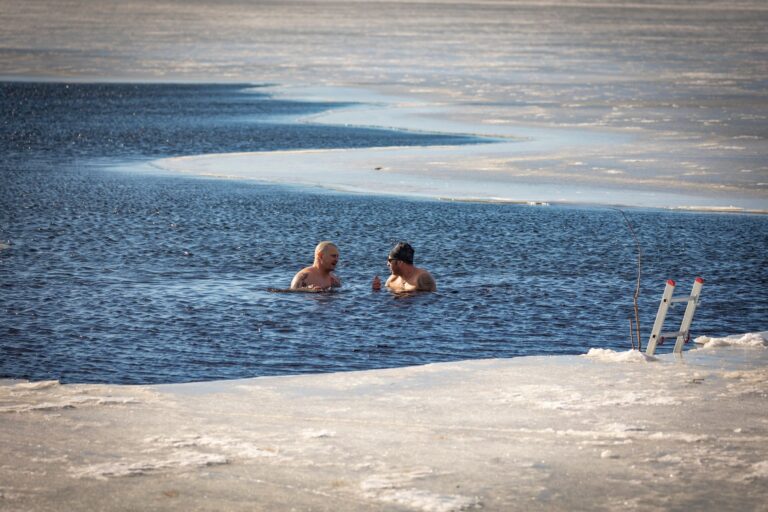
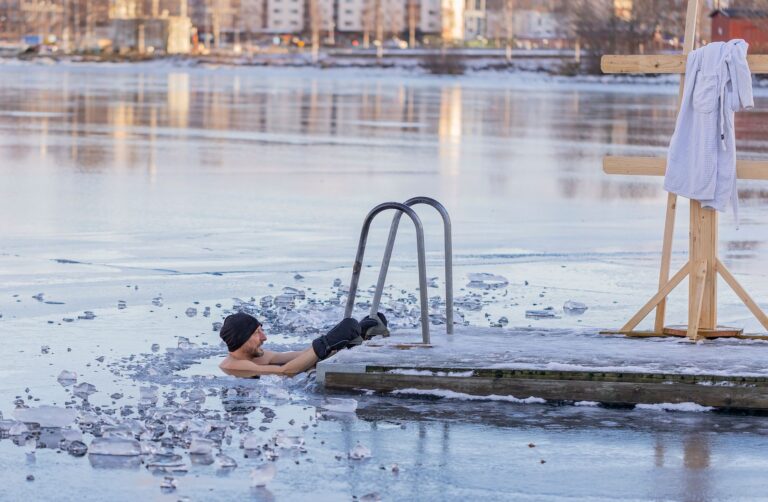
Cold plunge therapy — also referred to as cold water immersion (CWI) — involves submerging the body in water usually between 39°F and 55°F (4°C to 13°C) for a short, controlled window, typically two to five minutes. Once the exclusive domain of elite athletes and Nordic wellness rituals, this practice has entered the mainstream because the physiological response it provokes is both powerful and repeatable: blood vessels constrict, the nervous system shifts gears, and a cascade of hormones and neurotransmitters is released within seconds.
At Trein Club in Houston, the cold plunge sits alongside infrared sauna, compression therapy, and bodywork inside our recovery lounge — not as a trendy add-on, but as a serious tool for athletes, jiu-jitsu practitioners, and everyday members who train hard and want to feel better tomorrow than they did today. Understanding what happens the moment you step into that icy water is the first step to using it with intention.
Top Benefits of Cold Plunge Therapy Backed by Science
The benefits of cold plunge therapy are not folklore. A growing body of peer-reviewed research points to measurable improvements in recovery, inflammation, mood, immunity, and cardiovascular resilience. Here’s what the science — and the lived experience of thousands of practitioners — actually supports.
Faster Muscle Recovery and Reduced Soreness After Exercise
Cold water immersion narrows blood vessels and slows metabolic activity in muscle tissue, which limits the swelling and micro-damage that follow intense exercise. When you step out of the plunge, vessels dilate and freshly oxygenated blood floods the tissue, effectively flushing byproducts like lactate. Meta-analyses published in journals such as the British Journal of Sports Medicine and the Cochrane Database have found that CWI significantly reduces delayed onset muscle soreness (DOMS) 24 to 96 hours after training compared to passive recovery — a game-changer for BJJ athletes rolling multiple times a week.
Reduced Inflammation and Joint Pain Relief
Cold exposure lowers pro-inflammatory cytokines and can ease chronic joint discomfort — a familiar companion for grapplers, strikers, and anyone lifting heavy. For members combining mat time with mobility work, the anti-inflammatory effect of a plunge helps prevent small tweaks from escalating into chronic issues.
Improved Mood and Mental Health Through Endorphin Release
Stepping into cold water triggers a surge of norepinephrine (up to 5x baseline in some studies) alongside dopamine and beta-endorphins. The outcome is a distinctive post-plunge clarity and elevation that many describe as the best mood lift of their day. Preliminary research suggests regular cold exposure may reduce symptoms of depression and anxiety by modulating the vagus nerve and the stress-response system.
Boosted Immune System Function
The well-known PLOS ONE study on the Wim Hof method, along with separate Dutch research on regular cold showering, found that people who exposed themselves to cold water consistently reported fewer sick days and demonstrated measurable increases in white blood cell activity. Cold acts as a mild, controlled stressor that seems to prime the immune system.
Enhanced Circulation and Cardiovascular Health
Each plunge is essentially vascular training: arteries and veins constrict, then dilate. Over time, this “vascular gymnastics” improves endothelial function, blood pressure regulation, and circulation to the extremities. Healthy circulation supports everything from tissue repair to cognitive performance.
Increased Alertness, Focus, and Energy Levels
The norepinephrine spike also sharpens attention. Many members plunge in the morning specifically for the mental edge — a natural, sustained alertness without the crash of caffeine. Pair it with a coffee from Caffe & Trein and you have arguably the cleanest energy stack available.
Better Sleep Quality
By downregulating the sympathetic nervous system in the hours after exposure and helping lower core body temperature at night, regular cold plunging is linked to deeper slow-wave sleep. Athletes who plunge in the late afternoon frequently report faster sleep onset and fewer nighttime awakenings.
Potential Metabolic Benefits and Brown Fat Activation
Cold exposure activates brown adipose tissue (BAT), a metabolically active fat that burns calories to generate heat. While cold plunging alone is not a weight-loss strategy, activating BAT may modestly improve insulin sensitivity, glucose metabolism, and thermogenesis over time.
Cold Plunge Therapy and Heart Health: Benefits vs. Risks
The cardiovascular response to cold immersion is dramatic — which is precisely why it delivers benefits and why it demands respect.
How Cold Water Immersion Affects the Heart
Within seconds of entering cold water, heart rate briefly spikes, blood pressure rises, and peripheral vessels constrict to preserve core temperature. This is the “cold shock response.” In healthy individuals, the system recalibrates quickly, and repeated exposure appears to lower resting blood pressure and improve heart rate variability — both markers of cardiovascular fitness.
Who Should Avoid Cold Plunges for Cardiac Safety
Anyone with uncontrolled hypertension, arrhythmias, coronary artery disease, a history of stroke, or a pacemaker should consult a cardiologist before plunging. The initial cardiovascular stress is real and, in vulnerable systems, can trigger dangerous events.
What the Research Says: Clinical and Scientific Evidence
Key Studies on Cold Water Immersion (NIH, Harvard, and More)
NIH-indexed research has documented cold immersion’s effects on norepinephrine, inflammatory markers (IL-6, TNF-α), and post-exercise recovery. Harvard Health has covered the cognitive and mood benefits, while sports-science journals continue to refine protocols for temperature, duration, and timing around training. The consensus: the benefits are real, but dose matters.
What Experts from Mayo Clinic, Cleveland Clinic, and Rutgers Say
Mayo Clinic and Cleveland Clinic experts emphasize that cold plunging is a promising adjunct — not a cure-all — and stress medical clearance for anyone with cardiovascular concerns. Rutgers researchers have highlighted brown fat activation as a legitimate metabolic mechanism. Across institutions, the message is consistent: use cold plunge therapy intelligently, start conservatively, and integrate it into a broader wellness practice.
Cold Plunge vs. Ice Bath vs. Cryotherapy: What’s the Difference?
These terms often get used interchangeably, but they are not the same:
- Cold plunge: A dedicated tub with filtered, chilled water, typically 39–55°F. Consistent, clean, and controlled — ideal for daily practice.
- Ice bath: A tub filled with water and ice, usually 50–59°F depending on how much ice you add. Effective but less consistent and more of a chore to set up.
- Whole-body cryotherapy: A chamber blasting nitrogen-cooled air at -200°F or colder for two to three minutes. It feels intense but only affects the skin surface; water immersion penetrates deeper and generally produces stronger recovery effects.
How to Do a Cold Plunge Safely: Step-by-Step Guide
Recommended Water Temperature and Duration
For most people, the sweet spot is 50–55°F for 2 to 5 minutes. Colder isn’t necessarily better — cumulative exposure time (research often cites around 11 minutes per week total) appears to matter more than shocking temperatures. Enter slowly, control your breathing with slow nasal exhales, and step out before you start shivering uncontrollably.
How Often Should You Cold Plunge?
Three to five sessions per week is a strong baseline. Daily plunging is safe for most healthy adults, but be mindful of timing around hypertrophy training — see the FAQ below on pre vs. post workout.
Tips for Beginners: How to Build Cold Tolerance Gradually
- Start with 60–90 seconds at a slightly warmer temperature (around 55–60°F).
- Focus on long, controlled exhales; panic breathing amplifies the cold shock.
- Keep your hands out of the water on your first sessions if the sting is too intense.
- Warm up naturally afterward — resist the urge to jump straight into a hot shower.
- Stack it with breathwork or a Vinyasa yoga session to deepen the nervous-system benefits.
Contraindications and Who Should Not Try Cold Plunge Therapy
Cold plunge therapy is not appropriate for everyone. Skip it — or get medical clearance first — if you have:
- Uncontrolled hypertension or arrhythmias
- Coronary artery disease or a history of heart attack/stroke
- Raynaud’s syndrome or cold urticaria
- Peripheral neuropathy
- Pregnancy (consult your OB)
- Open wounds or active skin infections
- Epilepsy triggered by cold exposure
Never plunge alone if you’re new, never plunge under the influence of alcohol, and never submerge your head unless you’re trained and supervised.
Hot and Cold Contrast Therapy: Combining Sauna with Cold Plunge
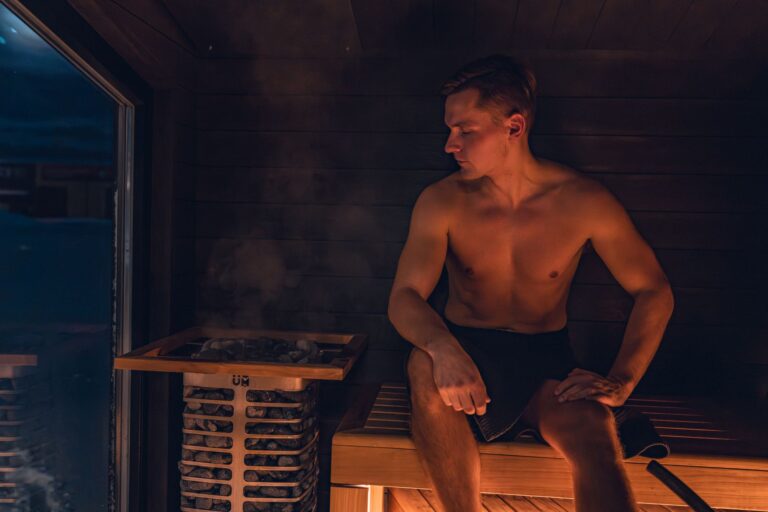
Alternating between an infrared sauna and a cold plunge — known as contrast therapy — amplifies the vascular pumping effect: vessels dilate in the heat, constrict in the cold, and dilate again. Members at Trein Club often cycle 10–15 minutes in the sauna followed by 2–3 minutes in the plunge, repeating two or three rounds. It’s arguably the most efficient recovery ritual we offer. If you’re new to heat exposure, our guides on how often to use an infrared sauna and how long to stay in an infrared sauna will help you build a smart contrast protocol.
Contrast therapy pairs particularly well with mobility training and jiu-jitsu recovery days, when circulation and tissue quality take priority over maximum strength adaptation.
Frequently Asked Questions About Cold Plunge Therapy
How long should you stay in a cold plunge to get benefits?
Two to five minutes per session is enough for most benefits. Research suggests that accumulating around 11 minutes of cold exposure per week — split across three or four sessions — is a strong target for the average person.
What temperature should a cold plunge be?
Between 39°F and 55°F. For beginners, 55°F is plenty; experienced plungers often work down toward 45°F. Going below 39°F offers diminishing returns and increases the risk of cold shock.
Does cold plunge therapy actually reduce muscle soreness?
Yes. Multiple meta-analyses confirm CWI reduces DOMS after intense or eccentric exercise. This is one of the most consistently supported benefits, which is why endurance and combat athletes have relied on it for decades.
Is cold plunge therapy safe for people with high blood pressure?
If your hypertension is well-controlled and your doctor clears you, brief and moderate cold exposure may actually help lower resting blood pressure over time. If it’s uncontrolled or you’re on multiple cardiovascular medications, avoid it until you’ve spoken to your physician.
Can cold plunges help with anxiety and depression?
Emerging evidence and strong anecdotal reports suggest yes. The norepinephrine and endorphin surge, combined with the vagal-tone benefits of controlled breathing under stress, can meaningfully improve mood. It is not a replacement for treatment, but it is a valuable adjunct.
Should you cold plunge before or after a workout?
For recovery, endurance sessions, or high-volume jiu-jitsu training: after is fine. However, if your goal is muscle hypertrophy or maximal strength, avoid cold plunging within 4–6 hours after lifting, since it can blunt the inflammatory signaling that drives muscle growth. Cold plunging before a workout or on rest days is an excellent way to capture the alertness and mood benefits without interfering with adaptation.
How often should you do cold plunge therapy for best results?
Three to five sessions per week is the sweet spot for most people. Daily is safe for healthy adults, especially at moderate temperatures. Listen to your body — if you feel run down or your sleep suffers, scale back.
What are the risks or side effects of cold plunge therapy?
The main risks are cold shock response, hyperventilation, hypothermia if you stay in too long, arrhythmias in vulnerable individuals, and slips or falls entering or exiting the tub. Done properly — moderate temperature, short duration, calm breathing, medical clearance if needed — cold plunge therapy is remarkably safe and one of the highest-ROI recovery tools available.