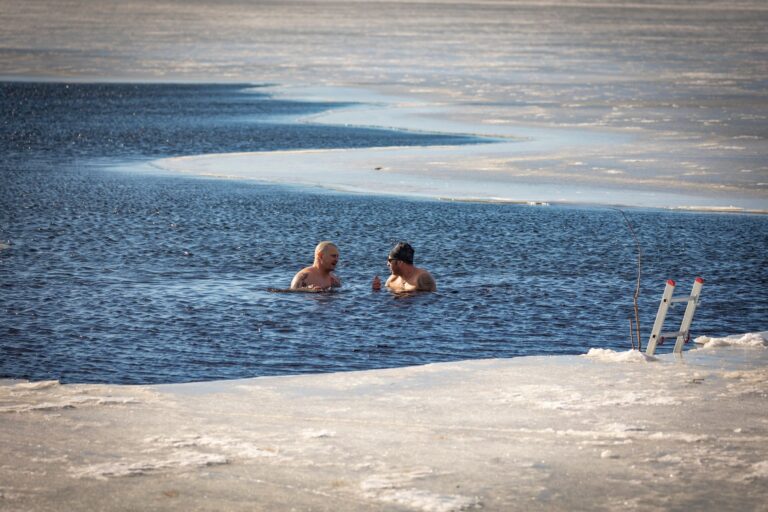
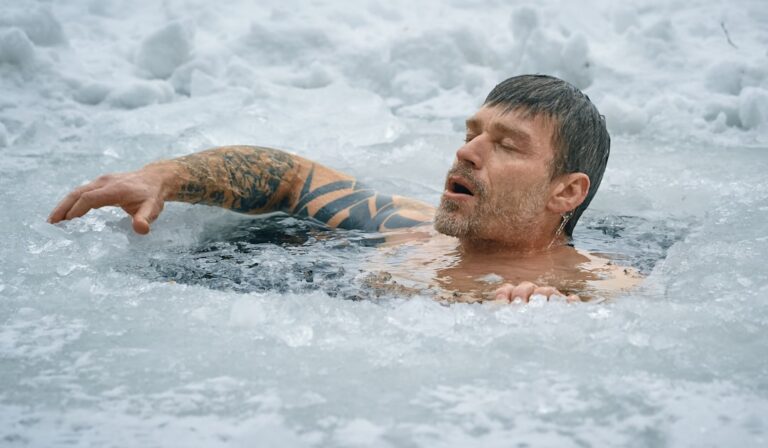
Cold plunge therapy—immersing your body in ice-cold water for short periods—has become a cornerstone of athletic recovery and wellness, especially among martial artists and high-performance athletes. The practice triggers a cascade of physiological responses: reduced inflammation, improved circulation, enhanced mental resilience, and faster muscle recovery. For Brazilian Jiu-Jitsu practitioners and combat athletes, cold plunge therapy addresses a real problem: the accumulated stress and micro-damage from intense training sessions that leave you sore, fatigued, and slower to recover.
At Trein Club in Houston, cold plunge and contrast therapy aren’t afterthoughts—they’re treated as equal partners to your training on the mats. Whether you’re rolling hard in fundamentals class, grinding through a striking session, or pushing yourself in strength and conditioning, strategic cold exposure accelerates your body’s return to balance and readiness. The science is clear, and the results speak for themselves: athletes who prioritize recovery don’t just feel better; they show up more consistently, train with better focus, and evolve faster.
Understanding what cold plunge therapy actually does—and how to use it safely—helps you integrate it into a sustainable training routine that builds strength without breaking down your body.
What Is Cold Plunge Therapy? A Clear Definition
Cold plunge therapy is the practice of submerging the body — usually up to the neck — in cold water, typically between 39°F and 59°F (4°C to 15°C), for a short, controlled window of time. Also called cold water immersion (CWI), it is one of the oldest recovery modalities in human history, used by ancient Greeks, Romans, and Nordic cultures long before it became a fixture in modern athletic training rooms and wellness clubs. Today, cold plunges sit alongside infrared saunas, compression boots, and massage as staples of any serious recovery protocol.
At its core, cold plunge therapy is a deliberate physiological stressor. Exposing the body to a temperature far below its comfort zone triggers a cascade of hormonal, vascular, and neurological responses that — when applied correctly — improve recovery, mood, resilience, and metabolic health. At Trein Club, cold plunge is one of the recovery pillars we treat with the same intention as our training programs: a tool for helping members evolve, not a trendy add-on.
How Cold Plunge Therapy Works: The Science Behind Cold Water Immersion
When cold water meets the skin, blood vessels constrict rapidly (vasoconstriction), shunting blood away from the extremities and toward the vital organs. This spike in peripheral resistance momentarily elevates blood pressure and drives circulation to the heart, lungs, and brain. At the same time, the sympathetic nervous system fires: norepinephrine — a neurotransmitter linked to focus, mood, and pain modulation — can rise by 200% to 500% during a single session. Cortisol, dopamine, and endorphins also shift in ways that produce the well-known post-plunge clarity and calm.
Once you step out of the water, the reverse unfolds. Blood vessels dilate, warm blood rushes back to muscles and skin, and metabolic byproducts — lactate, inflammatory cytokines, cellular debris — are flushed through the lymphatic and circulatory systems more efficiently. This “pump” is a major reason cold immersion accelerates recovery after intense training on the mats, in the gym, or in a striking session.
Ideal Water Temperature and Duration for a Cold Plunge
Research and practical experience converge on a fairly consistent range:
- Temperature: 39°F–55°F (4°C–13°C) is the sweet spot for most therapeutic protocols. Going below 39°F increases risk without meaningfully adding benefit for most people.
- Duration: 2 to 5 minutes per session is enough for the vast majority of adaptations. Elite athletes sometimes extend to 10–15 minutes at warmer temperatures (around 55°F).
- Weekly dose: A landmark analysis suggests roughly 11 minutes per week, spread across 2–4 sessions, is enough to trigger most documented benefits.
More is not better. Excessive time in very cold water compounds risk — hypothermia, arrhythmia, and post-immersion collapse — without improving results.
Proven Health Benefits of Cold Plunge Therapy
The benefits list is long, but the quality of evidence varies. Below are the effects with the strongest support in peer-reviewed literature and clinical practice.
Muscle Recovery and Reduced Inflammation After Exercise
This is the most researched benefit. Cold water immersion after high-intensity or eccentric exercise reduces delayed-onset muscle soreness (DOMS), lowers markers of muscle damage such as creatine kinase, and helps athletes feel fresher within 24–48 hours. For grapplers, strikers, and lifters training multiple times per week, this can be the difference between showing up energized and dragging through practice. One caveat: if your primary goal is maximal muscle hypertrophy, avoid cold plunging in the 4–6 hours immediately after strength training, since it can blunt some adaptive signals.
Mental Health Benefits: Mood, Stress, and Depression Relief
The norepinephrine and dopamine spike triggered by cold immersion produces a measurable antidepressant-like effect. Small clinical studies have shown reductions in symptoms of depression and anxiety with regular cold water exposure. Users consistently report a distinct sense of calm, focus, and emotional resilience for hours afterward — a state many members at Trein Club describe as one of the reasons they keep coming back.
Metabolism Boost and Brown Fat Activation
Cold exposure activates brown adipose tissue (BAT), a metabolically active fat that burns calories to generate heat. Regular exposure increases BAT volume and thermogenic capacity, improving glucose disposal and insulin sensitivity. It’s not a weight-loss shortcut, but it is a legitimate metabolic tune-up when combined with proper training and nutrition.
Improved Circulation and Cardiovascular Adaptation
Repeated vasoconstriction and vasodilation train the vascular system the way resistance training trains muscle. Over time, this can improve endothelial function, blood pressure regulation, and circulatory efficiency. Paired with mobility work and strength training, it rounds out a genuinely resilient body.
Immune System Support: What the Research Shows
A well-known Dutch study found that people who ended their daily shower with 30–90 seconds of cold water took 29% fewer sick days from work. Cold immersion appears to nudge white blood cell activity and cytokine balance in a favorable direction, though the effect is modest and works best alongside sleep, nutrition, and consistent training — not in isolation.
Sleep Quality and Recovery Improvements
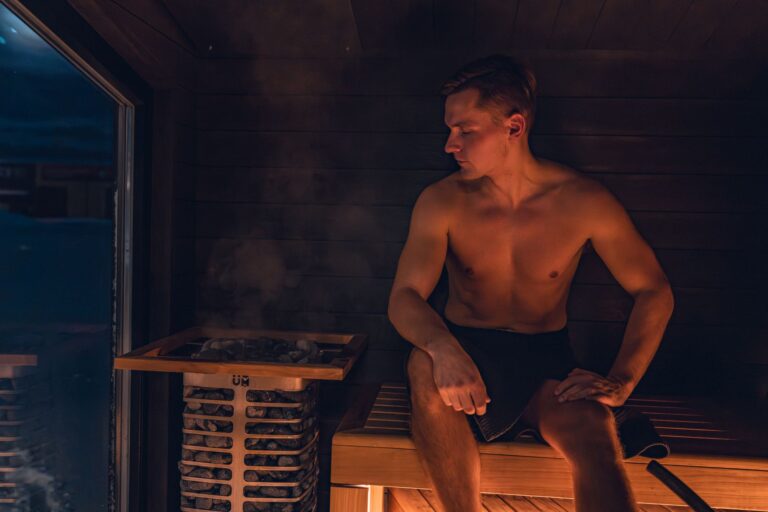
Cold plunges done in the morning or early afternoon tend to improve sleep onset and depth by regulating cortisol rhythm and lowering core body temperature later in the evening. Many members pair cold plunge with our infrared sauna for contrast therapy, which further enhances parasympathetic tone and nightly recovery.
Risks and Dangers of Cold Plunge Therapy
Cold plunge is powerful precisely because it stresses the body. That same stress is what makes it risky when applied carelessly or to the wrong person.
Heart Health Risks: Who Should Be Cautious
The sudden rise in blood pressure and heart rate from cold immersion can be dangerous for people with uncontrolled hypertension, coronary artery disease, arrhythmias, or a history of heart attack. If you have any cardiovascular condition — or a family history of one — get medical clearance before your first session. Never combine cold plunging with alcohol, stimulants, or recreational drugs.
Cold Shock Response, Hypothermia, and Drowning Risk
The first 30–60 seconds in cold water trigger an involuntary gasp reflex and rapid breathing — the “cold shock response.” This is why plunging alone in open water or in a deep tub without supervision has caused drownings. Hypothermia becomes a real risk after 10–15 minutes at very cold temperatures, especially for lean individuals. Stay within recommended times, never plunge alone if you’re new, and get out immediately if you feel dizzy, disoriented, or numb beyond a normal tingle.
Contraindications: Medical Conditions That Make Cold Plunges Dangerous
Avoid or delay cold plunge therapy if you have:
- Uncontrolled high blood pressure or serious cardiovascular disease
- Raynaud’s phenomenon or severe cold urticaria
- Peripheral vascular disease
- Open wounds or active skin infections
- Pregnancy (without OB-GYN clearance)
- Recent surgery or acute injury
- Epilepsy or seizure disorders
How to Do a Cold Plunge Safely: Step-by-Step Guide for Beginners
How to Prepare Your Body Before Getting In
Hydrate the day before and the day of. Skip heavy meals, alcohol, and caffeine spikes right before plunging. A short warm-up — 5 minutes of easy movement, or the tail end of a training session — helps prime your nervous system and makes the entry more manageable. Have a towel, warm layers, and something warm to drink ready before you get in.
Breathing Techniques to Use During a Cold Plunge
Your breath is your control lever. The moment you enter the water, your body will want to hyperventilate. Instead:
- Inhale slowly through the nose for 4 seconds.
- Exhale longer through the mouth for 6–8 seconds.
- Repeat until the initial shock passes — usually within 30–60 seconds.
Long exhales activate the parasympathetic nervous system and shut down the panic response. This is one reason breathwork is embedded into Pedro’s yoga classes at Trein — the same skills that keep you calm on the mat keep you calm in the water.
How Long Should You Stay In? Recommended Time Limits by Experience Level
- First-timer: 30 seconds to 1 minute at 50°F–55°F.
- Weeks 2–4: 1 to 2 minutes, gradually lowering temperature toward 45°F.
- Intermediate (1–3 months in): 2 to 4 minutes at 39°F–45°F.
- Advanced: 3 to 5 minutes; rarely beneficial to exceed this.
Consistency beats duration. Four 2-minute sessions per week outperform one 10-minute session.
What to Do After a Cold Plunge: Warming Up Safely
Let your body rewarm on its own. Towel off, put on dry warm layers, and move gently — a light walk or slow mobility flow. Avoid jumping straight into a hot shower or sauna in the first few minutes, as the abrupt temperature swing can drop blood pressure sharply. If you’re doing contrast therapy, wait until your breathing and shivering fully normalize before entering heat.
Cold Plunge Therapy vs. Other Cold Therapies: Key Differences
Cold Plunge vs. Ice Bath: Are They the Same Thing?
Functionally, yes — both involve full-body cold water immersion. The difference is control. A traditional ice bath is a tub filled with water and bags of ice, resulting in variable, often uneven temperatures. A dedicated cold plunge tub uses a chiller and filtration system to maintain a precise, consistent temperature and clean water session after session. For a serious protocol, a proper plunge system is far more reliable.
Cold Plunge vs. Cryotherapy: Which Is More Effective?
Whole-body cryotherapy exposes you to extremely cold air (−200°F to −280°F) for 2–3 minutes in a chamber. It’s fast and dry, but the cold penetrates less deeply than water. Water conducts heat away from the body roughly 25 times more efficiently than air, so cold plunge produces a deeper, more sustained physiological response. For recovery, most research favors water immersion. Cryotherapy has its place — particularly for those who can’t tolerate wet immersion — but a cold plunge generally does more per minute.
Cold Plunge vs. Cold Shower: Which Should You Start With?
Cold showers are the ideal on-ramp. They deliver a fraction of the intensity but teach you the breathing control and mental composure you’ll need in a full plunge. Start with 30–60 seconds of cold water at the end of your normal shower for a week or two before moving to full immersion. This progression dramatically reduces the shock and improves adherence.
What Does the Scientific Research Actually Say About Cold Plunge Therapy?
Clinical Evidence Supporting Cold Water Immersion Benefits
Meta-analyses in sports medicine journals consistently show cold water immersion reduces DOMS and perceived fatigue after exercise. Studies on mood have documented reductions in depressive symptoms and improvements in stress markers. Research on brown fat activation, insulin sensitivity, and vagal tone (a marker of nervous system balance) is promising and growing. For a deeper look at practical outcomes, see our companion article on the benefits of cold plunge therapy and what cold plunge therapy actually does.
Limitations and Gaps in Current Cold Plunge Research
Most studies are small, short-term, and use varied protocols, making it hard to standardize dose-response. Long-term outcomes for cardiovascular and metabolic health are still being mapped. The muscle hypertrophy blunting effect after resistance training is real but modest and context-dependent. Cold plunge is a tool, not a miracle — treat claims of dramatic fat loss, disease reversal, or hormonal transformation with skepticism.
Who Should Try Cold Plunge Therapy — and Who Should Avoid It
Best Candidates: Athletes, Active Adults, and Mental Health Seekers
Cold plunge is ideal for anyone training hard multiple times per week — Jiu-Jitsu athletes, strikers, lifters, runners, weekend warriors — who need faster recovery between sessions. It’s equally valuable for professionals dealing with chronic stress, high-achievers looking for mental clarity, and anyone building the kind of daily discipline that carries over into every area of life. Combined with consistent training, quality sleep, and mobility work, it becomes a compounding wellness practice.
Groups Who Should Consult a Doctor First
Anyone with cardiovascular disease, uncontrolled blood pressure, pregnancy, seizure disorders, Raynaud’s, or any chronic medical condition should get physician clearance before starting. Older adults new to cold exposure should begin very conservatively — shorter times, warmer temperatures — and always with supervision.
Frequently Asked Questions About Cold Plunge Therapy
What is cold plunge therapy and how does it work?
Cold plunge therapy is short, full-body immersion in water between roughly 39°F and 55°F. It works by triggering vasoconstriction, a surge of norepinephrine and dopamine, and activation of the sympathetic nervous system — followed by a strong parasympathetic rebound. The net effect is reduced inflammation, improved circulation, enhanced mood, and faster recovery from physical training.
How cold does the water need to be for a cold plunge to be effective?
Most benefits appear between 39°F and 55°F (4°C–13°C). Beginners can start at 55°F for shorter durations and gradually work colder over several weeks. Dropping below 39°F increases risk substantially without meaningfully raising benefit for most people.
How long should a beginner stay in a cold plunge?
Start with 30 seconds to 1 minute. Extend to 1–2 minutes over the first two to four weeks. Aim for a weekly total of around 11 minutes across 2–4 sessions. Prioritize steady breathing over toughing out longer times.
Is cold plunge therapy safe for people with heart conditions?
Not without medical clearance. The initial cold shock response causes a sharp rise in heart rate and blood pressure that can be dangerous for people with coronary artery disease, arrhythmias, uncontrolled hypertension, or a history of cardiac events. If you have any cardiovascular history, talk to your cardiologist before your first plunge — and when cleared, start conservatively with a warmer temperature and shorter duration under supervision.