What’s mobility training, and why are martial artists and athletes suddenly making it a cornerstone of their routines? Mobility training is the intentional practice of improving your body’s ability to move freely through its full range of motion—combining flexibility, stability, and control in ways that static stretching alone can’t achieve. For Brazilian Jiu-Jitsu practitioners, grapplers, strikers, and anyone serious about longevity and performance, mobility training isn’t optional; it’s the difference between moving with precision and power versus moving with restriction and injury risk.
At Trein Club in Houston, mobility training sits at the heart of our philosophy. Led by Pedro Araujo, a 4x Jiu-Jitsu World Champion and 500+ hour certified yoga trainer, our mobility-focused classes and recovery services are designed specifically for athletes and martial artists—not as an afterthought, but as an equal pillar alongside your strength and conditioning work. Whether you’re training for competition, building confidence as a beginner, or simply wanting to move better and feel stronger, mobility training unlocks the foundation that makes everything else possible.
The payoff is real: better technique, fewer injuries, faster recovery, and a body that feels as good as it performs.
What Is Mobility Training? A Complete Definition
Mobility training is the practice of improving your body’s ability to move a joint actively through its full range of motion — with control, strength, and stability. It isn’t about being bendy or loose. True mobility means you can reach a position, hold it, and produce force from it. Picture a grappler dropping into a deep squat, a striker throwing a high round kick, or a parent lifting a toddler off the floor without a twinge in the lower back. All of these rely on mobility, not mere flexibility.
At its core, this type of training blends joint articulation, controlled strength work at end ranges, dynamic movement patterns, and breathwork. It sits at the intersection of yoga, physical therapy, and strength and conditioning — which is precisely why it has become a foundational pillar for athletes, martial artists, and everyday people who simply want their bodies to feel good and move well.
Mobility vs. Flexibility: Understanding the Key Difference
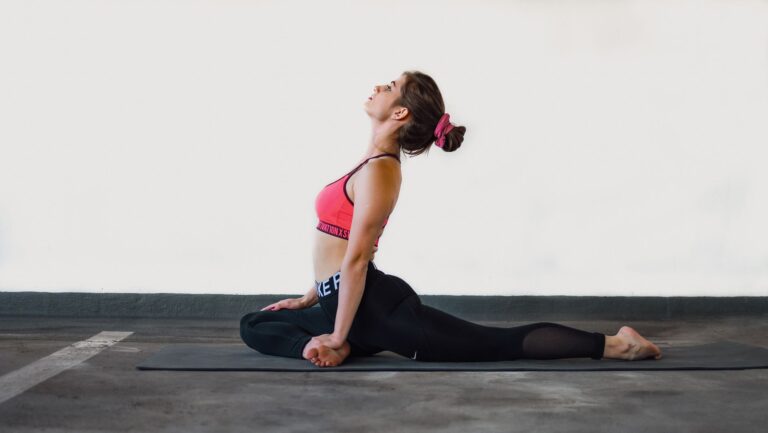
Flexibility describes the passive length of a muscle — how far a joint can be moved by an external force such as gravity, a partner, or a strap. Mobility is active: it’s how far you can move a joint using your own muscles, under your own control. Someone can be extremely flexible (touching their toes, sitting in a full split) yet display poor mobility because they lack the strength to command those ranges on demand.
This distinction matters because injuries rarely occur in comfortable middle ranges. They happen at the edges — when a knee hyperextends, a shoulder gets wrenched, or a hip is pushed beyond what the surrounding muscles can protect. Mobility work bridges that gap by building strength and coordination exactly where flexibility ends.
Mobility vs. Stretching: Why Active Range of Motion Matters
Static stretching — holding a hamstring pull for 30 seconds — has its place, but it doesn’t teach the nervous system to use that range. Mobility work, by contrast, relies on active positions: controlled articular rotations, loaded end-range holds, and dynamic transitions. The payoff is range you actually own, not range that vanishes the moment you stand up. If you want a deeper look at how these principles apply to complementary practices, our guide on stability and mobility training lays out the framework.
Core Components of Mobility Training
A complete mobility practice isn’t a single exercise category — it’s a system built from several distinct components that work together. Skip one and progress stalls.
Joint Mobility: The Foundation of Movement Quality
Every joint has a designed range of motion. Hips are built to flex, extend, rotate, and abduct. Shoulders are the most mobile joint in the body, capable of nearly 360 degrees of movement. Ankles need dorsiflexion to squat properly. When any of these lose range, the body compensates — usually by loading a nearby joint that wasn’t designed to move that way, which is where chronic pain starts. Joint-by-joint work restores the original blueprint.
Dynamic Stretching and Controlled Articular Rotations (CARs)
CARs are slow, deliberate circles performed at the largest possible range of a single joint while the rest of the body stays braced. Done daily, they map every degree of your available range, expose weak points, and gradually expand what your nervous system considers “safe.” Dynamic stretching — leg swings, arm circles, walking lunges with rotation — prepares tissues for training by increasing blood flow and rehearsing patterns you’re about to load.
Strength Within Range of Motion: Why Passive Flexibility Isn’t Enough
This is the piece most people miss. Once you can access a range, you need to be strong in it. Loaded stretches, end-range isometrics, and slow eccentrics turn flexibility into usable mobility. A yogi who can drop into a deep hip opener but collapses when trying to lift the front leg is flexible without being mobile. Add strength, and the position becomes a tool.
Key Benefits of Mobility Training
Improved Athletic Performance and Movement Efficiency
Better mobility means better positions, and better positions produce more force with less effort. A grappler with mobile hips passes guard more efficiently. A striker with open shoulders generates more torque on a punch. A lifter with mobile ankles squats deeper without lower-back rounding. Efficiency compounds — small gains in range translate into bigger gains in output across every session.
Injury Prevention and Joint Health
Restricted joints force the body to steal movement from elsewhere. Tight hips lead to a strained lower back. A stiff thoracic spine produces cranky shoulders. Locked ankles create knee pain. By restoring range where it belongs, mobility work removes the compensation patterns that quietly grind tissues down over years.
Pain Relief: How Mobility Training Helps Arthritis and Chronic Stiffness
Cartilage is nourished by movement — synovial fluid only circulates when joints are used through their range. Gentle, consistent mobility work lubricates joints, reduces inflammatory stiffness, and keeps arthritic joints functional far longer than rest ever could. Many people who felt “old” at 45 discover most of that feeling was accumulated stiffness, not age.
Mobility Training for Older Adults: Maintaining Independence and Function
Falls, hip fractures, and loss of independence usually trace back to declining ankle stability, hip strength, and thoracic rotation. Mobility work in the fifties, sixties, and seventies isn’t about performance — it’s about staying self-sufficient. Being able to get off the floor, reach a top shelf, or turn to check a blind spot while driving are all mobility outcomes.
Best Mobility Exercises to Get Started
Hip Mobility Exercises: 90/90 Stretch, Hip Circles, and Deep Squats
The 90/90 position — front leg bent 90 degrees in front, back leg bent 90 degrees to the side — is the gold standard for exposing hip rotation limitations. Add active lifts of the front knee and torso rotations to load the range. Hip CARs (large slow circles of the femur in the socket) map your available motion. Deep bodyweight squats, held for 60 to 120 seconds, restore the resting position humans are built for.
Shoulder Mobility Exercises: Arm Circles, Wall Slides, and Thoracic Rotation
Slow, full-range arm circles with a light band expose sticky points around the shoulder blade. Wall slides — back against the wall, arms tracing a “W” to a “Y” — retrain scapular rhythm. Thoracic rotations from a quadruped position unlock the mid-back, which is where most “shoulder” problems actually live.
Ankle and Knee Mobility Drills for Better Stability
Kneeling ankle rocks (front foot flat, driving the knee forward over the toes without lifting the heel) build the dorsiflexion that every squat, lunge, and sprint depends on. Tibial rotations and slow, controlled knee circles restore the small joint articulations that stiff shoes and sedentary days erase.
Spinal Mobility Exercises: Cat-Cow, Thread the Needle, and Thoracic Extensions
Cat-cow segments the spine vertebra by vertebra, restoring flexion and extension. Thread the needle rotates the thoracic spine while the shoulders stay grounded. Thoracic extensions over a foam roller undo the hours of hunching that modern life imposes on the upper back. These three, done daily, protect the spine better than almost any other intervention.
How to Structure a Mobility Training Routine
How Often Should You Do Mobility Training? (Frequency Guidelines)
Mobility responds to frequency more than volume. Ten focused minutes daily beats a single 90-minute session once a week. For most people, five to seven short sessions weekly is the sweet spot — some can be five minutes, others twenty. For a deeper breakdown by goal and lifestyle, see our full guide on how often you should do mobility training.
Should You Do Mobility Work Before or After a Workout?
Both, but for different purposes. Before training, use dynamic mobility to prepare joints and rehearse patterns — CARs, leg swings, hip openers. After training, use longer holds and loaded stretches to consolidate range while tissues are warm. For the full timing framework, our post on when to do mobility training covers pre-workout, post-workout, and standalone sessions in detail.
How Long Does a Mobility Session Need to Be?
Standalone sessions of 20 to 45 minutes work well two to three times per week. Daily “greasing the groove” sessions of 5 to 15 minutes handle the maintenance. Attached to strength or BJJ sessions, 8 to 12 minutes of targeted work before and 5 to 10 minutes after is usually plenty.
Combining Mobility Training with Strength and Cardio Programs
Mobility isn’t a competitor to strength or conditioning — it’s the substrate that makes both better. Squat mobility improves squat strength. Shoulder mobility improves pressing. Hip mobility improves running economy. A well-programmed week integrates all three. Our breakdown of how often strength and mobility training should be conducted shows how to weave them together without overloading recovery.
Who Needs Mobility Training? (And Who Benefits Most)
Beginners and Sedentary Individuals: Where to Start
If you spend most of the day at a desk, your hips, thoracic spine, and shoulders have adapted to sitting. Mobility work is often the fastest way to feel dramatically better in your body. Start with 10 minutes daily, focused on hips, mid-back, and ankles. Results usually appear within two to three weeks.
Athletes and Active People: Taking Performance to the Next Level
For jiu-jitsu practitioners, strikers, lifters, and runners, mobility is the ceiling on performance. You cannot express strength or skill through a range you don’t own. That’s why at Trein Club, our yoga program — led by Pedro Araujo, a 4x Jiu-Jitsu World Champion and 500+ hour certified yoga trainer — is designed specifically around Vinyasa flow, mobility work for athletes, and breathwork.
Older Adults: Mobility Training as Preventive Healthcare
After 50, the returns on mobility training compound faster than almost any other form of exercise. It preserves bone density through weight-bearing positions, maintains balance, and keeps daily tasks — driving, gardening, playing with grandchildren — pain-free. Treating mobility as preventive medicine is one of the highest-ROI decisions anyone can make in the second half of life.
Common Mobility Training Mistakes to Avoid
Confusing Passive Stretching with True Mobility Work
Hanging in a stretch while scrolling your phone builds tolerance to discomfort, not usable range. If a drill doesn’t require active muscular engagement, it’s flexibility work — useful, but not the same thing. Our guide to what mobility training exercise actually looks like shows the difference in practice.
Skipping Warm-Up Before Mobility Drills
Cold tissues resist change. Two to three minutes of light cardio — jumping jacks, jogging in place, easy cycling — raises tissue temperature and dramatically improves the quality of every subsequent drill. Skip this and you’re grinding against stiff tissues for no reason.
Neglecting Specific Problem Areas and Muscle Imbalances
Most people default to what already feels good and avoid what doesn’t. If your left hip is noticeably tighter than your right, both need attention — but the left needs more. Symmetry is protective; asymmetry is where injuries breed. Film yourself, ask a coach, and be honest about your weak links.
Frequently Asked Questions About Mobility Training
What is mobility training in simple terms?
Mobility training is exercise that improves your ability to move your joints actively, with strength and control, through their full designed range of motion. It combines elements of flexibility, strength, and joint articulation.
Is mobility training the same as stretching?
No. Stretching is usually passive and focuses on muscle length. Mobility training is active, includes strength within range, and trains the nervous system to control the positions you can access.
How long does it take to see results from mobility training?
Most people notice reduced stiffness within two weeks of daily practice, meaningful range gains within four to six weeks, and durable functional improvements — better squats, less back pain, easier overhead reach — within three months.
Can mobility training help with back pain?
Very often, yes. Most non-acute back pain is a symptom of restricted hips and a stiff thoracic spine forcing the lower back to overwork. Restoring mobility above and below usually calms the lumbar region significantly. Persistent or radiating pain should still be evaluated by a professional.
Should beginners do mobility training every day?
Short daily sessions of 5 to 15 minutes are ideal for beginners because they build the habit and the nervous system adapts to frequent input. Longer, more intense sessions two to three times weekly are equally valid — pick the schedule you’ll actually follow.
What is the difference between mobility training and physical therapy?
Physical therapy is a clinical intervention for diagnosed injuries or dysfunctions, prescribed by a licensed practitioner. Mobility training is a general fitness practice for healthy people who want to move better. The two overlap in tools but differ in scope and intent.
Does mobility training help with arthritis?
Yes. Gentle, consistent mobility work lubricates joints, maintains functional range, and reduces stiffness-related pain. It’s one of the most recommended non-pharmaceutical interventions for managing arthritic joints, though the specific program should be adapted to the individual’s condition.